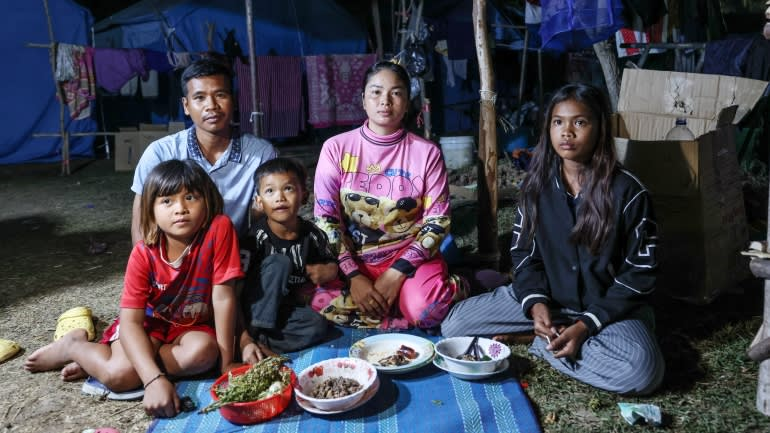
Cambodia’s emergency debt relief for borrowers displaced by the border conflict with Thailand expired on March 31. As of the same month, 36,320 Cambodians remained displaced, according to the Interior Ministry.
The relief was the second round. The first expired in October.
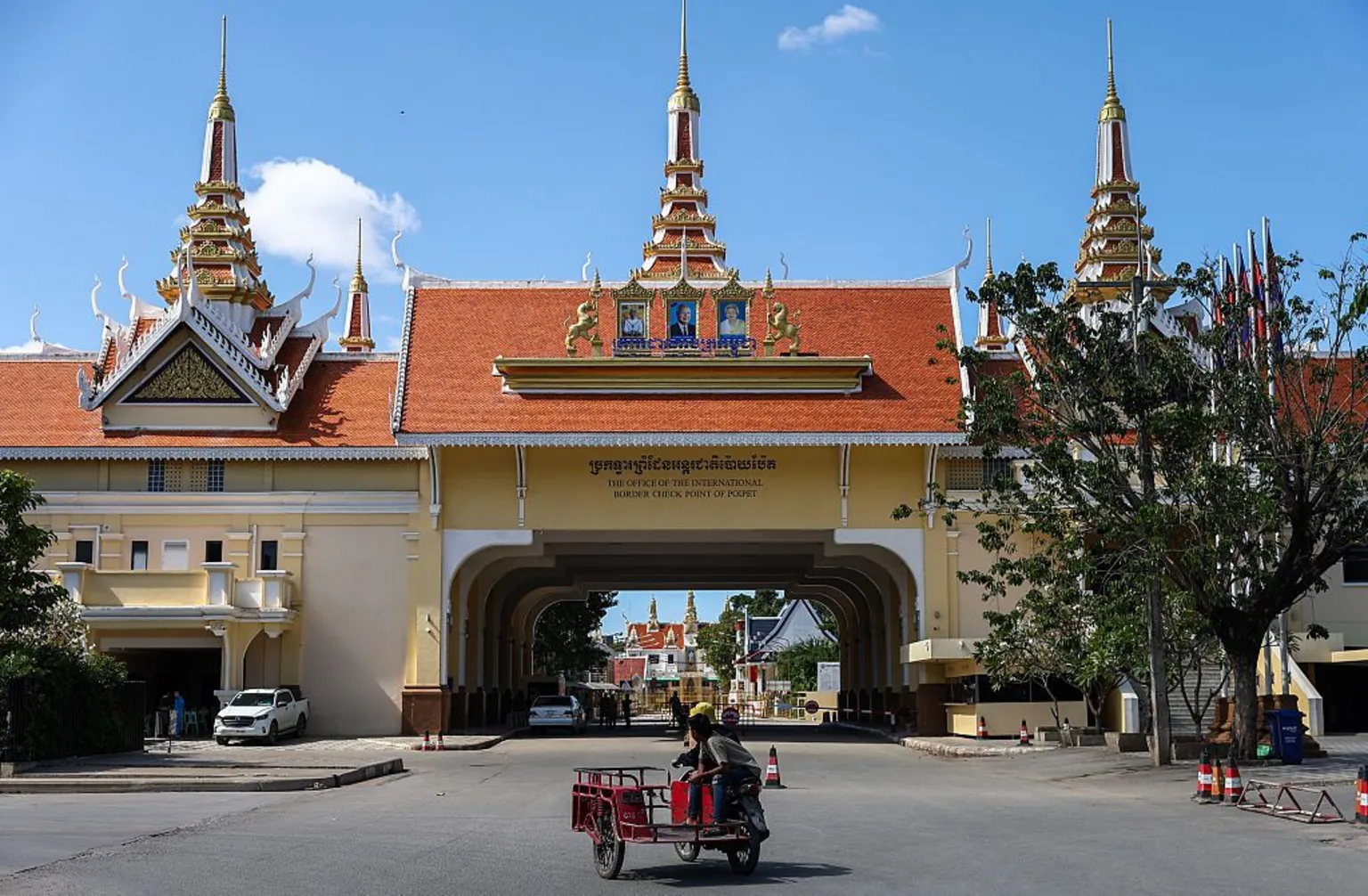
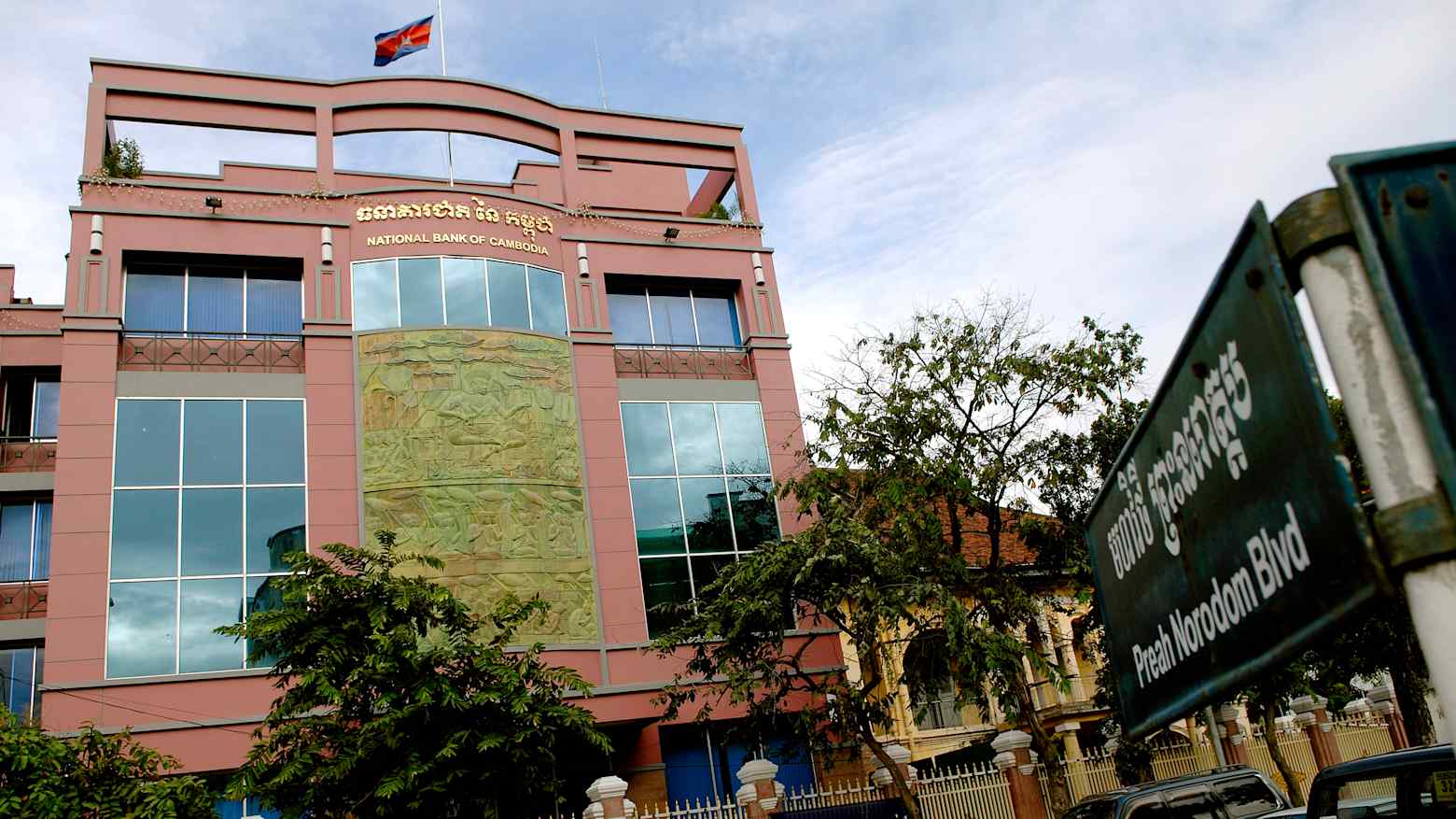
The National Bank of Cambodia issued two emergency directives to banks and microfinance institutions during 2025, instructing them to waive fees and interest and defer principal payments for conflict-affected borrowers. The directives responded to two separate rounds of fighting: the July clashes and the December escalation. Both carried end dates. Thailand’s military presence in Cambodian border villages, which Nikkei Asia described as an occupation that began during the December fighting, does not.
Microfinance institutions recorded a non-performing loan ratio of 10% by end-2025, according to AMRO’s annual consultation on Cambodia, up from 7.4% a year earlier. The banking sector stood at 7.8%. Microfinance borrowers account for roughly 85% of all borrowers in Cambodia’s financial system, according to the Cambodia Microfinance Association.
The first NBC directive, issued July 30, 2025, followed an appeal by Prime Minister Hun Manet. Banks and MFIs were told to waive fees, penalties, and interest and defer principal for displaced civilians until October 31, for frontline soldiers until January 31, 2026. Seventy-nine institutions responded.
When that relief ended, borrowers resumed payments. Kam Moeun, 63, a formerly displaced resident of Preah Vihear province, told CamboJA in November that she began selling rice at discounted prices to stay current on $8,500 in loans across two microfinance banks. CMA spokesman Kaing Tongngy told CamboJA at the time that since “almost all displacement camps have been disbanded, we see no reason to continue suspending loan principal and interest.”
Weeks later, fighting resumed.
On December 10, the NBC issued Instruction No. Th37-025-027, extending relief for displaced borrowers to March 31, 2026, and for soldiers to May 31. By January 2, applications had surged to the point that the NBC publicly requested displaced civilians to allow soldiers’ cases to be processed first.
Between mid-2025 and end-2025, CMA member institutions waived $10.6 million in interest for displaced households and wrote off $1 million in principal and interest for soldiers, injured service members, and families of the fallen, according to a CMA statement published by the Agence Kampuchea Presse on January 16.
The March 31 expiry passed. The NBC has no plans to extend displaced relief, Tongngy told Nikkei Asia in April. Borrowers can request individual loan restructuring.
Thailand issued its own financial relief through a different institutional channel. On July 29, 2025, the Thai Finance Ministry directed state-owned banks to implement emergency measures for affected populations in seven border provinces: principal payment holidays through Government Savings Bank, emergency loans up to 50,000 baht through BAAC, interest rates as low as 0.01% through Government Housing Bank. The Thai cabinet later approved a 2.33 billion baht compensation package for 467,128 Thai households.
Thailand funded relief from its national budget, channeled through state-owned banks, for Thai citizens. Cambodia instructed its private financial sector to absorb the cost through regulatory directive, for Cambodian citizens. The state whose military action generated the displacement compensated its own population with public funds. The state whose population was displaced directed the cost to its private lenders. Neither architecture addressed the Cambodian borrowers whose income loss originated in Thai border closures and the repatriation of nearly one million Cambodian migrant workers.
Cambodia holds the highest per-capita microfinance debt in the world. In 2024, 3.8 million households held over 3 million microloans totaling $18 billion, according to Human Rights Watch. The average outstanding loan per borrower stood at approximately $6,500 as of December 2025, roughly 4.6 times annual median income, according to Credit Bureau Cambodia figures cited by AMRO. An NBC-UN multi-stakeholder consultation on microfinance reform, launched in November 2023, had adopted 22 priority actions in mid-2024, months before the border conflict began.
Woori Bank reported an NPL ratio of 10.5%. LOLC Cambodia reported 12.3%. The NBC approved a framework in March for Asset Management Institutions to purchase distressed loans. No AMI has yet been established.
Nikkei Asia reported that a soldier posted on social media in January that a loan officer pressed him to repay during the grace period. CMA acknowledged the incident. Separately, the family of a fallen soldier had his $30,000 microfinance debt waived, Nikkei reported, but loan sharks from whom he had borrowed to repay the formal loan continued to collect from his mother.
Sophal Ear, an associate professor at Arizona State University’s Thunderbird School of Global Management, told Nikkei Asia that most financial strain is “localized rather than systemic,” concentrated among families directly displaced or who lost cross-border income. The 10% MFI NPL, however, is a sector-wide figure. It is not limited to border provinces.
AMK Bank told Nikkei Asia it had identified 17,089 customers as conflict-affected and eligible for relief. AMK is one of 89 licensed microfinance institutions operating in Cambodia.
This analysis draws on reporting by Danielle Keeton-Olsen and Vantha Phoung in Nikkei Asia (April 10, 2026) and CamboJA (November 29, 2025), institutional data from AMRO, and primary NBC directives reported by Khmer Times.