
Category: World
-
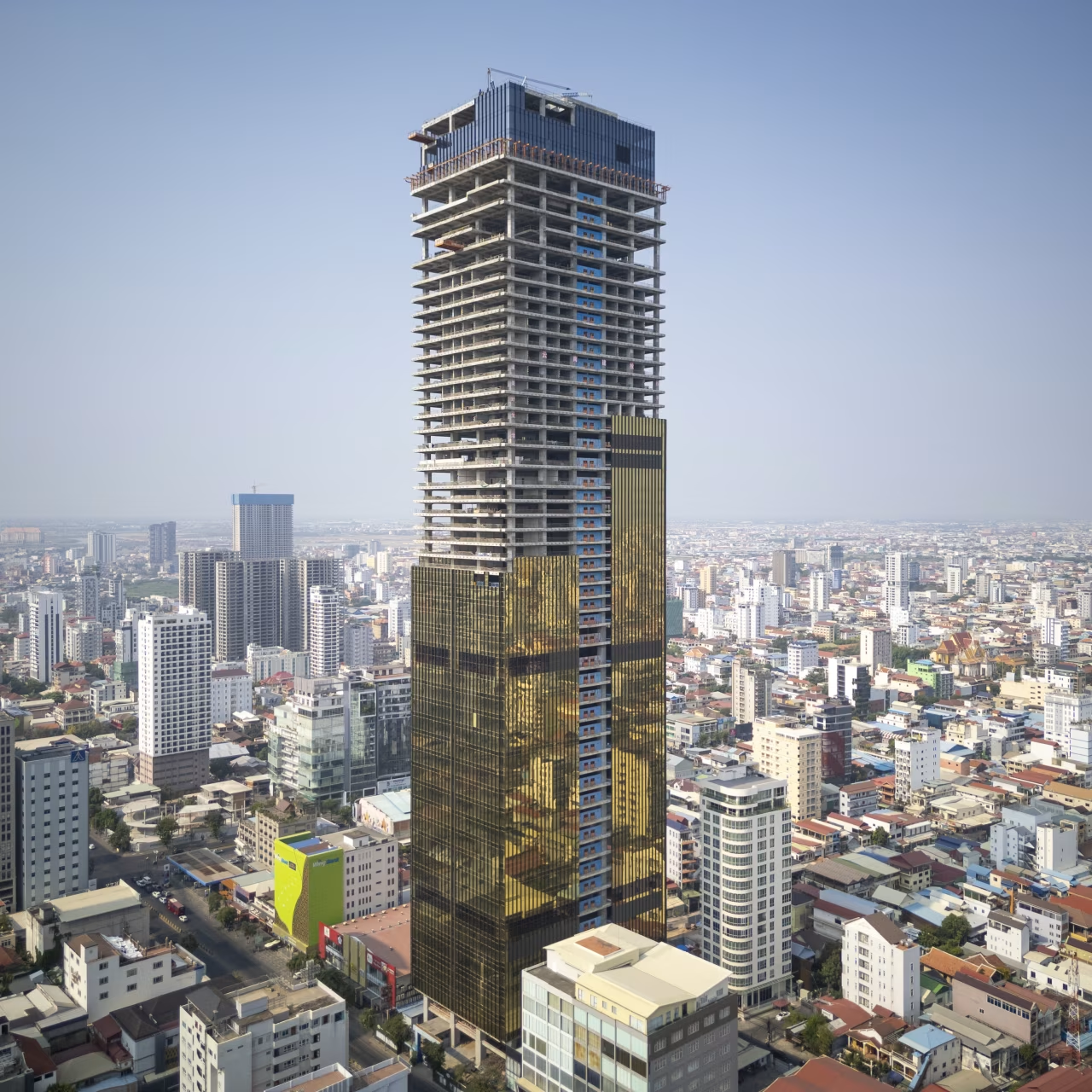
Four Constructions Inside One Headline: Reading the Scambodia Piece at Primary Level
The portmanteau has Thai-discourse origin. The nineteen-billion-dollar anchor shifts by denominator. The regional system names Thailand inside it.
-
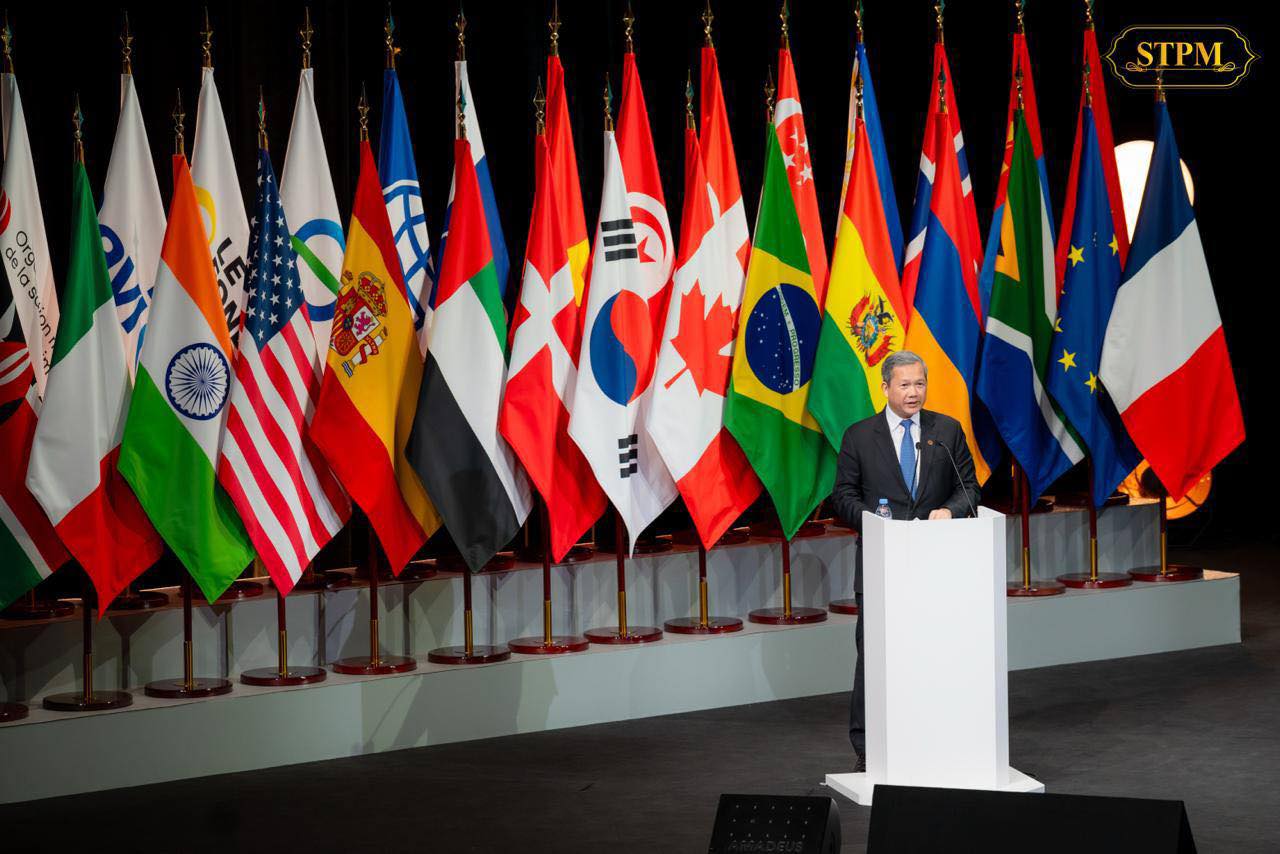
France Confirms Archive Access for Cambodia in Border Dispute, Locks In State Visit
Cambodia converted a French diplomatic gesture into a confirmed evidentiary commitment on the Thai border, backed by France’s own foreign ministry and locked to a Macron state visit in November.
-
Israel’s Gas-Price Guilt Trip: Is Bangkok Just a Side-Show in a Foreign War?
The Israeli mission’s strategic redirection of Thai fuel-price outrage targets the state’s foundational Status Fragility, attempting to refatigate a Civilizational Hierarchy that subordinates Thai sovereign protection to Israeli agricultural necessity.
-
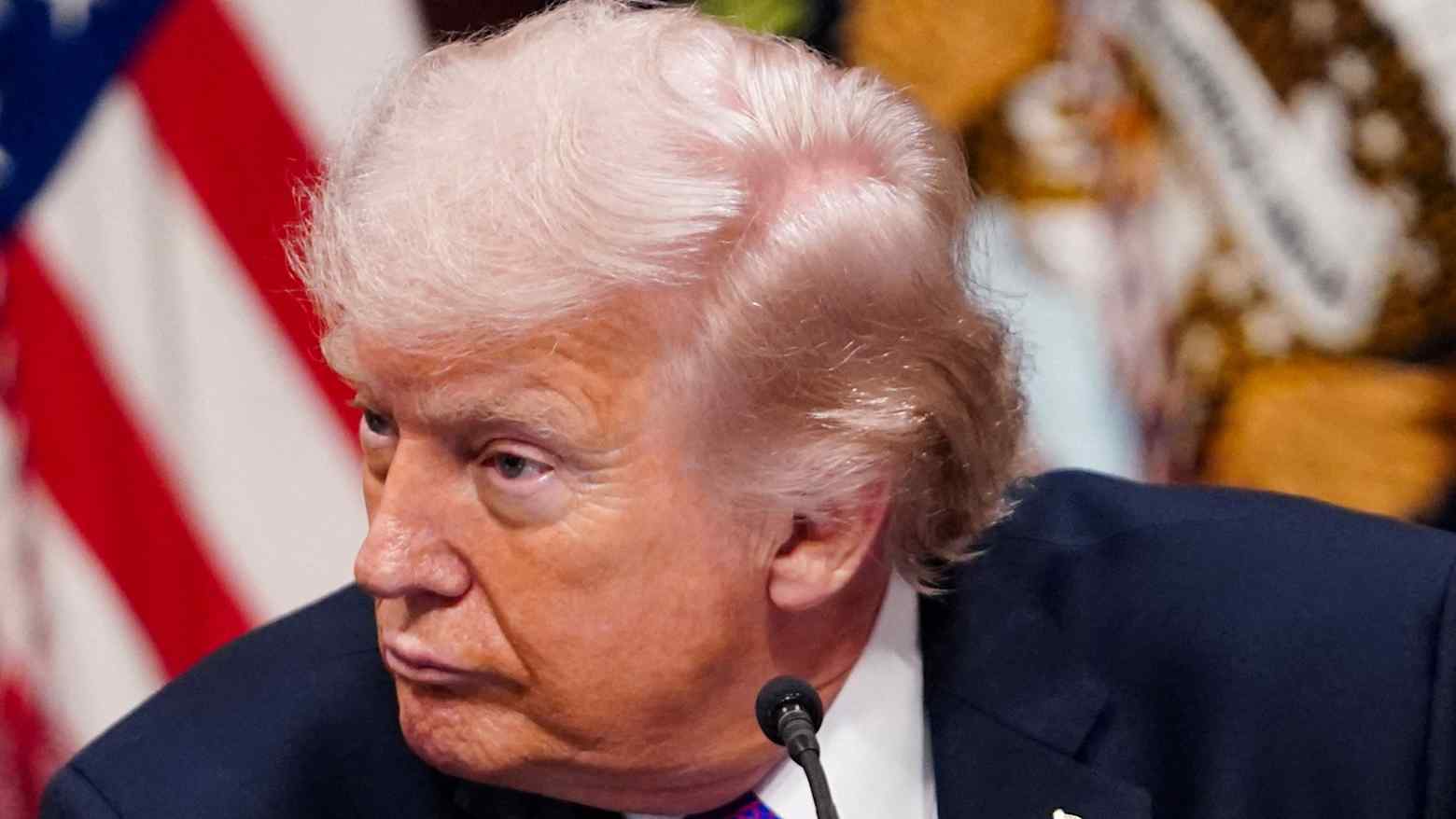
Trump Signals Possible Endgame in Iran War as Oil Prices Swing and Markets Seek Stability
U.S. weighs sanctions flexibility and naval protection for Hormuz shipping while markets react to war signals and supply uncertainty.
-
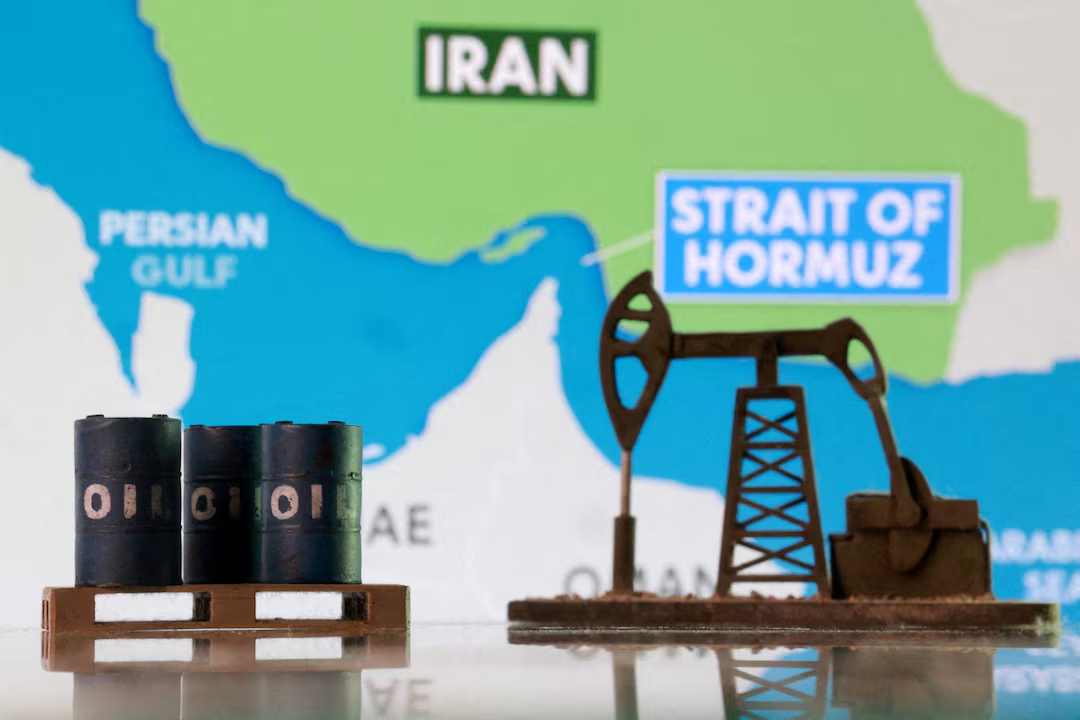
G7 weighs emergency oil reserve release after war-driven crude surge
G7 finance ministers were set to discuss a possible co-ordinated release of emergency oil reserves with the IEA after war-driven supply fears pushed crude to its highest levels since mid-2022, raising fresh concerns over inflation, energy security and global growth.
-

Asia Stocks Slide as Energy Shock Fears Mount Amid Middle East Conflict
Asian stocks tumbled as investors priced in the risk that Middle East conflict could disrupt oil flows and prolong global inflation pressures.
-
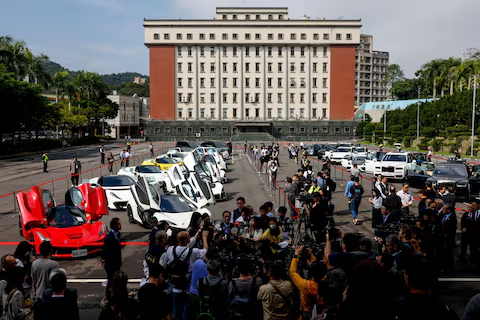
Taiwan indicts 62 in alleged Prince Group laundering case as regional pressure tightens on Cambodia-linked scam finance
Taiwan has moved to dismantle alleged Prince Group-linked laundering at the asset layer: cars, property, and cash turning a regional scam narrative into a financial-system enforcement event.
-
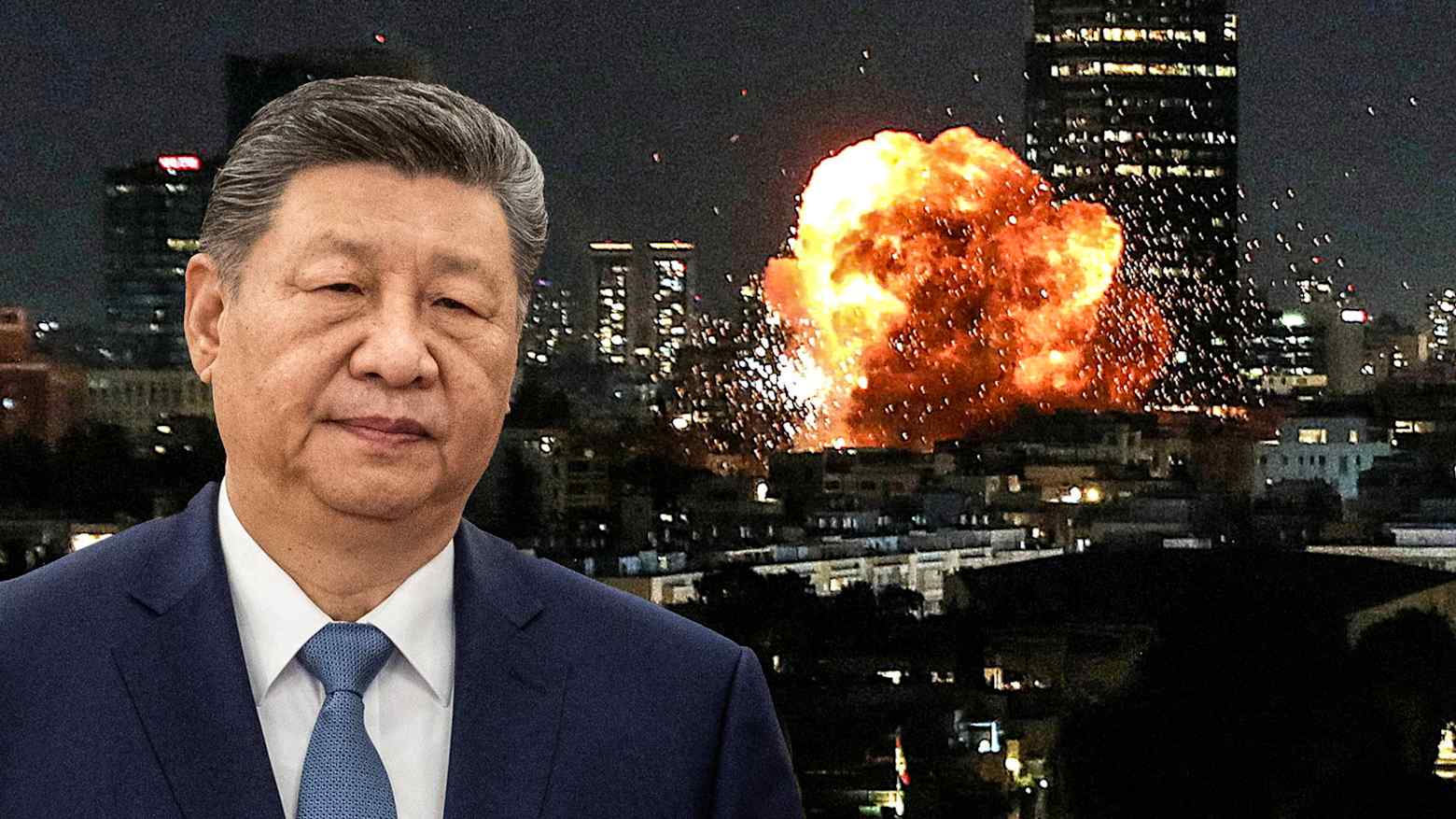
Iran war forces Beijing into high-stakes calculus on Trump summit, oil shock and Taiwan signaling
China condemned the killing of Iran’s supreme leader as oil and shipping risks surge ahead of Trump’s planned Beijing visit.
-
Regional war risk rises as Iran expands retaliation and Gulf energy infrastructure comes under fire
U.S.–Israeli strikes that killed Iran’s Supreme Leader Ayatollah Ali Khamenei have triggered retaliatory missile and drone attacks across the region, widening the conflict beyond its initial theatre, according to international reporting. Gulf airspace incidents, an LNG production halt in Qatar, and surging tanker rates amid threats to close the Strait of Hormuz underscore rising risks…
-
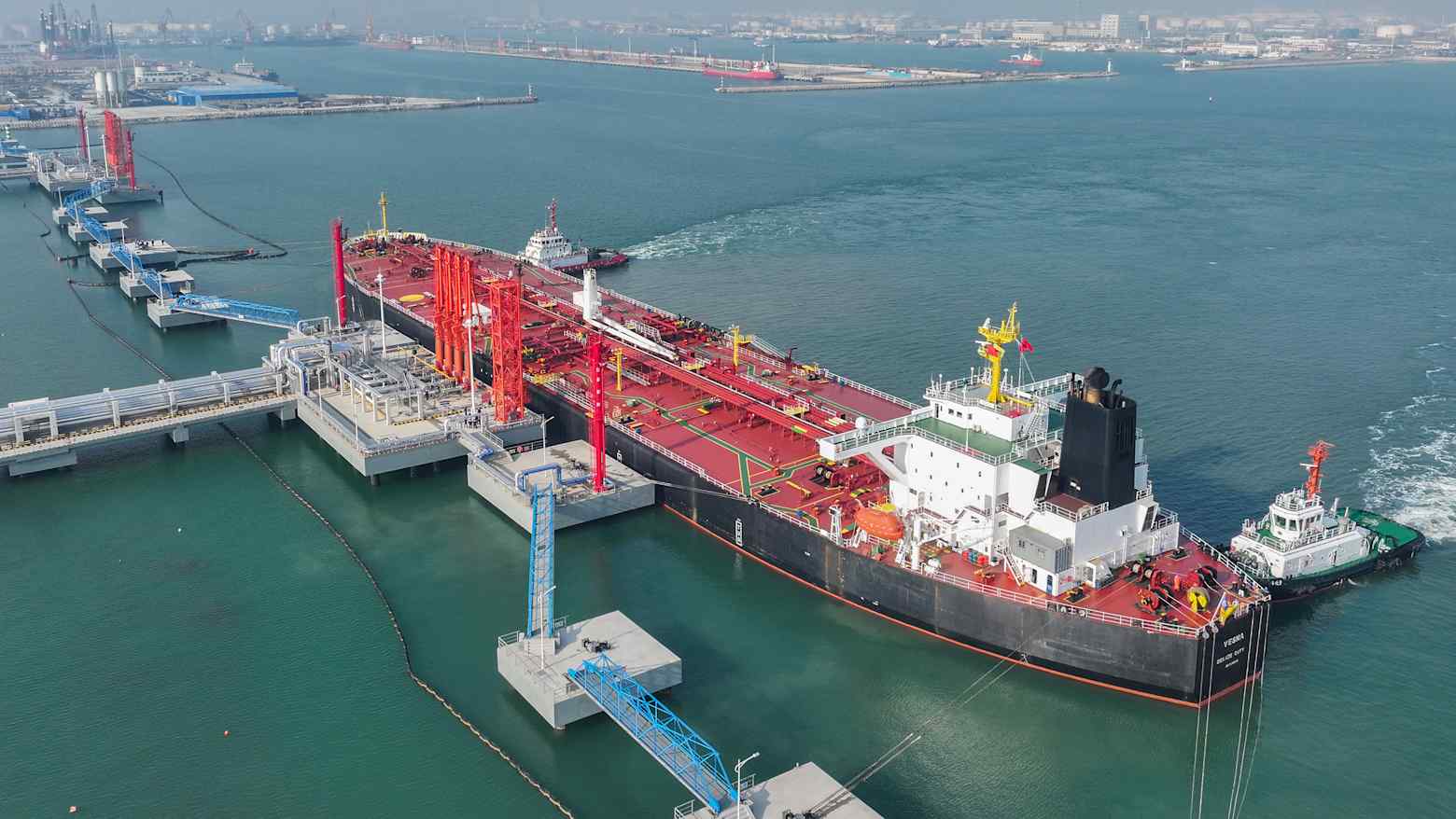
Asian governments cite stockpiles as Hormuz threat lifts oil toward $80
Asian governments are trying to calm markets by pointing to strategic oil and gas buffers as Iran’s Revolutionary Guards declare the Strait of Hormuz “closed” and threaten to attack transiting ships. The immediate risk is less a sudden regionwide fuel blackout than a fast-spreading price-and-insurance shock that can turn into physical shortages if disruption persists.
-
Energy Shock Ripples Across Alliances as Hormuz Disruption Tests Market Assumptions
A near-halt in tanker traffic through the Strait of Hormuz and the shutdown of Qatar’s Ras Laffan LNG complex have exposed a structural fault line in global energy markets. If the disruption lasts weeks rather than days, the shock will migrate from trading floors to treasuries, testing alliance cohesion through price and supply stress.
-
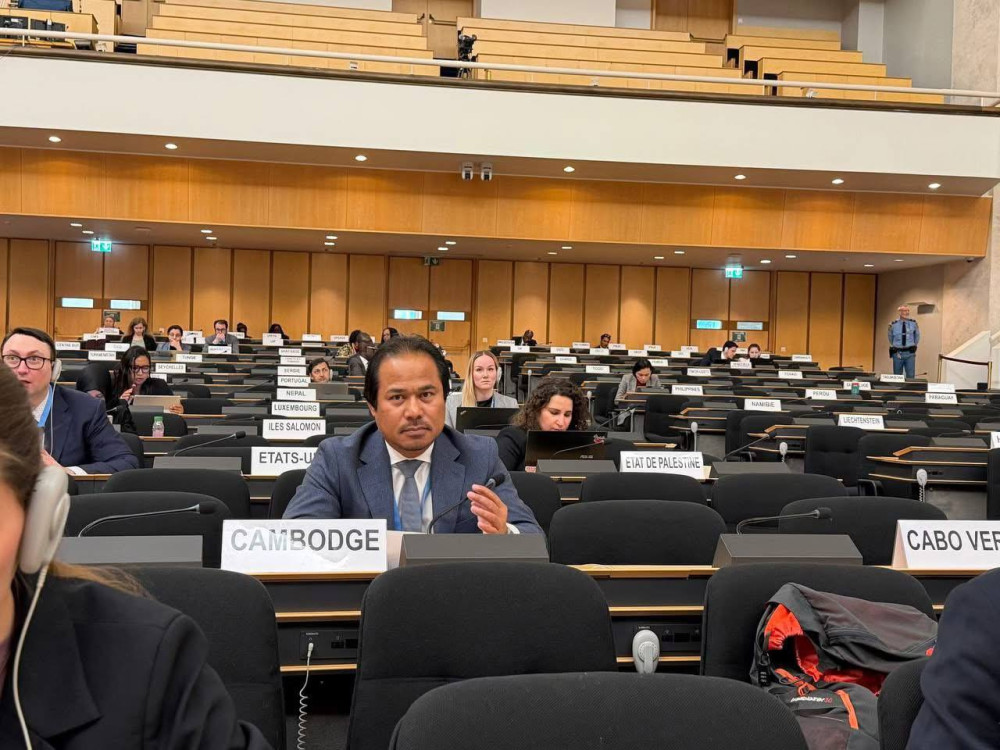
Cambodia urges UN rights council to uphold law over force amid border dispute with Thailand
Cambodia told the U.N. Human Rights Council that “law must prevail over force” as it accused Thai forces of sustained border operations and obstructing civilian returns, allegations Thailand denies.
-
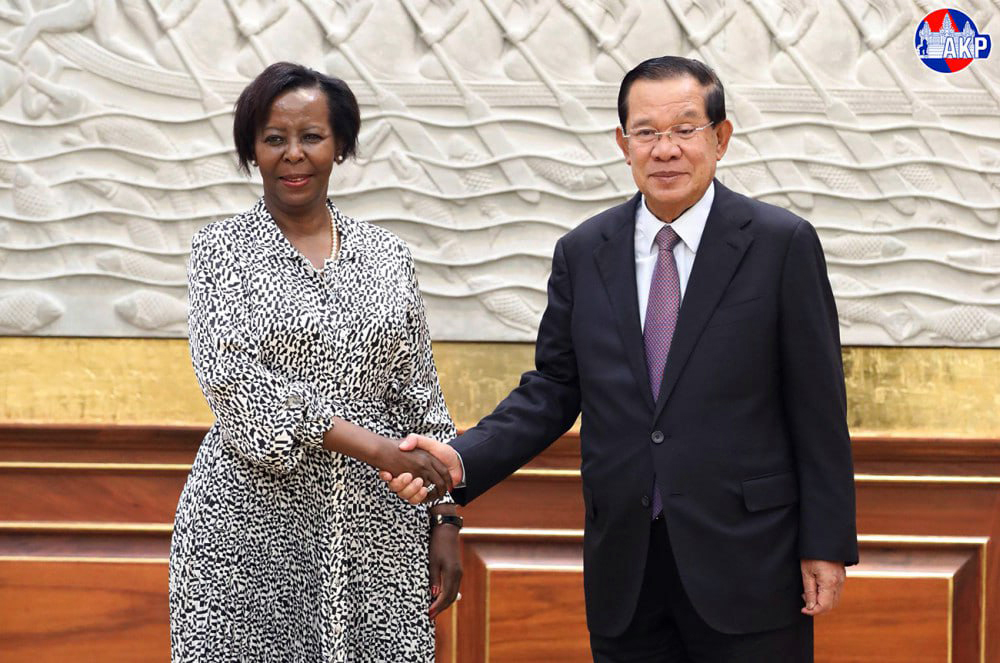
OIF’s Mushikiwabo to visit border-displaced Cambodians after meeting Hun Sen, Senate says
OIF Secretary-General Louise Mushikiwabo plans to visit displacement sites along the Cambodia–Thailand border, Cambodian officials said after her meeting with acting head of state Hun Sen in Phnom Penh.
-
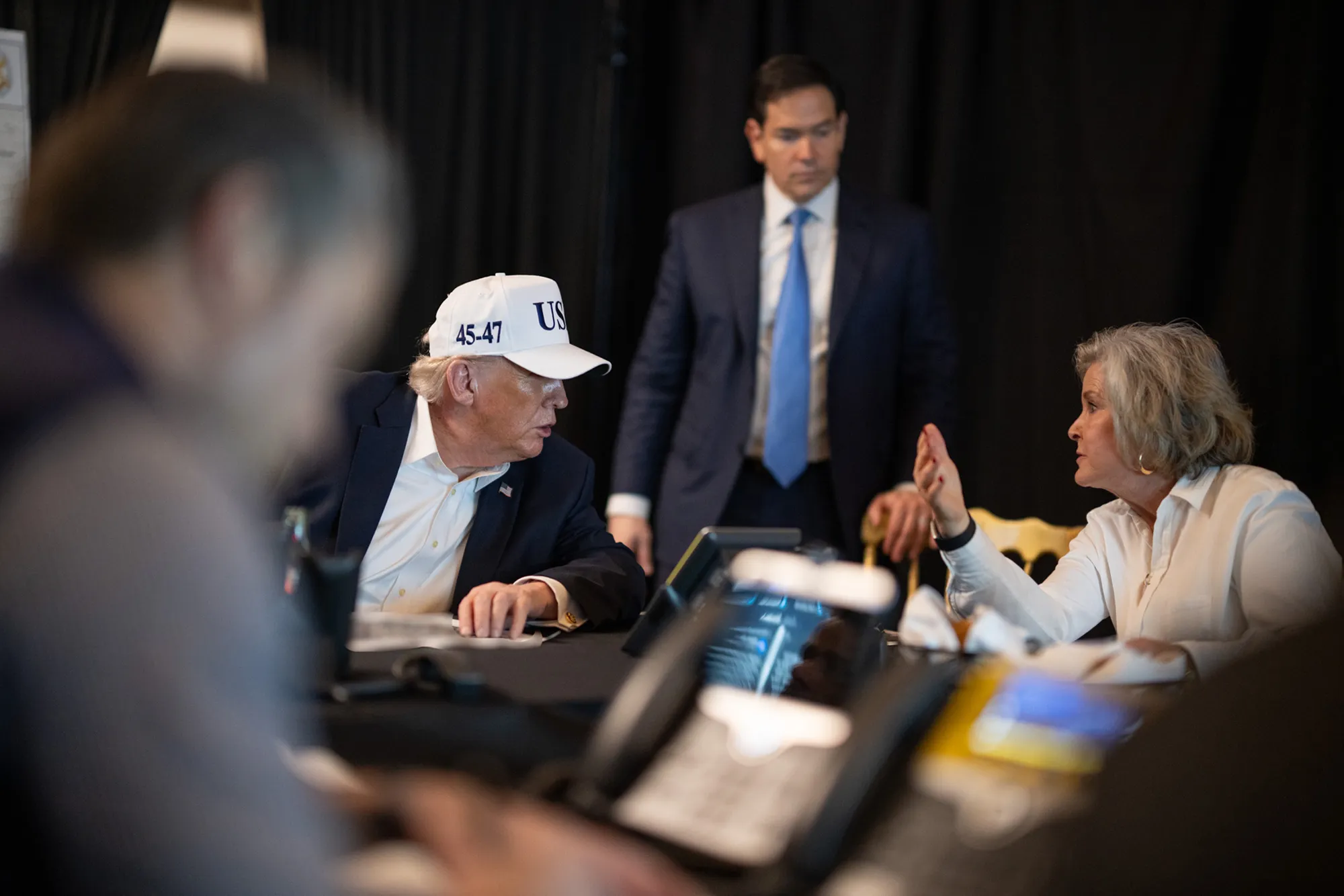
US–Israel Strikes Kill Iran’s Supreme Leader; Retaliation Hits Gulf as Oil Jumps and Shipping Slows
U.S.–Israeli strikes that Washington said killed Iran’s Supreme Leader Ayatollah Ali Khamenei have sparked Iranian retaliation across the Gulf and disrupted shipping near the Strait of Hormuz, lifting oil prices. Three U.S. service members were killed, officials said, as airlines halted flights and tankers anchored amid escalating tensions.
-
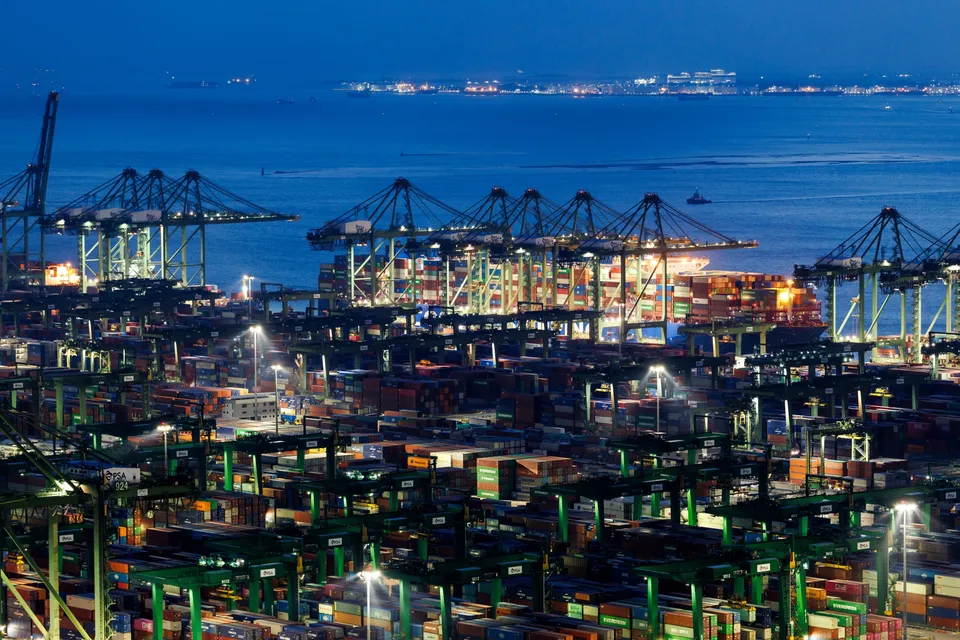
Southeast Asia weighs whether to reopen Trump-era tariff deals after US court setback
A US Supreme Court ruling curbing President Donald Trump’s emergency tariff authority has forced Southeast Asian governments to reassess trade deals struck under threat of sweeping duties. While Washington has shifted to a temporary global tariff and slower investigations, regional leaders now face a strategic choice: reopen concessions made under pressure or maintain existing arrangements…