
Category: Business & Economy
-
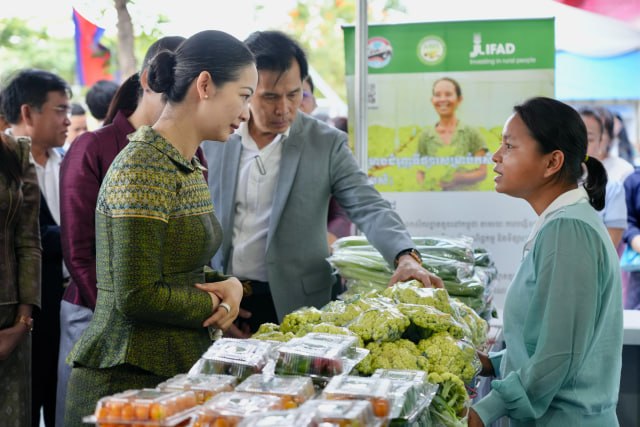
Cambodia’s Ministry of Commerce Is Directing the IFAD Program. That Distinction Matters Before 2029.
IFAD approved its first loan to Cambodia in 1996. The country was five years out from the Paris Peace Accords, rebuilding institutions that had been systematically destroyed, running a rural economy that had barely cleared subsistence. The loan was a food-security instrument for a country that needed one. Thirty years later, the Ministry of Commerce…
-
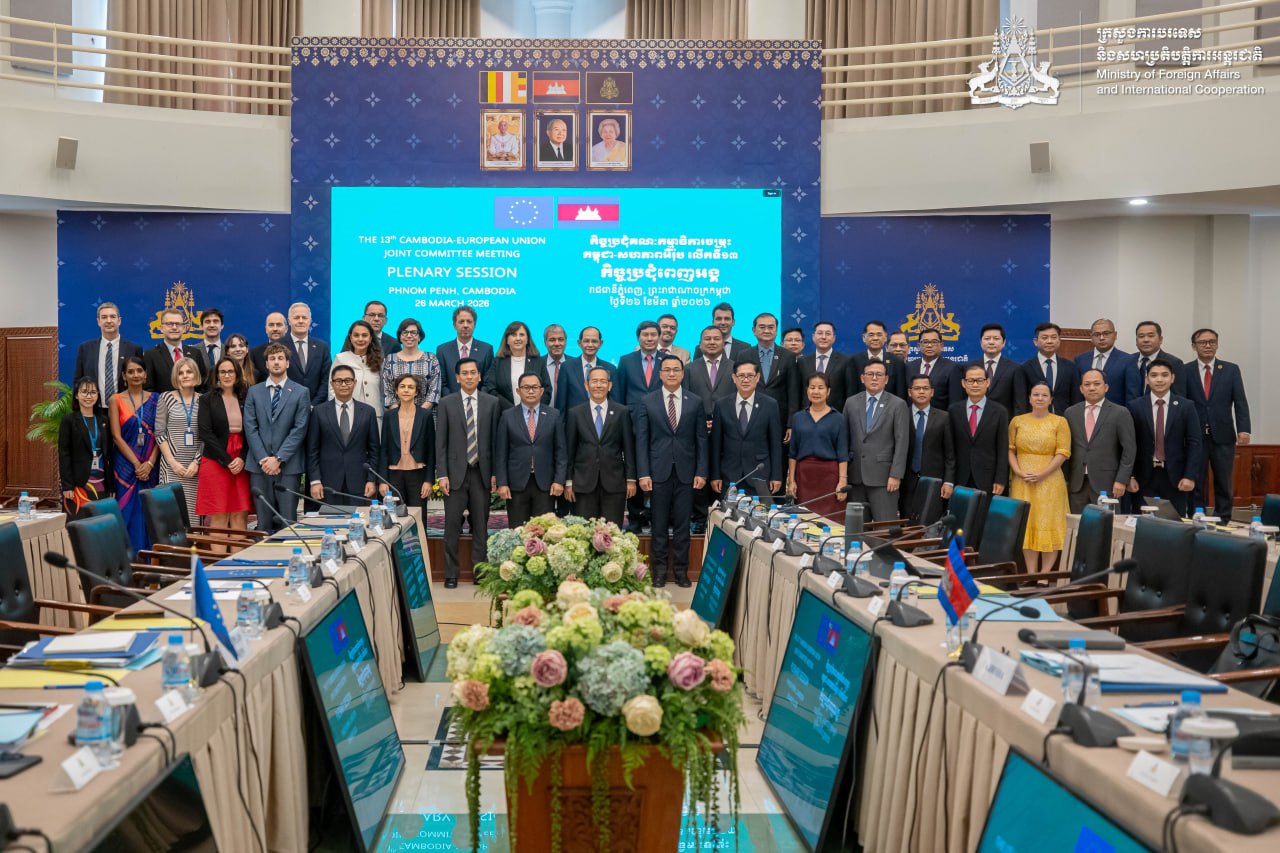
EU and Cambodia confirm €7.2 billion in trade at first bilateral meeting since the ceasefire
The 13th Joint Committee placed EBA preferences, human rights, and the border conflict on separate tracks. The EU’s partial withdrawal of Cambodia’s EBA access, in effect since 2020, was not modified.
-
Thailand’s Petrochemical Shutdown Exposes Hidden Strain in Manufacturing Supply Chains
Officials and major manufacturers maintain a posture of stability after the Rayong olefins shutdown, but delivery delays, inventory warnings and supplier order refusals reveal early stress spreading through Thailand’s industrial system.
-

Cambodia, World Bank discuss investment facilitation and logistics reform
Cambodia and the World Bank discussed WTO-linked investment facilitation and logistics competitiveness, underscoring Phnom Penh’s effort to improve the investment climate and reduce trade bottlenecks.
-

Asia Stocks Slide as Energy Shock Fears Mount Amid Middle East Conflict
Asian stocks tumbled as investors priced in the risk that Middle East conflict could disrupt oil flows and prolong global inflation pressures.
-
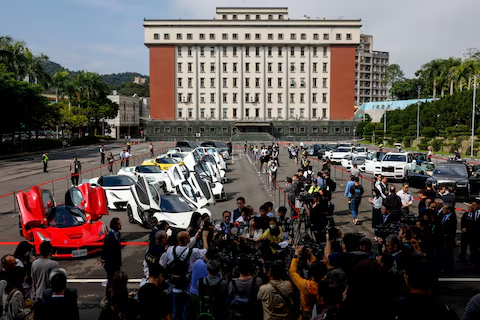
Taiwan indicts 62 in alleged Prince Group laundering case as regional pressure tightens on Cambodia-linked scam finance
Taiwan has moved to dismantle alleged Prince Group-linked laundering at the asset layer: cars, property, and cash turning a regional scam narrative into a financial-system enforcement event.
-
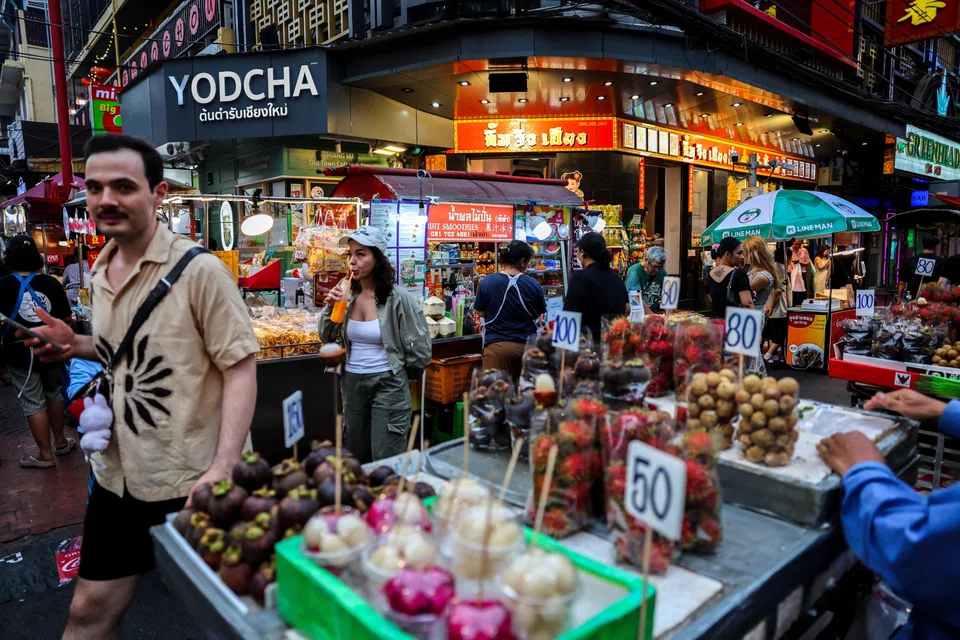
Thailand inflation stays negative in February as energy relief and price controls mask weak demand; Cambodia faces fuel-supply and import-price spillovers
Thailand’s consumer prices fell 0.88% year-on-year in February, extending a period of below-target inflation driven mainly by lower energy costs and government price interventions. While the decline may ease import costs for neighbours such as Cambodia, it also reflects underlying demand weakness and policy-dependent price stability in Thailand’s economy.
-
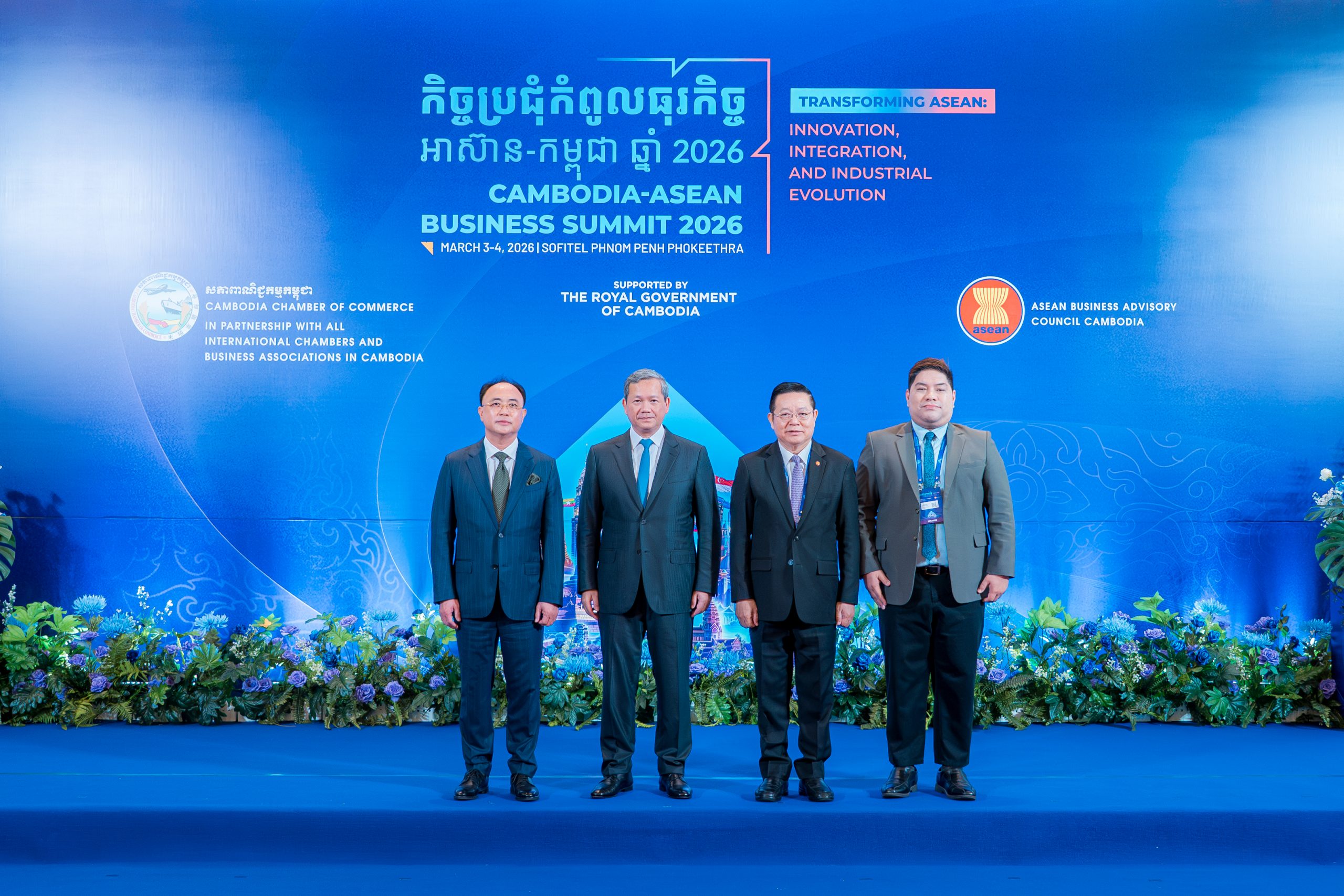
ASEAN chief joins Cambodia-ASEAN Business Summit opening as Phnom Penh pitches “industrial evolution” agenda
ASEAN Secretary-General Kao Kim Hourn joined Prime Minister Hun Manet at the opening of the Cambodia–ASEAN Business Summit 2026 in Phnom Penh, where regional officials and business leaders highlighted innovation, investment cooperation and deeper ASEAN economic integration.
-
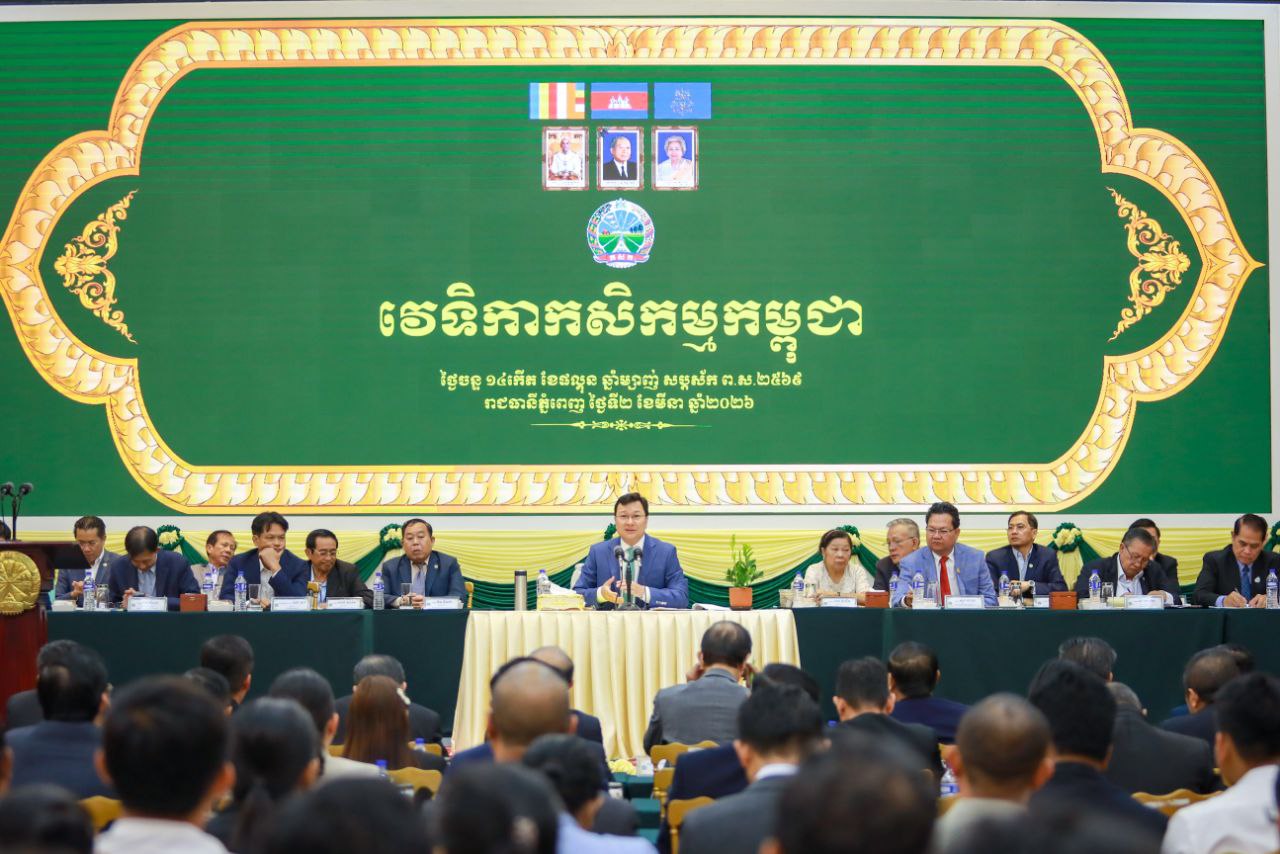
Cambodia agriculture forum brings government, private sector together to strengthen sector development
Cambodia’s Ministry of Agriculture convened the Cambodian Agricultural Forum on March 2, bringing together government institutions, private-sector representatives and agricultural experts to discuss sector performance and gather input for strengthening the country’s agricultural development strategy.
-
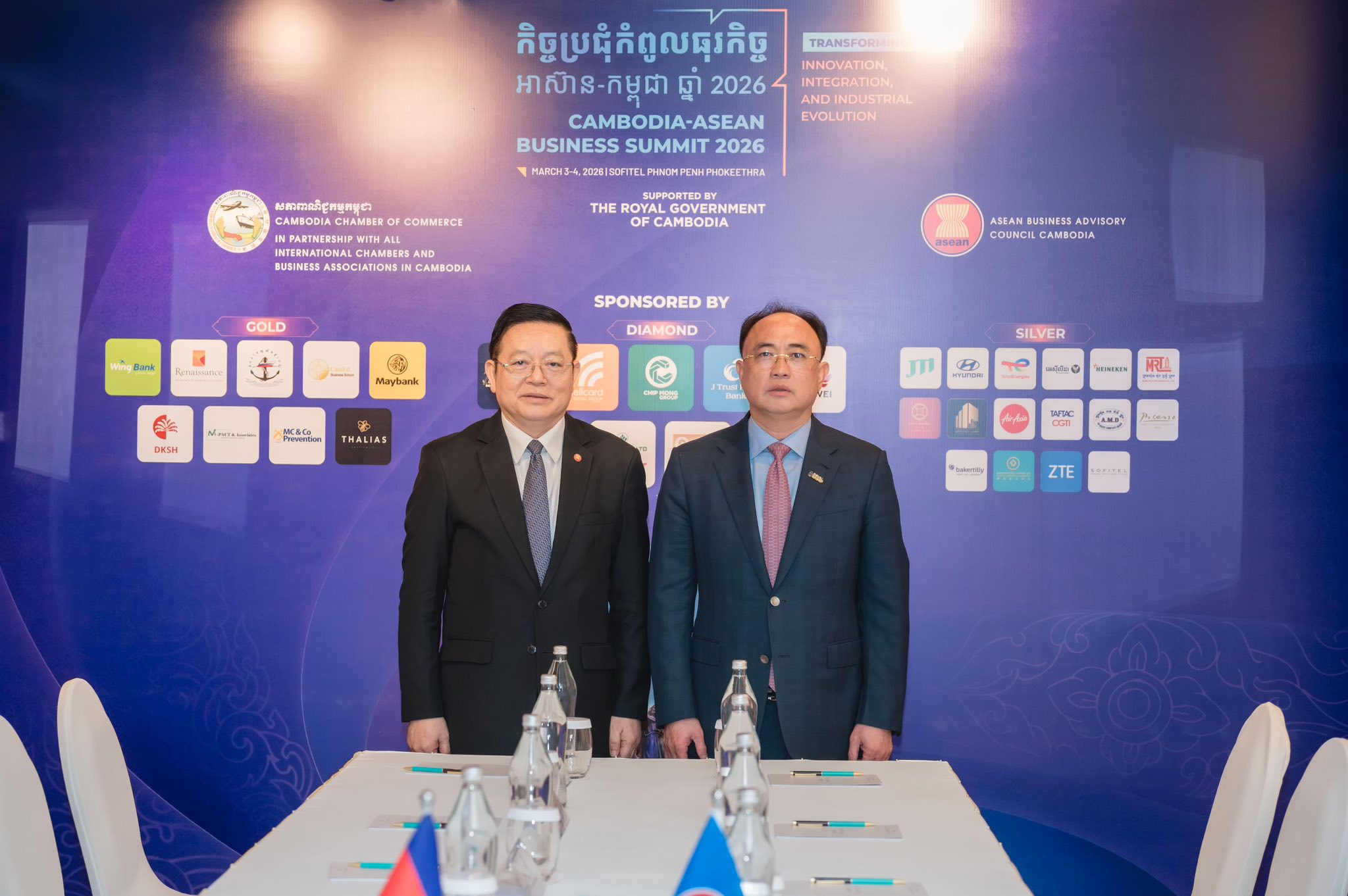
ASEAN Secretary-General joins Cambodia-ASEAN Business Summit in Phnom Penh, with bilaterals planned
ASEAN Secretary-General Kao Kim Hourn is in Phnom Penh for the Cambodia–ASEAN Business Summit 2026 (March 3–4), where he is scheduled to hold bilateral meetings with Cambodian officials alongside engagements with regional business leaders, according to the ASEAN Secretariat and Cambodian state media.
-
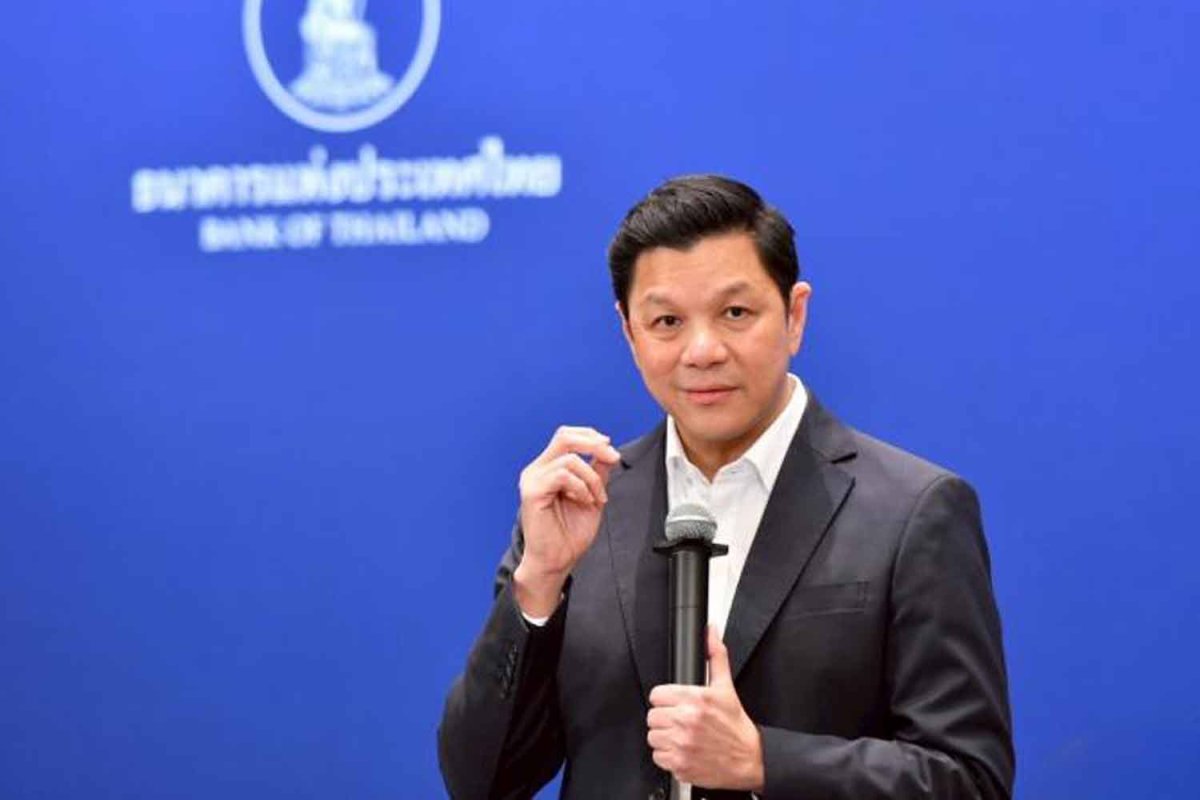
BoT warns Middle East conflict could shave up to 0.15pp off Thai growth as oil risks rise
Thailand’s central bank warned that an escalating Middle East conflict could shave up to 0.15 percentage points off GDP if oil prices rise by an average $10 per barrel over a year.
-
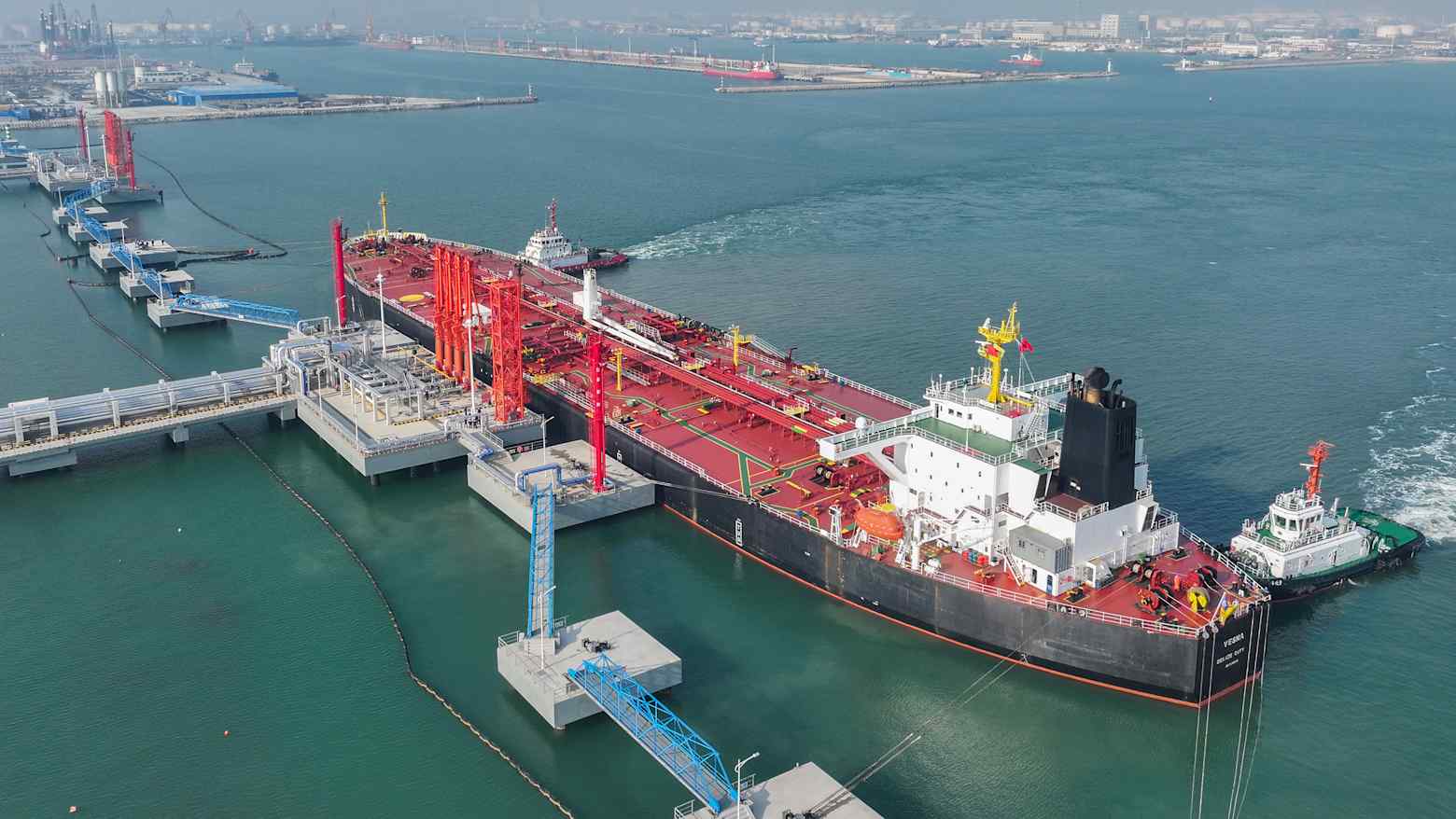
Asian governments cite stockpiles as Hormuz threat lifts oil toward $80
Asian governments are trying to calm markets by pointing to strategic oil and gas buffers as Iran’s Revolutionary Guards declare the Strait of Hormuz “closed” and threaten to attack transiting ships. The immediate risk is less a sudden regionwide fuel blackout than a fast-spreading price-and-insurance shock that can turn into physical shortages if disruption persists.
-
Energy Shock Ripples Across Alliances as Hormuz Disruption Tests Market Assumptions
A near-halt in tanker traffic through the Strait of Hormuz and the shutdown of Qatar’s Ras Laffan LNG complex have exposed a structural fault line in global energy markets. If the disruption lasts weeks rather than days, the shock will migrate from trading floors to treasuries, testing alliance cohesion through price and supply stress.
-

Cambodia pushes coffee, cocoa as “strategic crops” for northeast development, official says
Senate Second Vice President Thun Vathana said Mondulkiri’s local output meets “only an estimated 10%” of domestic market demand, calling the gap a “golden opportunity” for farmers and investors to expand cultivation.
-
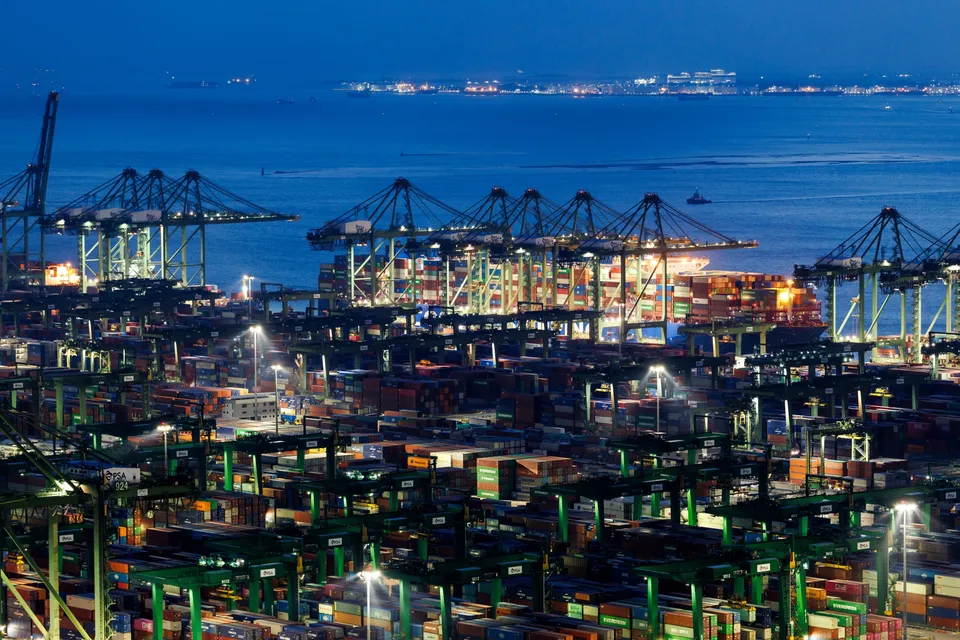
Southeast Asia weighs whether to reopen Trump-era tariff deals after US court setback
A US Supreme Court ruling curbing President Donald Trump’s emergency tariff authority has forced Southeast Asian governments to reassess trade deals struck under threat of sweeping duties. While Washington has shifted to a temporary global tariff and slower investigations, regional leaders now face a strategic choice: reopen concessions made under pressure or maintain existing arrangements…
-

Major Cineplex Divests Cambodia Operations to Sabay Digital Group
Thailand’s Major Cineplex Group will sell its Cambodian cinema business to Sabay Digital Group for about 161 million baht ($5.14 million), according to a Feb. 28, 2026 filing. Operations are expected to continue under new local ownership.