
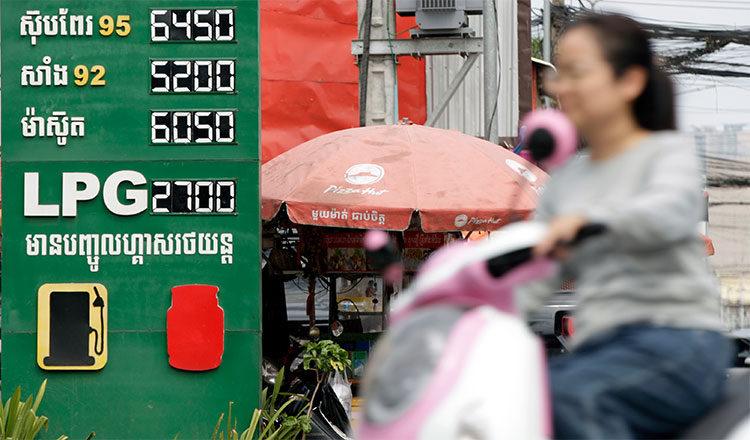
The latest fuel price announcement triggered criticism because many people saw global oil prices falling and expected the same drop at Cambodian gas stations. When prices did not fall immediately, frustration spread online.
The explanation lies in how Cambodia buys its fuel. Retail prices are influenced by crude oil, but they are not set by crude oil alone.
Cambodia does not import crude oil for domestic refining. It imports finished fuel products mainly gasoline 92 and diesel from regional markets. These imports are priced using benchmarks such as the Singapore MOPS market, a key reference for refined fuel trading in Asia.
This distinction matters because crude oil and gasoline are different markets. Crude oil is the raw material. Gasoline and diesel are refined products with their own prices, shaped by refinery output, regional demand, and transport costs.
Countries that refine crude domestically may see pump prices follow crude movements more closely. Cambodia’s prices instead track the regional market for refined fuel. Even when crude prices fall, gasoline prices in Asia may stay high if regional supply tightens or refinery margins rise.
Timing also affects what consumers see at the pump. Fuel sold today was purchased earlier. Importers typically buy cargoes weeks before delivery.
After purchase, fuel must be loaded, shipped, insured, unloaded at port, stored, and distributed to stations across the country. This supply chain creates a delay between global market changes and retail prices.
As a result, prices at the pump reflect fuel bought under earlier market conditions. A drop in international prices today may take time to appear in Cambodia.
The pricing system also smooths short-term volatility. Cambodia sets a retail fuel ceiling using a ten-day formula based on regional fuel prices, import premiums, shipping and insurance costs, taxes such as VAT, and domestic distribution expenses.
To reduce pressure on consumers, the government currently applies a reduction of about $0.065 per liter, along with an additional $0.01 adjustment linked to international trends. Because the formula uses averaged data, prices adjust gradually rather than day by day.
Recent geopolitical tensions have added pressure to regional fuel markets. At the end of February 2026, instability around the Strait of Hormuz disrupted shipping through one of the world’s main oil transport routes.
Higher security risks increased tanker insurance and freight costs. Disruptions to shipping and refinery supply also tightened gasoline and diesel availability in Asian trading hubs.
In these conditions, refined fuel prices in Asia can remain elevated even if crude oil prices later stabilize or decline. Because Cambodia imports fuel from these markets, those regional conditions feed directly into import costs.
Some observers have asked why Cambodia’s strategic fuel reserves are not used to lower prices. The country holds reserves equal to about 21 days of supply, but these stocks are designed for emergencies such as major supply disruptions or blocked shipping routes.
Their role is to protect fuel availability, not to manage normal price fluctuations.
The current debate highlights a broader misunderstanding about energy markets. Consumers see the final price at the pump but not the chain of costs behind it regional fuel benchmarks, shipping rates, insurance premiums, taxes, and distribution.
Online comparisons often place crude oil charts beside pump prices and assume the two should move together. In reality, Cambodia imports refined gasoline and diesel, whose prices depend on regional fuel markets and transport conditions.
By the time fuel reaches Cambodian stations, its price reflects the full cost of buying refined fuel in Asia, moving it through international shipping routes, and distributing it across the country.