SINGAPORE/WASHINGTON/DUBAI, March 2 – U.S. and Israeli strikes on Iran that Washington said killed Ayatollah Ali Khamenei, the country’s Supreme Leader, triggered Iranian retaliatory attacks across the Gulf and sharp disruption to shipping and energy markets, with oil prices jumping and scores of tankers anchoring near the Strait of Hormuz, according to government statements, company disclosures and shipping data.
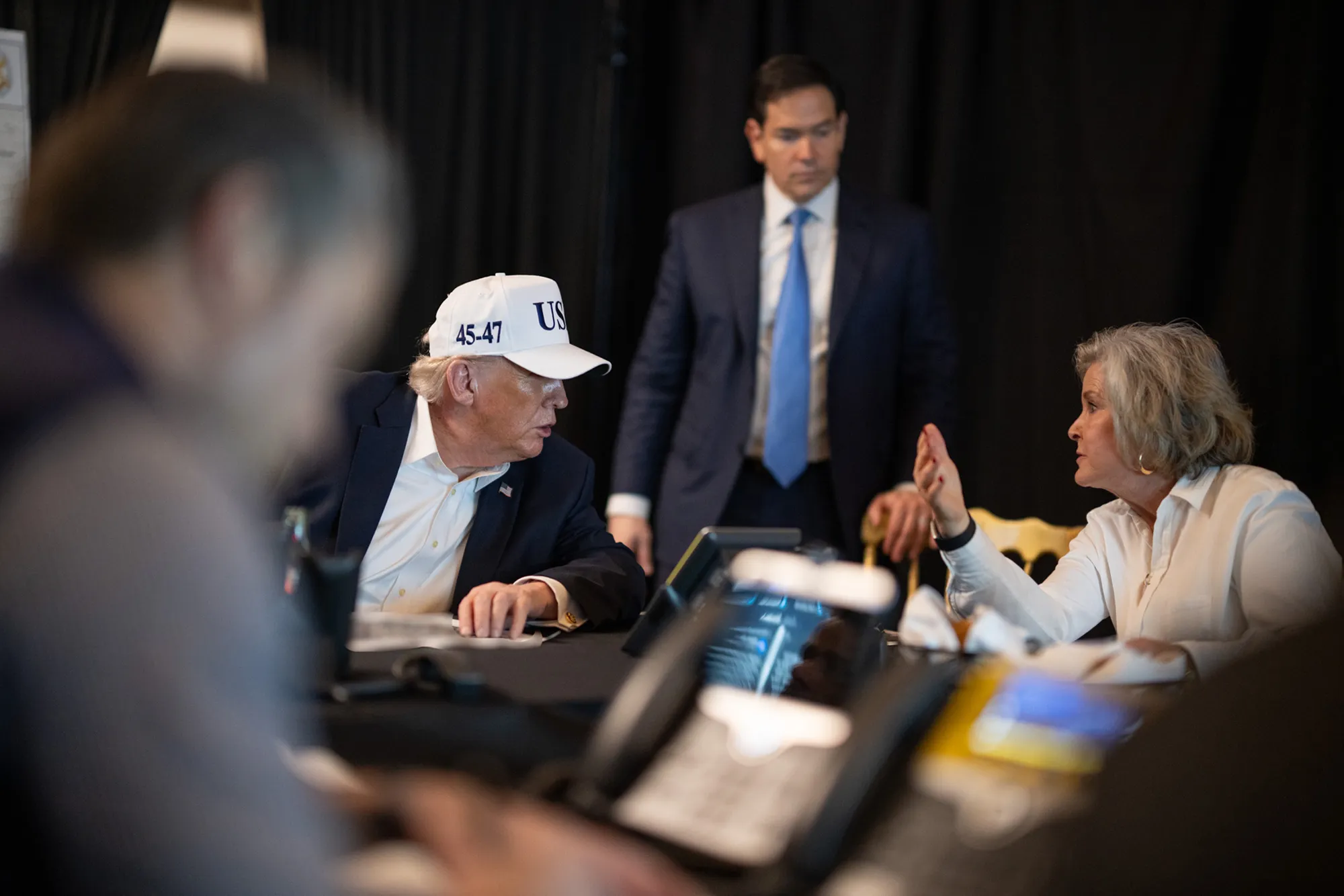
Iranian state media confirmed Khamenei’s death after the operation, which U.S. officials named “Operation Epic Fury.” The White House released photographs showing President Donald Trump monitoring the strikes from his Mar-a-Lago resort in Florida. Reuters reported the operation name and the confirmation of Khamenei’s death.
U.S. Central Command later said three American service members were killed and five seriously wounded in the campaign, the first reported U.S. casualties since the strikes began.
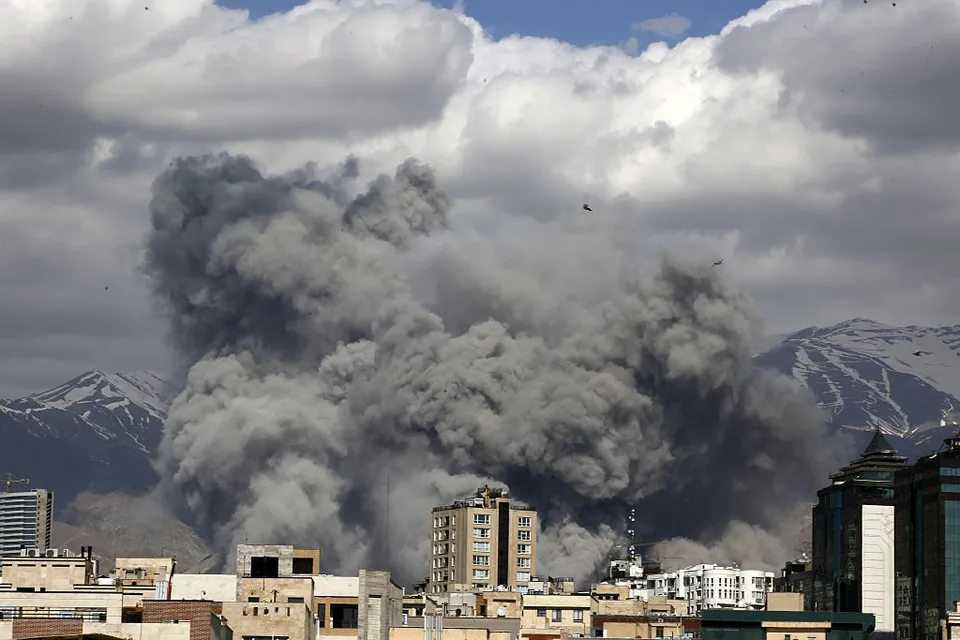
Iran responded with missile and drone attacks that struck targets across Israel and the Gulf. In the United Arab Emirates, debris linked to aerial interception caused a fire at Jebel Ali port, and port operator DP World temporarily suspended operations, Reuters reported. Witnesses described blasts over Dubai and Doha.
Shipping Disruption Around Hormuz
Commercial shipping through and around the Strait of Hormuz a conduit for roughly a fifth of global seaborne oil slowed sharply as companies reassessed risks. Japanese shipping firms said they had halted transits through the strait, while vessel-tracking data cited by Reuters showed large numbers of tankers anchoring on both sides of the chokepoint amid congestion.
Separate Reuters reporting said at least three tankers were damaged in incidents linked to the escalation, and one seafarer was killed.
Insurers began reviewing war-risk cover for voyages in and around the Gulf. Skuld, a Norway-based marine insurer, issued a notice of cancellation in respect of certain war risks in the region effective early March, according to a circular on its website.
Iranian officials publicly said they did not intend to close the Strait. At the same time, Iranian state media described navigation as unsafe. A maritime security center linked to the U.S. Navy said it had not received formal notification of an international suspension of traffic. The result has been effective disruption rather than a formally declared closure.
Oil and Markets
Oil prices rose sharply as traders priced in the risk of prolonged disruption. Brent crude climbed to around $82 a barrel at peak levels in early trade before easing, according to Reuters market data. Analysts at Bloomberg Economics estimated that a full closure of Hormuz could push oil above $100 a barrel, though such a scenario remains hypothetical.
Airlines halted flights across major Gulf hubs including Dubai, Doha and Abu Dhabi, stranding passengers and disrupting one of the world’s busiest aviation corridors.
Investors moved into traditional safe-haven assets, with gains reported in gold and the U.S. dollar, while equity futures pointed lower in early trading.
Diplomacy and Domestic Politics
European leaders sought distance from the operation. In a joint statement, the leaders of the United Kingdom, France and Germany said their countries “did not take part in the strikes on Iran” and called for a return to negotiations.
Russian President Vladimir Putin condemned the killing as a “cynical” violation of norms, according to Reuters, while Chinese Foreign Minister Wang Yi said it was “unacceptable to openly kill the leader of a sovereign country,” warning of regional destabilization.
Trump said in media interviews that Iran’s new leadership had signaled it wanted talks, though independent confirmation from Tehran was not immediately available. Iranian President Masoud Pezeshkian announced that a temporary leadership council would assume Khamenei’s duties, according to Iranian state statements cited by Reuters.
In the United States, a Reuters/Ipsos poll released Sunday found 27% of Americans approved of the strikes, while 56% said Trump was too willing to use military force. The escalation comes months before midterm elections, adding domestic political pressure as the administration signals operations may continue.
Succession and Legal Questions
Khamenei, Iran’s highest authority for more than three decades, sat at the apex of the country’s political and military structure. His death leaves the Islamic Republic facing a succession process overseen by the Assembly of Experts, though the balance of power within the security establishment remains unclear.
The targeting of a sitting Supreme Leader marks a significant escalation in U.S. use of force. The United States has previously carried out targeted killings of senior military figures, including Iranian General Qassem Soleimani in 2020. Legal scholars have debated how such actions intersect with international law and longstanding U.S. executive orders that address assassination and the use of force. No U.S. court has ruled on the legality of the latest strike.
What Remains Unknown
The extent of damage to Iran’s nuclear facilities and military command structure has not been independently verified. It is also unclear how cohesive Iran’s security forces remain or whether proxy groups aligned with Tehran will widen the conflict beyond the Gulf.
For now, the immediate effects are visible in energy markets, airspace closures and anchored tankers waiting for clarity in one of the world’s most strategically sensitive waterways. Whether the escalation leads to negotiated de-escalation or a broader regional conflict remains uncertain.