PHNOM PENH, March 13 – The United Nations’ top official in Cambodia called for the preservation of peace and respect for international law after meeting Cambodian human rights authorities to discuss the humanitarian impact of tensions linked to last year’s Cambodia–Thailand border conflict.
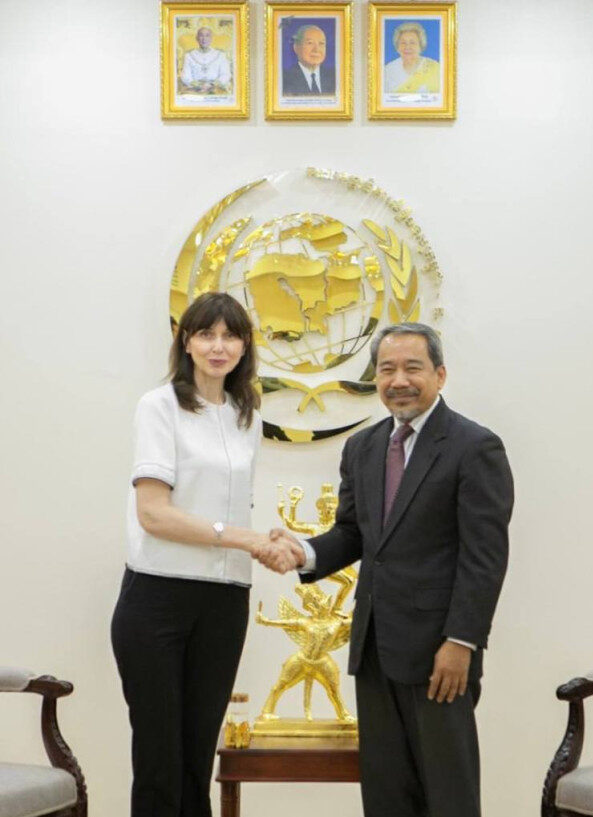
The remarks were made during a March 12 meeting between Keo Remy, president of the Cambodian Human Rights Committee (CHRC), and Vladanka Andreeva, the United Nations Resident Coordinator in Cambodia, at CHRC headquarters in Phnom Penh.
“Conflicts always have serious consequences for people’s lives and social development,” Andreeva said, according to reporting by Khmer Times. “Peace must be preserved, and international law must be respected.”
The meeting primarily focused on cooperation between Cambodia and UN mechanisms on human rights, including the implementation of Universal Periodic Review (UPR) recommendations, institutional capacity building, and monitoring of detention facilities.
Officials also discussed the development of Cambodia’s National Recommendations Tracking Database (NRTD) and initiatives aimed at supporting vulnerable groups, including refugees, migrant workers, and members of the LGBTQIA+ community, according to the meeting summary.
The discussion took place against the backdrop of the 2025 armed confrontation along the Cambodia–Thailand border, which displaced large numbers of civilians and prompted ongoing diplomatic accusations between the two neighbouring countries.
During the meeting, Cambodian officials briefed the UN on what they described as the humanitarian consequences of the conflict.
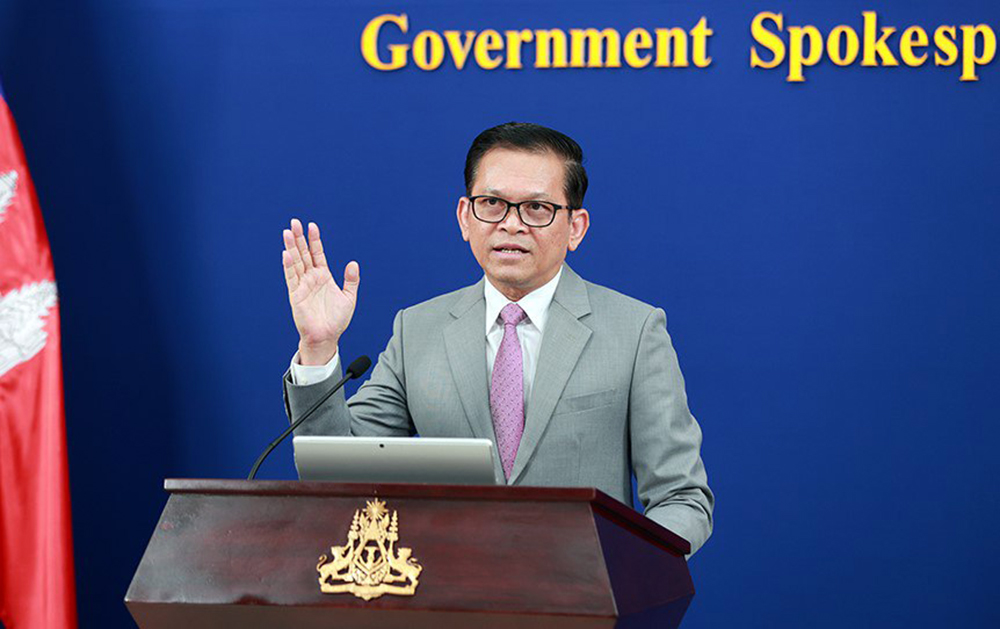
Keo Remy said Cambodian authorities had documented alleged violations of international human rights and humanitarian law during the hostilities, including violence against Cambodian migrant workers and damage to civilian property near the border.
He also accused Thai forces of conducting indiscriminate attacks using heavy weapons and military aircraft and of taking measures in disputed areas that have prevented displaced residents from returning home.
Those allegations have been repeatedly raised by Cambodian officials in international forums since the conflict escalated in 2025.
Thailand has rejected similar accusations and has instead accused Cambodia of violating the December 27, 2025 ceasefire agreement that ended the most intense phase of fighting.
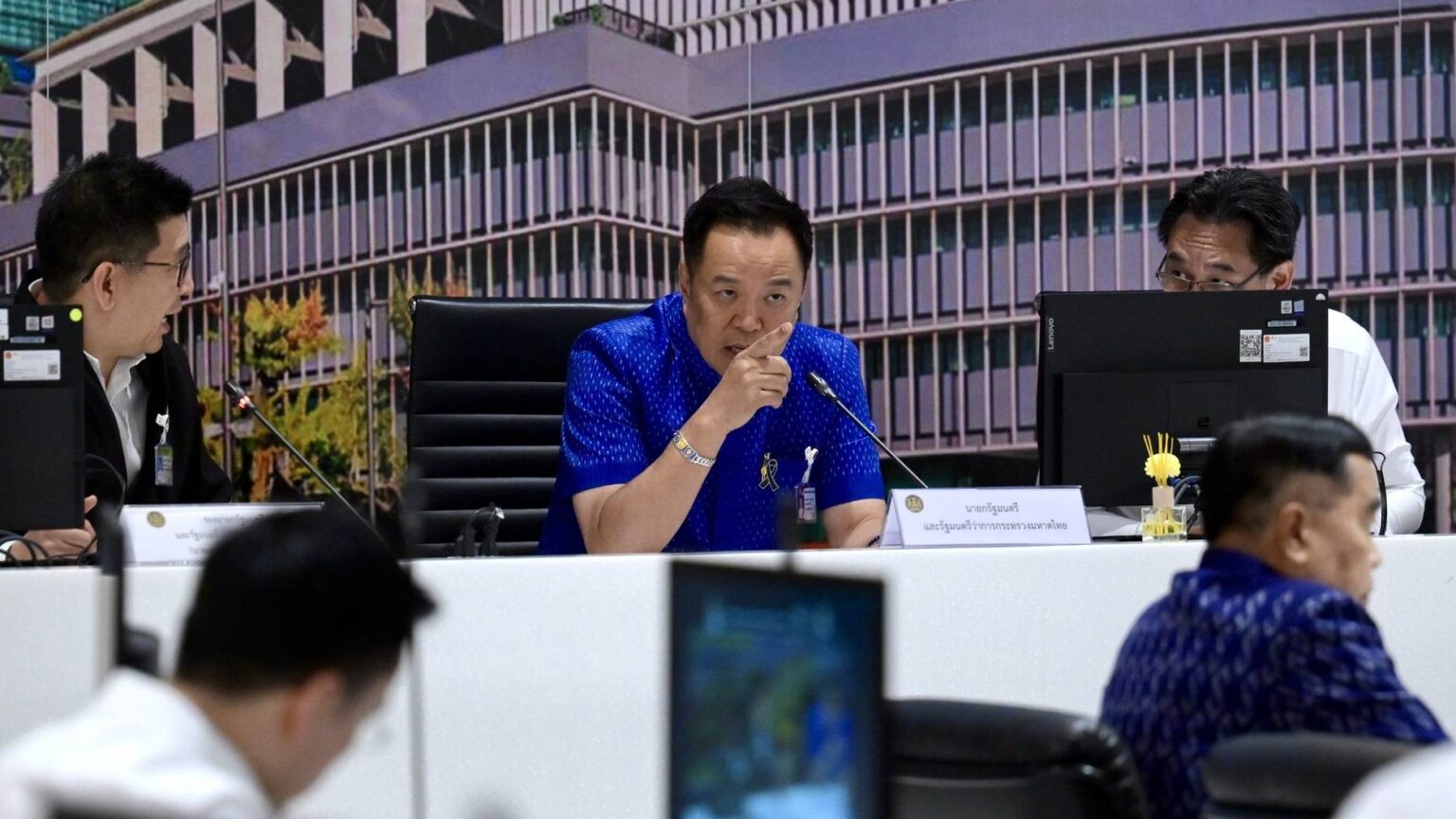
In a March 11 statement, Thailand’s Ministry of Foreign Affairs said a February 24 grenade incident constituted a breach of the joint ceasefire framework and said any security measures taken along the border were defensive in nature.
The United Nations did not attribute responsibility for the violence in its remarks following the Phnom Penh meeting. Andreeva’s comments focused instead on the humanitarian impact of conflict and the need for disputes to be resolved peacefully.
Cambodian officials said the government remained committed to working with the United Nations and civil society organizations to promote human rights while pursuing a peaceful resolution to border disputes in accordance with international law.