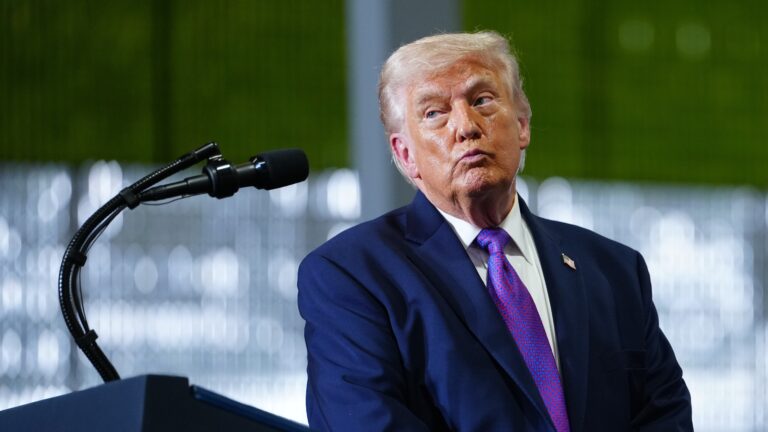
WASHINGTON, March 11 – The United States has launched a series of trade investigations targeting what it calls structural excess industrial capacity across 16 economies, including Thailand and Cambodia, as the administration of Donald Trump seeks new legal avenues to apply tariff pressure after a Supreme Court ruling curtailed its earlier global tariff programme.
The office of the Office of the United States Trade Representative said the investigations, opened under Section 301 of the Trade Act of 1974, will examine whether industrial policies or market distortions in the targeted economies have created production capacity that exceeds domestic demand and leads to surges of exports into global markets.
The review covers China, the European Union, Japan, India, South Korea, Mexico, Taiwan, Vietnam, Thailand, Malaysia, Cambodia, Singapore, Indonesia, Bangladesh, Switzerland and Norway, according to the USTR notice.
Officials said the investigation will focus on sectors widely associated with global industrial overcapacity, including steel, automobiles and auto parts, semiconductors, batteries, solar modules, electronics, machinery, shipbuilding and transportation equipment.
Public comments on the probe will open in mid-March, with written submissions due by April 15 and hearings scheduled to begin on May 5, the agency said.
Legal shift after Supreme Court ruling
The investigation follows a decision by the Supreme Court of the United States in February that struck down a key element of the administration’s previous tariff strategy.
In Learning Resources v. Trump, the court ruled that the president could not rely on emergency powers under the International Emergency Economic Powers Act (IEEPA) to impose broad tariffs without explicit authorization from Congress.
Trade officials say the new investigations rely instead on statutory authority under Section 301, which allows the United States to impose tariffs or other restrictions following a formal investigation into unfair foreign trade practices.
The approach provides a more structured legal pathway for tariff measures, requiring public consultation and an administrative record before remedies are imposed.
Southeast Asia in focus
Several Southeast Asian economies are included in the investigation, reflecting growing U.S. scrutiny of regional supply chains that expanded after earlier tariffs on Chinese goods encouraged companies to shift production to neighbouring countries.
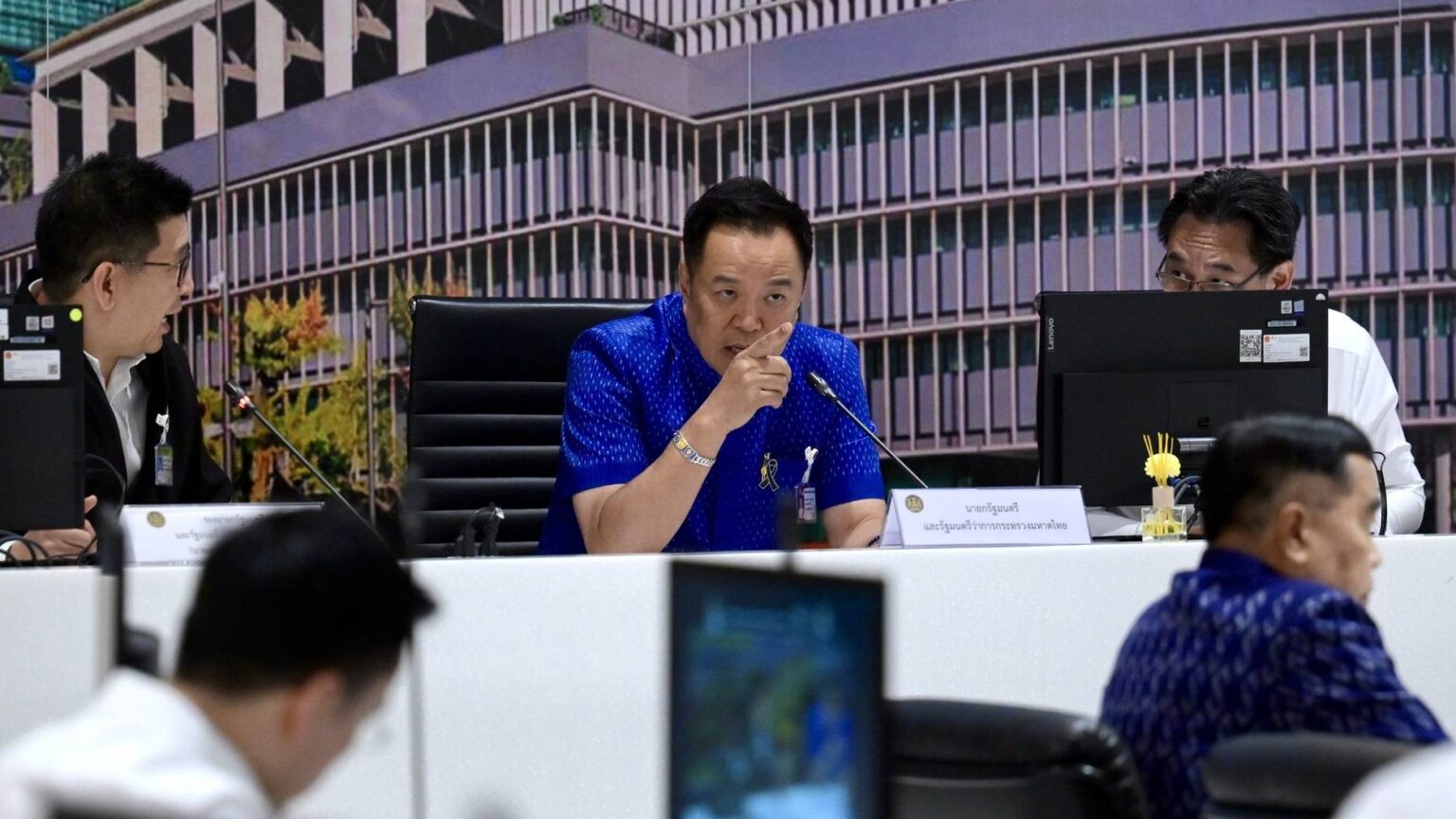
For Thailand, the USTR said available evidence pointed to structural excess capacity in sectors including automobiles and auto parts, machinery and rubber products, noting that Thailand’s manufacturing sector has operated below 60% capacity utilization for two consecutive years.
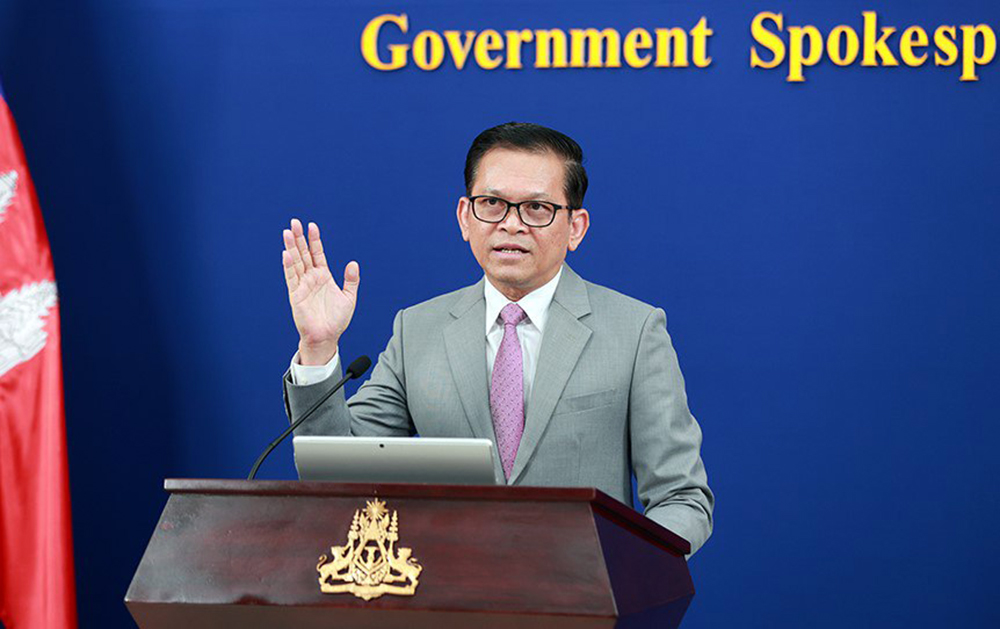
For Cambodia, the investigation cites rapid growth in garment, footwear and travel goods (GFT) manufacturing exports, which have become the backbone of the country’s export economy.
U.S. trade data show imports from Cambodia reached roughly $15.3 billion in 2025, compared with about $370 million in U.S. exports, leaving the United States with a $14.9 billion goods trade deficit with the Southeast Asian nation.
The notice also lists electronics among the broader manufacturing sectors under review, though the USTR document does not identify Cambodian electronics as a country-specific trigger sector.
Potential tariff outcomes
Section 301 investigations do not automatically result in tariffs, but they give the United States authority to impose duties, quotas or other trade measures if investigators conclude that foreign practices harm U.S. commerce.
The move comes as the administration seeks to rebuild leverage in trade negotiations with major manufacturing economies following the court ruling that limited its earlier tariff powers.
Officials say the investigation will examine whether government subsidies, industrial policies or global supply-chain shifts have contributed to production levels that exceed global demand.
Analysts say the inclusion of Southeast Asian manufacturing hubs indicates that Washington is increasingly scrutinizing supply chains that relocated from China during earlier rounds of tariffs.
A final determination on possible trade remedies would follow the completion of the investigative process later this year.