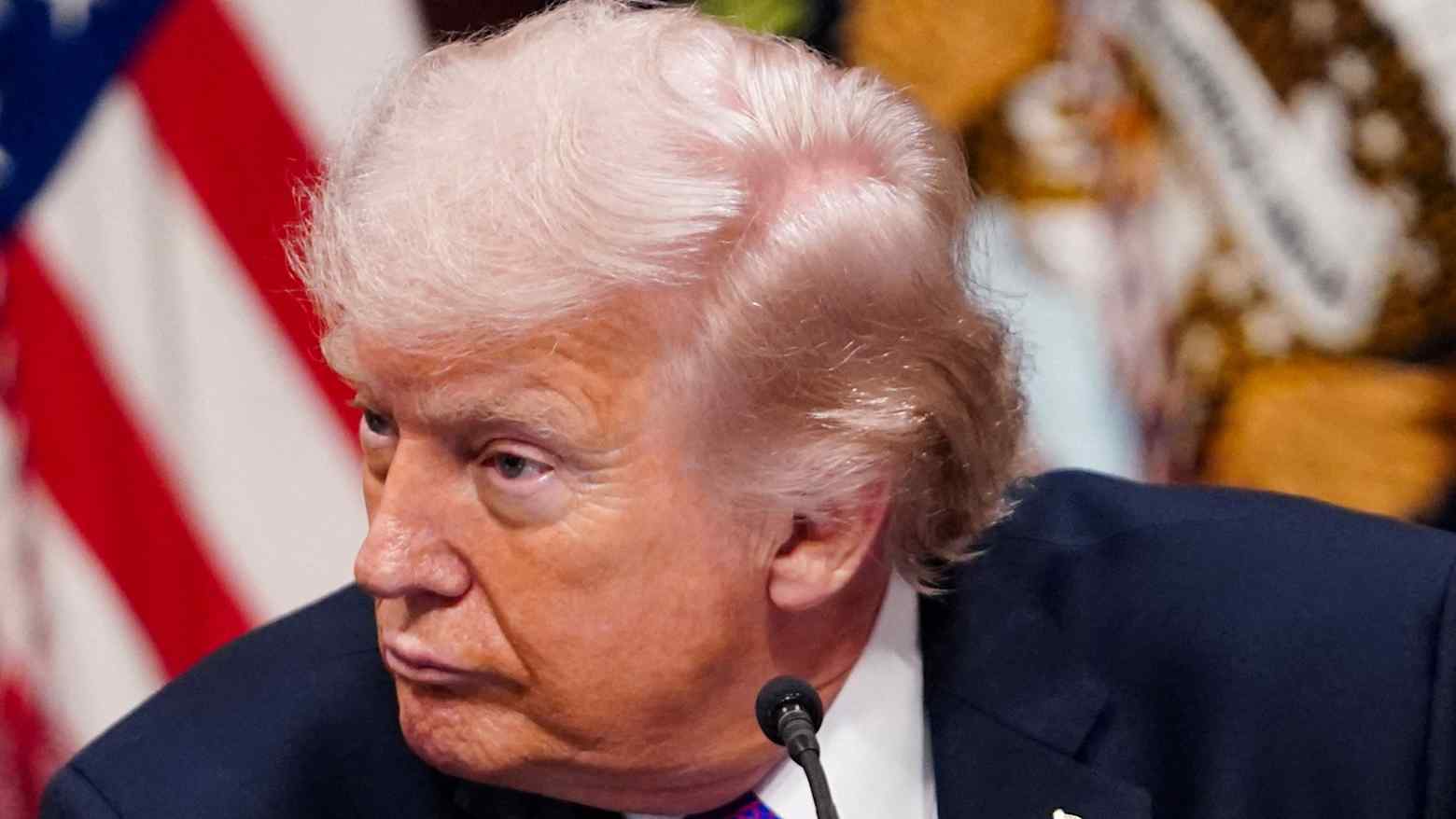
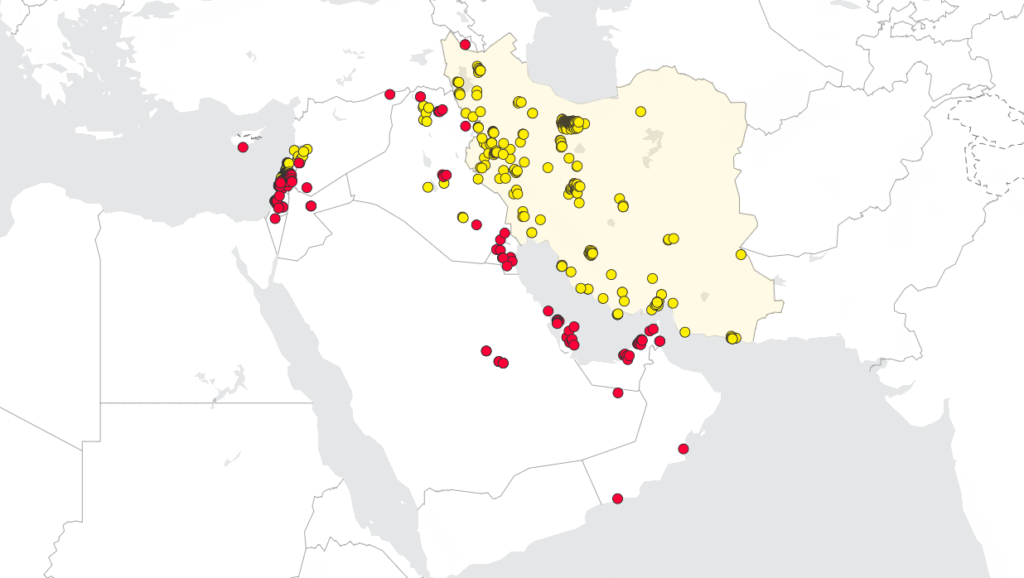
WASHINGTON/SINGAPORE, March 10 – President Donald Trump signaled the United States may be approaching a potential end phase of its war with Iran while weighing measures aimed at stabilizing energy markets, including possible oil-sanctions relief and naval protection for commercial shipping through the Strait of Hormuz.
Trump said the conflict could resolve “very soon,” even as he warned Tehran that any attempt to block oil flows through the strategic waterway would provoke a far stronger U.S. response.
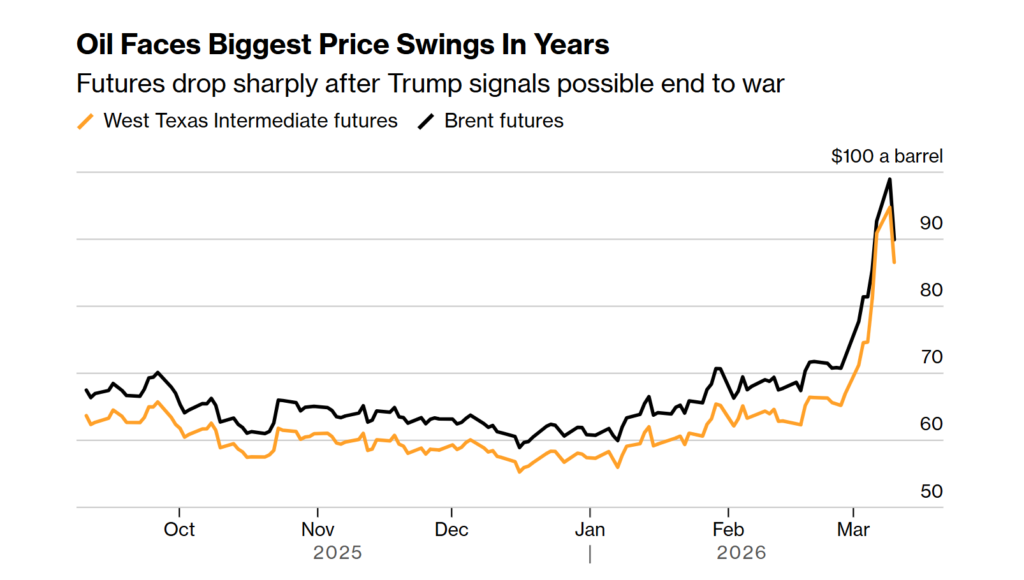
His remarks helped calm markets after crude prices surged on fears the war could disrupt global energy supply. Oil retreated from earlier highs after investors interpreted the comments as a sign Washington may be preparing a pathway toward de-escalation while working to prevent a sustained energy shock.
The volatility reflects the central importance of the Strait of Hormuz, a narrow shipping corridor through which roughly a fifth of the world’s oil and liquefied natural gas normally passes. Tanker movements through the strait have fallen sharply since the conflict began, raising concerns that prolonged disruption could trigger a broader supply crisis.
The White House is simultaneously examining economic tools to offset the shock. Officials have discussed easing certain oil-related sanctions to increase supply, and the U.S. Treasury has already authorized limited transactions involving Russian-origin crude bound for India, signaling a willingness to use sanctions flexibility to stabilize markets.
At the same time, Washington is exploring options to ensure commercial shipping can move through Hormuz safely, potentially including naval escort operations designed to deter attacks on tankers.
Trump said U.S. military objectives in the conflict were largely achieved, though the claims regarding the scale of damage to Iran’s military capabilities have not been independently verified.
The administration now faces a delicate balancing act: demonstrating military dominance while preventing the war from translating into sustained global inflation through higher energy prices.
Financial markets have been reacting rapidly to each signal from Washington. Oil prices initially surged on fears of supply disruption before retreating after Trump’s comments suggested the conflict may not escalate further. Gold and other safe-haven assets also moved sharply as investors adjusted expectations for inflation and interest rates.
Major economies are watching closely. Group of Seven finance ministers said they are prepared to support global energy supply if necessary, including through potential releases of strategic oil reserves, though officials indicated such steps have not yet been triggered.
The strategic challenge for Washington lies in aligning three competing pressures: maintaining military deterrence against Iran, restoring stability to global oil markets, and managing domestic economic consequences as gasoline prices rise.
If tanker traffic can resume safely and additional supply reaches markets through policy adjustments, the administration could frame the conflict as both a military success and an economic stabilization effort.
But the outcome remains uncertain. Any renewed disruption to shipping through Hormuz, or escalation by Iranian forces or regional proxies, could rapidly reverse the current market calm and push oil prices higher again.
For now, the most immediate signal from Washington is that the administration is attempting to pivot from battlefield momentum toward energy-market stabilization a transition that will determine whether the conflict remains a regional military confrontation or evolves into a wider global economic shock.