BANGKOK – March 13, 2026. A shutdown at one of Thailand’s largest petrochemical plants is beginning to ripple through the country’s manufacturing economy, forcing companies to adjust deliveries, inventories and distribution plans while officials maintain that the broader industrial system remains stable.
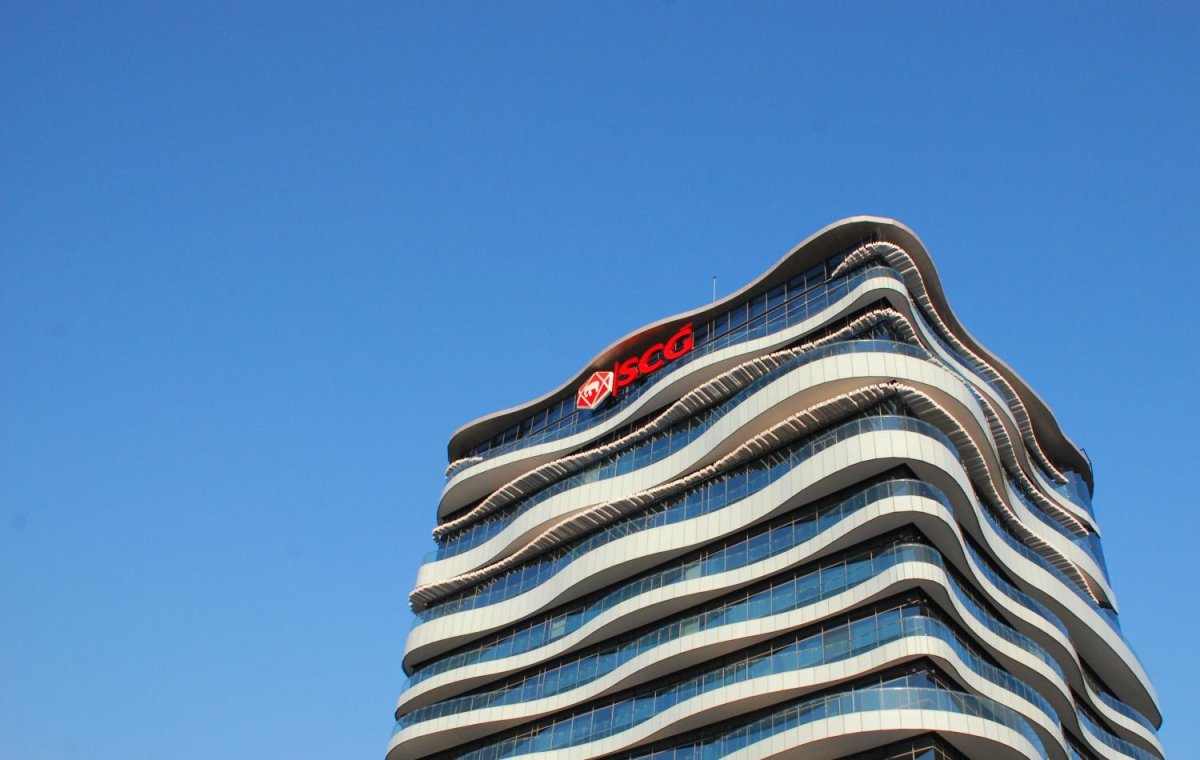
The disruption began when Siam Cement Group suspended operations at its Rayong Olefins Complex, declaring force majeure after feedstock shipments were disrupted amid tensions affecting maritime routes near the Strait of Hormuz.
SCG said the suspension would impose fixed costs of roughly 150 million baht ($4.2 million) per month, but the broader economic impact is now emerging downstream in sectors that rely on plastics and petrochemical derivatives.
Early Strain in Manufacturing
The first visible signs of pressure have appeared in the automotive sector.
Honda Automobile (Thailand) confirmed that shortages of certain production components were delaying vehicle deliveries, prompting the company to extend promotional campaign deadlines for customers awaiting car handovers until April 30.
In the coatings sector, TOA Paint told investors that inventories of some petrochemical-linked raw materials could last around 20 days, forcing the company to adjust distribution plans.
The disruption has also reached consumer goods.
Food manufacturer Thai President Foods, maker of the widely consumed Mama instant noodles, said suppliers of packaging film had begun rejecting orders because of shortages of plastic resin.
These disclosures suggest the petrochemical outage is beginning to move beyond the chemical industry and into Thailand’s broader manufacturing supply chains.
A Shock Moving Through the Industrial Chain
Petrochemical plants like the Rayong complex produce ethylene and propylene, the chemical building blocks used to manufacture plastics, packaging materials, industrial coatings and automotive components.
When production halts at a large upstream facility, shortages can cascade through multiple tiers of suppliers before becoming visible to manufacturers or consumers.
Thailand’s Eastern Seaboard industrial corridor home to petrochemical complexes, plastics converters and automotive assembly plants is particularly sensitive to such disruptions because of the tight integration between its industries.
Official Stability, Corporate Adjustments
Despite the emerging strain, Thailand’s largest manufacturers have so far avoided public declarations of production cuts.
Automotive companies including Toyota Motor Thailand and Isuzu Motors Thailand have issued no notices indicating factory shutdowns or output reductions.
Thai authorities have also emphasized stability. The government temporarily suspended exports of certain petroleum products in order to safeguard domestic energy reserves, framing the move as a precautionary measure rather than a response to industrial shortages.
Industry analysts say this combination of limited disclosures and quiet operational adjustments suggests companies are attempting to absorb the shock through inventory drawdowns and delivery rescheduling.
A System Under Watch
For now, Thailand’s manufacturing sector appears to be managing the disruption without widespread production stoppages.
But several developments could change that assessment.
Additional petrochemical shutdowns, formal production cuts by automotive manufacturers, or broader shortages of plastics and packaging materials would indicate that the shock has moved beyond mitigation and into systemic disruption.
Until then, Thailand’s industrial system remains in a delicate balance maintaining public stability while companies quietly adjust operations to cope with tightening supplies.