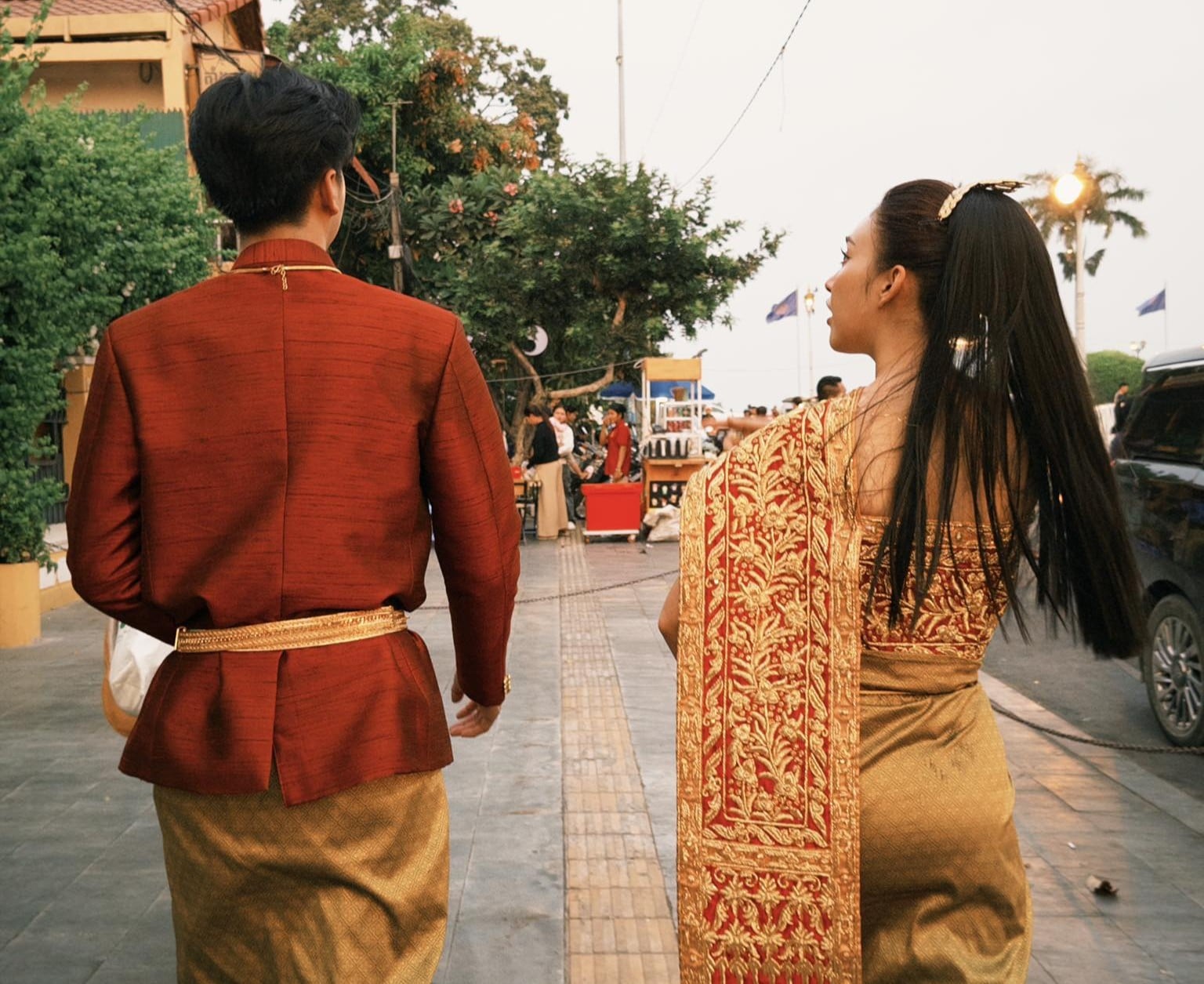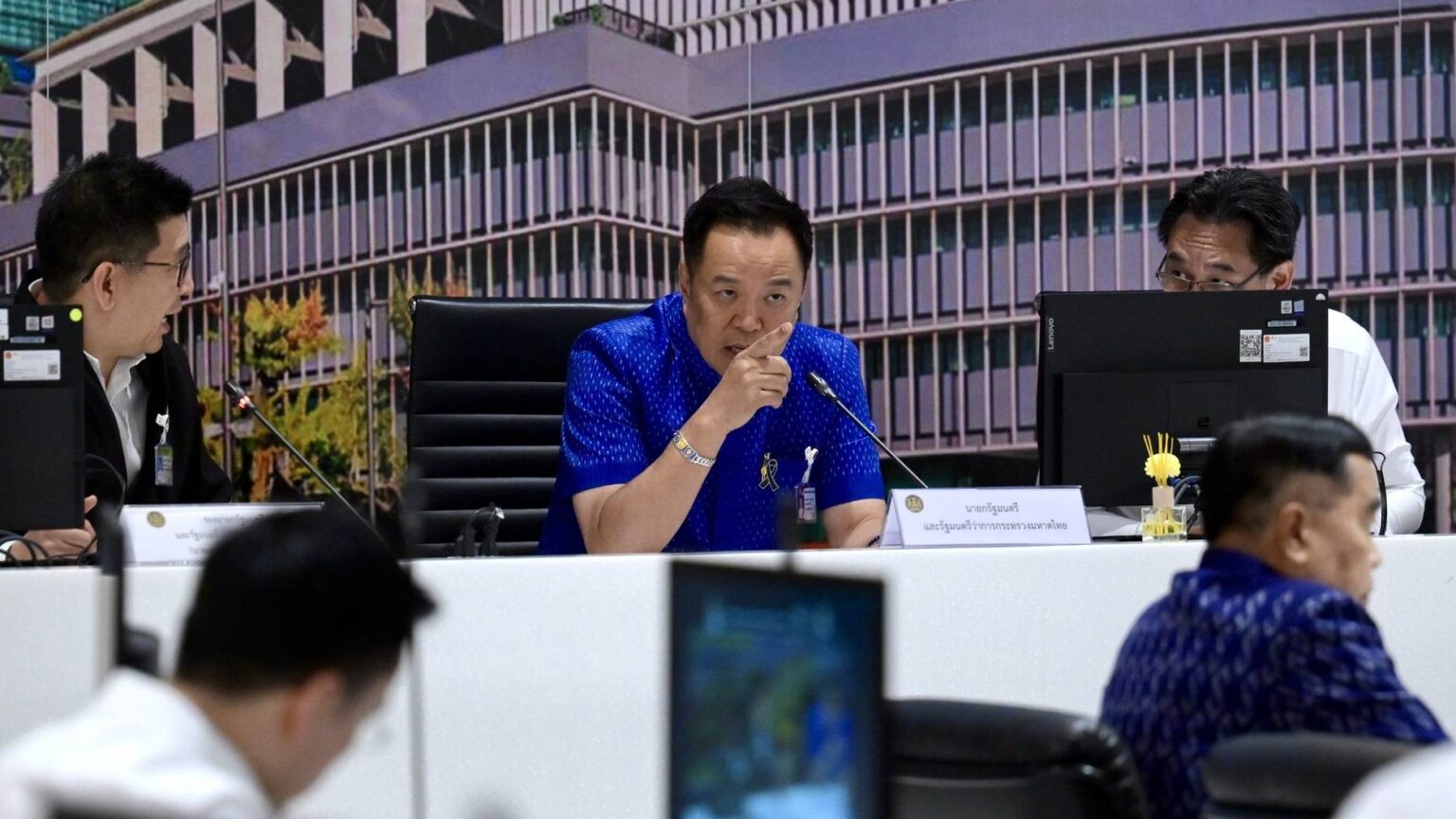
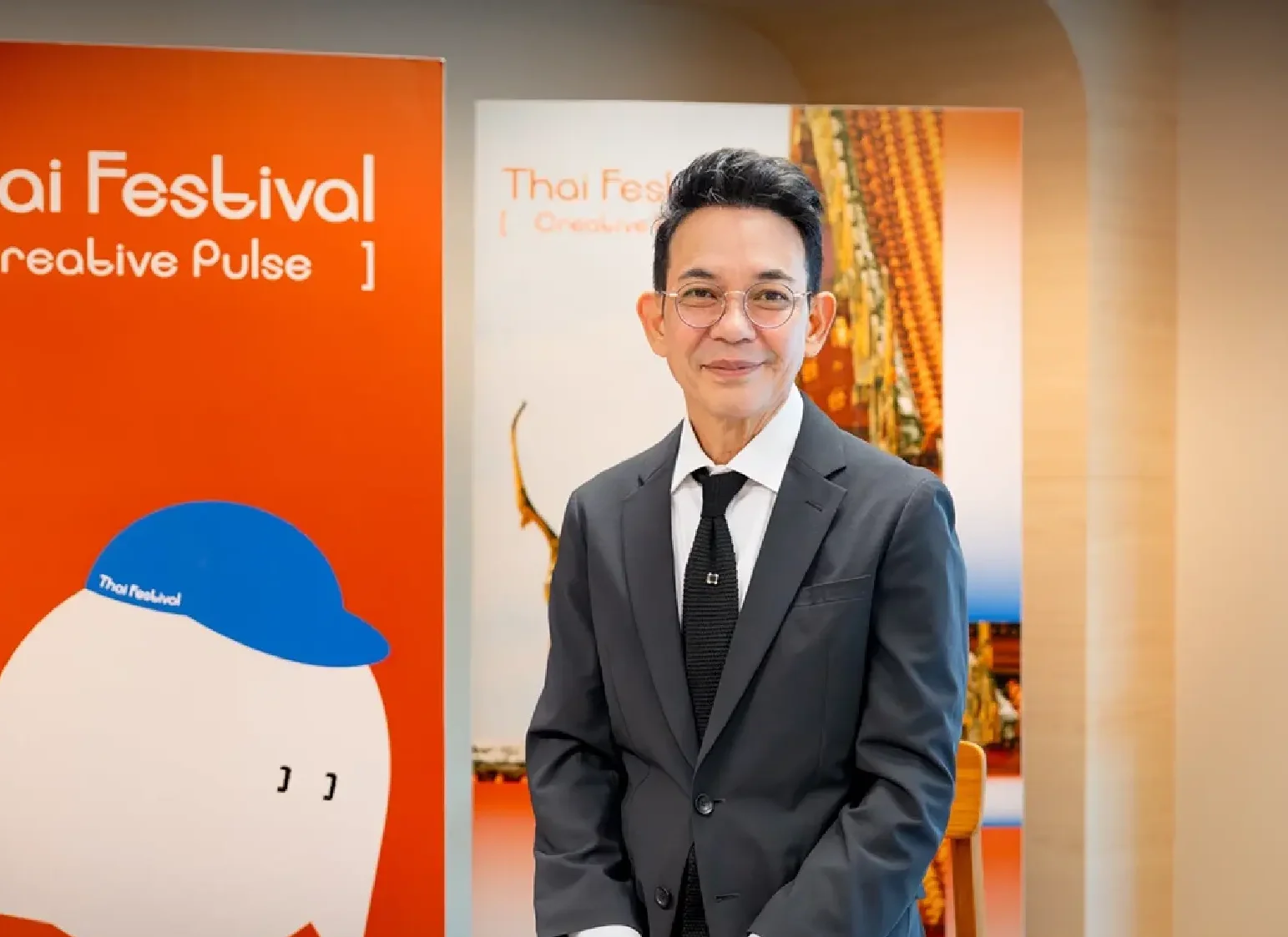
BANGKOK, March 9, 2026 – Thailand is mounting an ambitious effort to recast its global image, with the Ministry of Foreign Affairs moving to transform long-running Thai cultural festivals abroad into a more disciplined instrument of state branding aimed at projecting the country as a modern, creative and socially confident middle power.
The initiative, which officials say is designed to move international perceptions beyond the familiar tropes of beaches, temples and cuisine, reflects a broader strategic calculation inside the Thai state: that cultural diplomacy can no longer function as a loose tourism adjunct, but must serve as a more deliberate tool of prestige management in a world where status, relevance and narrative control increasingly shape diplomatic influence.
Under the revised approach, Thai festivals staged by embassies overseas are being reorganised under a 40:60 framework, with 40% of content centrally defined in Bangkok to ensure consistency of message and 60% left to local missions for adaptation to local audiences. The 2026 campaign follows the Foreign Ministry’s 2025 “Creative Pulse” push, which officials said reached around 2.5 million people across 45 cities.
Nikorndej Balankura, Thailand’s ambassador to France and a former Foreign Ministry spokesman, said the country’s image abroad had remained fragmented despite decades of promotional activity and argued that Thailand now needed a more unified identity in international space.
The new presentation of Thailand is intended to emphasise not only culture, but social progress, innovation and contemporary relevance. Officials have highlighted Thailand’s legalization of marriage equality, the international reach of T-Pop and Y-series entertainment, and themes such as sustainability, digital lifestyles, wellness and innovation.
On its face, the campaign is a soft-power modernization effort. But it also reveals something deeper about the pressures shaping Thai statecraft.
For years, Thailand’s external image has rested on a familiar formula of heritage, hospitality and tourist appeal. That model remains commercially effective, but it no longer fully serves a country seeking greater diplomatic weight, higher-value talent and a more prominent role in international agenda-setting. The shift now under way suggests Bangkok sees reputational adaptation as a strategic necessity, not a cosmetic upgrade.
That urgency is partly structural. Thailand’s modern identity has long rested on continuity: the preservation of sovereignty, national cohesion and institutional order through periods of regional upheaval. But as global competition intensifies and domestic expectations evolve, the gap between inherited prestige and present-day positioning has become harder to ignore. In that environment, image management becomes more than branding. It becomes a way of defending national relevance without triggering a rupture in the narrative of continuity.
The new cultural strategy therefore serves several functions at once. Internationally, it seeks to reposition Thailand as more than a leisure destination, a country with normative appeal, creative exports and policy modernity. Regionally, it supports Bangkok’s effort to retain symbolic weight in Southeast Asia at a time when influence is increasingly measured not just by economic size or diplomatic history, but by cultural legibility and the ability to shape how a country is understood abroad.
Domestically, the campaign performs another role: it offers a controlled vocabulary for modernization. By foregrounding marriage equality, creative industries and innovation through state-managed diplomatic channels, the government can present change as a continuation of Thai adaptability rather than a break with the institutional order. That distinction matters in a political system that has historically preferred calibrated adjustment over disruptive transformation.
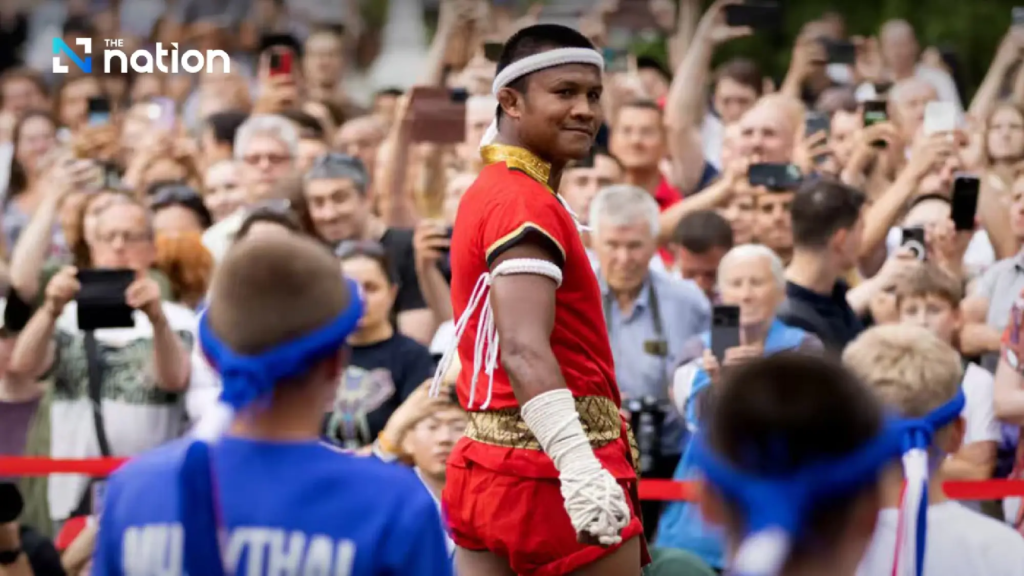
The festivals themselves are expected to become more than showcases of food and performance. Officials say they are intended to function as recurring platforms through which embassies can communicate a more contemporary Thailand to foreign publics, businesses and potential investors. The aim is to make them recognizable fixtures on local calendars while aligning them with broader national objectives, including talent attraction in sectors such as healthcare, technology and advanced services.
That ambition also carries risk. The more Thailand presents itself as a progressive, creative and internationally consequential actor, the more closely it will be judged against the coherence of that identity in practice. Soft power can widen diplomatic reach, but it also raises the reputational cost of contradiction. A country that asks to be seen as modern and rule-shaping will face tighter scrutiny over governance, policy consistency and institutional delivery.
Even so, the current effort marks a notable evolution in Thailand’s diplomatic posture. Rather than relying on passive affection for a familiar national image, Bangkok is attempting to standardize how the country is narrated overseas and to bring disparate cultural initiatives into a single strategic frame.
The underlying message is that Thailand does not want merely to remain visible. It wants to remain consequential.
In that sense, the reinvention of Thai festivals is not just a cultural campaign. It is part of a wider attempt to preserve status while adapting to a more demanding era using creativity, social policy and controlled narrative renewal to show that Thailand can modernize without surrendering the equilibrium on which its state identity has long depended.