
PHNOM PENH/SINGAPORE, March 5, 2026 – Thailand is paying an expanding “trust premium” in the Chinese outbound market as scam- and trafficking-linked narratives on Chinese social platforms continue to outpace official reassurances, depressing tourism recovery and reshaping Chinese buying behavior in Bangkok and resort property markets, according to a PropertyGuru Asia Property Awards/Asia Real Estate Summit analysis citing Colliers and regional industry indicators.
The catalyst described is not a single incident, but the compounding effect of high-salience cases that become aggregated online into a generalized risk frame. A widely circulated example is the January 2025 abduction of Chinese actor Wang Xing after travel to Thailand, later linked in reporting to trafficking into a scam compound near the Myanmar border. On Chinese platforms, the article argues, individual cases have been stripped of context and stitched together under alarmist captions, blurring geography and merging unrelated incidents into a broader “Thailand risk” narrative.

The market consequence, the article says, has been a rapid shift from viral content to measurable behavior. China–Thailand air capacity is described as sitting around 60% of 2019 levels, with Colliers’ internal threshold for demand normalization framed at 85%. Tourism signals cited include a decline in average Chinese group-tour coach sizes in Phuket and Pattaya from 42 passengers in 2019 to about 28 today, alongside weaker spend indicators such as duty-free expenditure per Chinese visitor down 18% in RMB terms. In Colliers-cited exit polling at Shanghai Pudong Airport, the article says 38% of passengers who chose not to travel to Thailand cited scam risk, compared with 14% for Vietnam and 6% for Japan.
Thailand has not become non-competitive, the analysis suggests; it has lost “default” status. That matters because the Chinese outbound market is described as structurally different from 2019: travelers are more selective, more risk-aware, and less willing to rely on familiarity when safety concerns are salient. In this frame, safety operates as a veto factor that outweighs price and proximity a shift that is difficult for marketing campaigns to reverse quickly because the burden of proof moves from messaging to demonstrable outcomes.
Property markets exposed to Chinese demand are showing similar repricing dynamics, the article says, particularly in segments once supported by lifestyle and long-stay buyers. Chinese buyers accounted for nearly half of all foreign freehold condominium transfers in Bangkok in 2018, according to figures attributed to Colliers; by the third quarter of 2025, that share is described as slipping to just over 20%. Average prices paid by Chinese buyers are cited as falling from about THB118,000 per square meter in 2019 to roughly THB98,000. The more material shift, analysts quoted argue, is buyer composition: newer transactions skew toward smaller, lower-ticket units a move away from discretionary lifestyle purchases toward cautious, yield-driven positioning consistent with a perceived “country-risk premium.”
Competing destinations appear to be capturing displaced demand. Japan and Dubai are presented as the clearest beneficiaries on the investment side because “risk feels easier to price” where legal clarity and visa certainty are stronger. Vietnam and the Philippines are described as gaining traction in tourism and investment narratives due to improving connectivity, newer infrastructure, and a “cleaner” brand story.
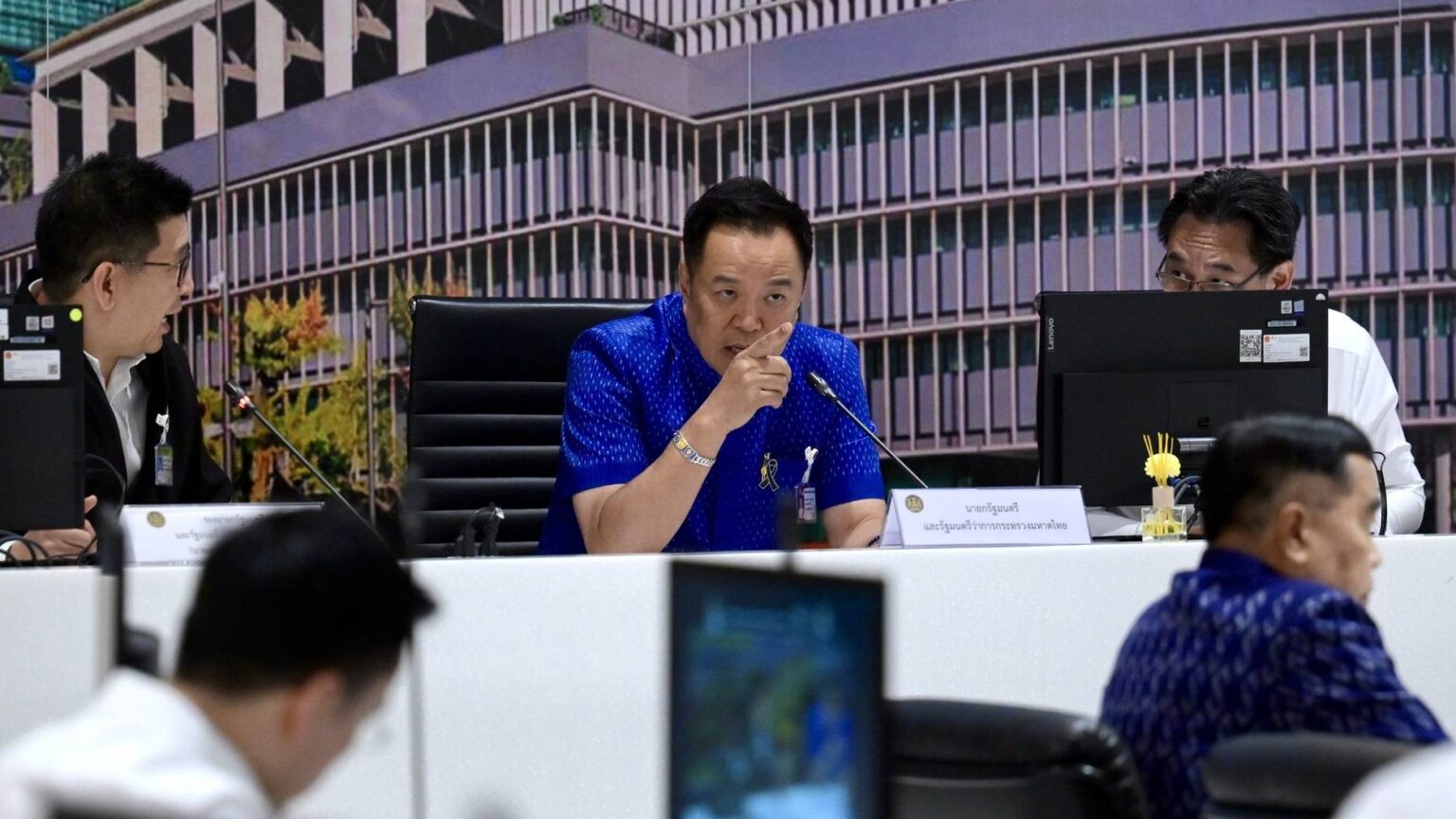
Thai authorities have tightened screening and stepped up enforcement, including coordinated actions with foreign counterparts along border areas, the article notes. Some Chinese officials have publicly praised parts of these efforts and urged deeper cooperation. Yet the piece’s core judgment is that confidence has returned more slowly than enforcement activity and that “visibility” is the bottleneck. Without a central narrative supported by data and visible outcomes, improvements on the ground do not translate into restored consumer confidence on Chinese platforms, according to the business representatives quoted.
Thailand’s own headline tourism figures illustrate the sensitivity of the system to China-facing sentiment. Thai media citing the Ministry of Tourism and Sports reported that January–February 2026 foreign arrivals were down 4.2% year-on-year and tourism revenue down 0.6%, while China remained the largest source market in that period. In practice, that combination China still largest, but overall performance softening increases the political and commercial pressure to show that risk perceptions no longer match reality.
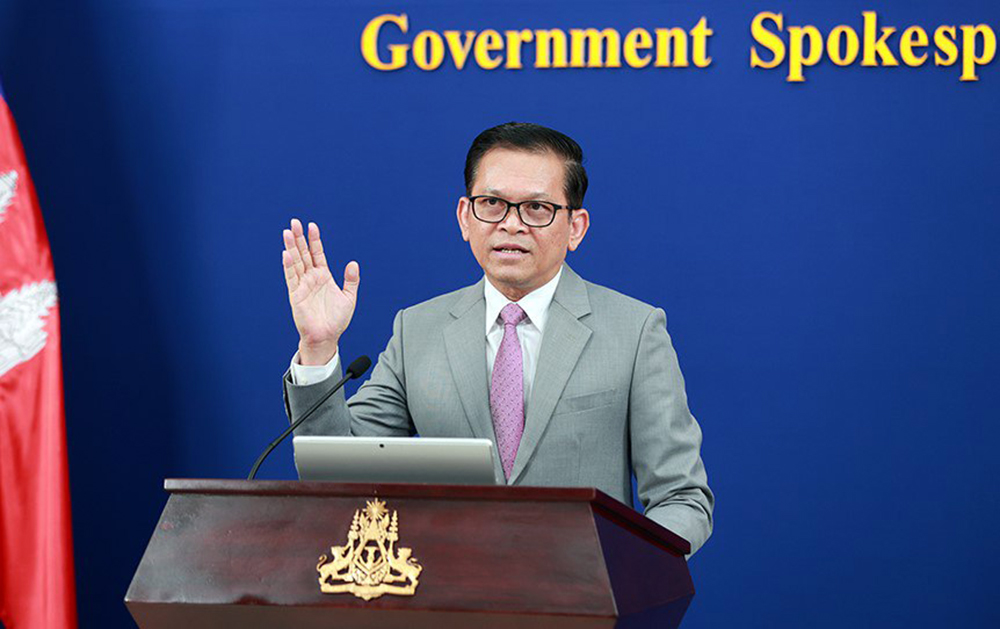
For Cambodia, the Thailand “trust gap” is not a spectator event. It is a warning about reputational contagion in a shared information ecosystem and a test of whether Cambodia can differentiate itself through verifiable enforcement outcomes rather than messaging. In the Chinese social-media environment described, geography can blur quickly, and the broader Mekong subregion can be framed as a single “scam corridor.” If that happens, Cambodia faces the same discount logic Thailand is experiencing: a higher perceived risk premium that reduces tourism willingness-to-travel and pushes real estate demand toward smaller ticket sizes and higher required yields.
The regional enforcement context also raises the stakes. China’s state media has described large-scale anti–telecom fraud and online gambling operations under the “Safe Lancang–Mekong” framework involving multiple Mekong countries. While such reporting signals institutional prioritization, it also keeps the scam/trafficking narrative active and visible reinforcing, rather than retiring, the risk frame in consumer consciousness unless accompanied by credible, repeatable, public-facing metrics of improvement.
Cambodia’s opportunity, if any, is conditional: it is not simply to “capture displaced demand,” but to capture demand that is willing to pay without a steep risk discount. That requires differentiation that the Chinese consumer and investor can recognize consistent enforcement outcomes, transparent prosecution and victim-protection processes, and sustained China-facing communication that is factual, time-series-based, and demonstrably linked to results. The Thailand case described suggests that broad policy statements are insufficient; what moves sentiment is visible signals that persist over months.
The structural risk for both countries is a slow reset in baseline expectations. Colliers’ forecast cited in the article expects Chinese transaction volumes in Thailand to remain 30–35% below 2019 levels through 2026 and 2027, implying a multi-year normalization cycle rather than a seasonal rebound. In that environment, Thailand’s challenge is not rebuilding demand from scratch, but restoring the trust that previously made it the region’s easiest default choice. Cambodia’s challenge is to avoid being priced into the same risk bucket and to build the institutional legibility needed to keep enforcement progress from being drowned out by the next viral clip.
Sources and attribution: This report draws primarily on the March 5, 2026 PropertyGuru Asia Property Awards/Asia Real Estate Summit article by Liam Aran Barnes (citing Colliers and industry indicators), Thai media reporting of Ministry of Tourism and Sports figures for January–February 2026, and regional context from China state-media reporting on Mekong anti-fraud operations. Information about the Wang Xing case is based on international press reporting from January 2025.
Editor’s note (verification discipline): Several key data points in the PropertyGuru/Asia Real Estate Summit piece are attributed to Colliers advisory analysis. For full audit-grade publication, obtain the underlying Colliers note or dataset for methodology and definitions, including the Shanghai Pudong exit polling sample and the air-capacity baselines.