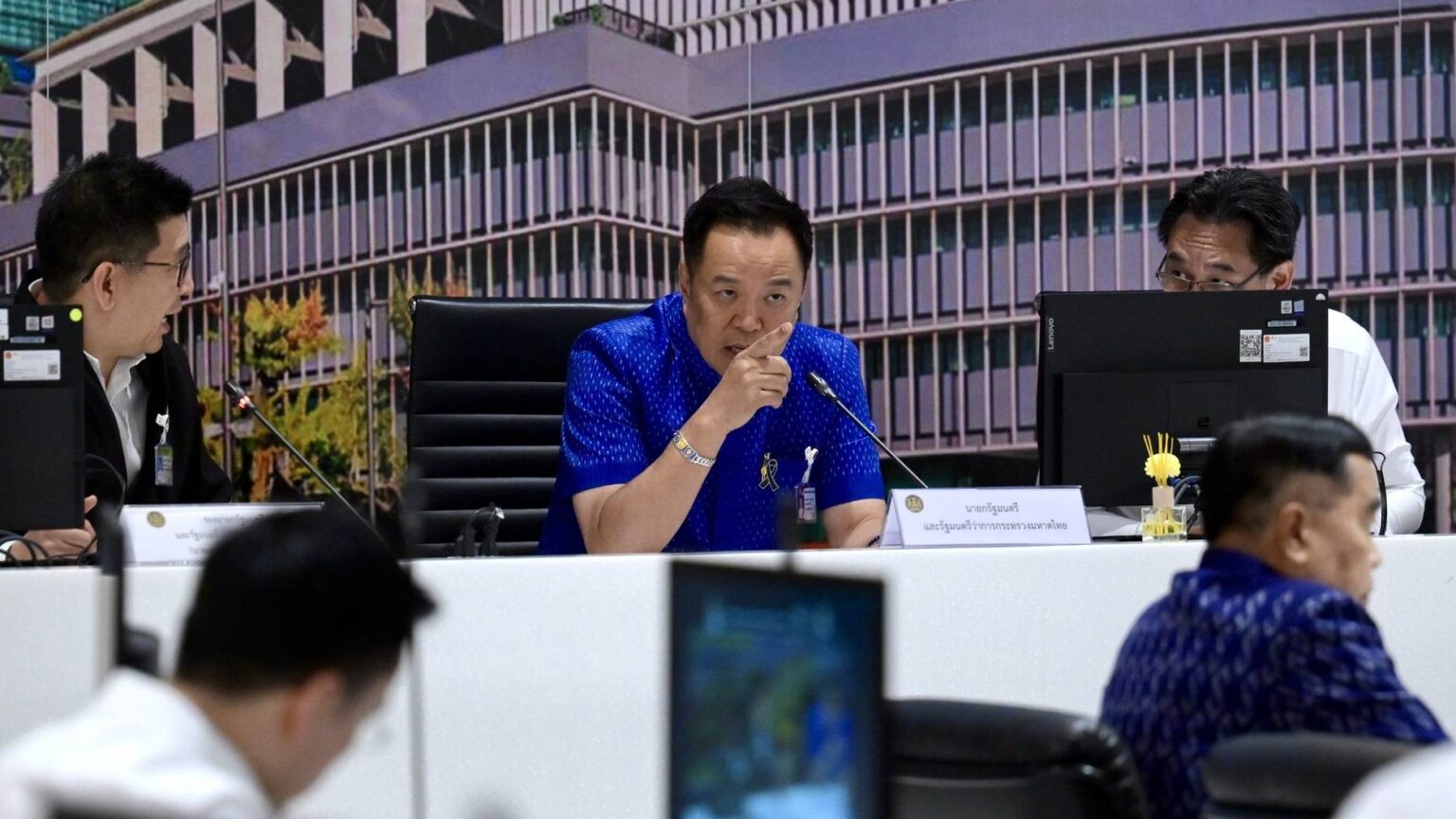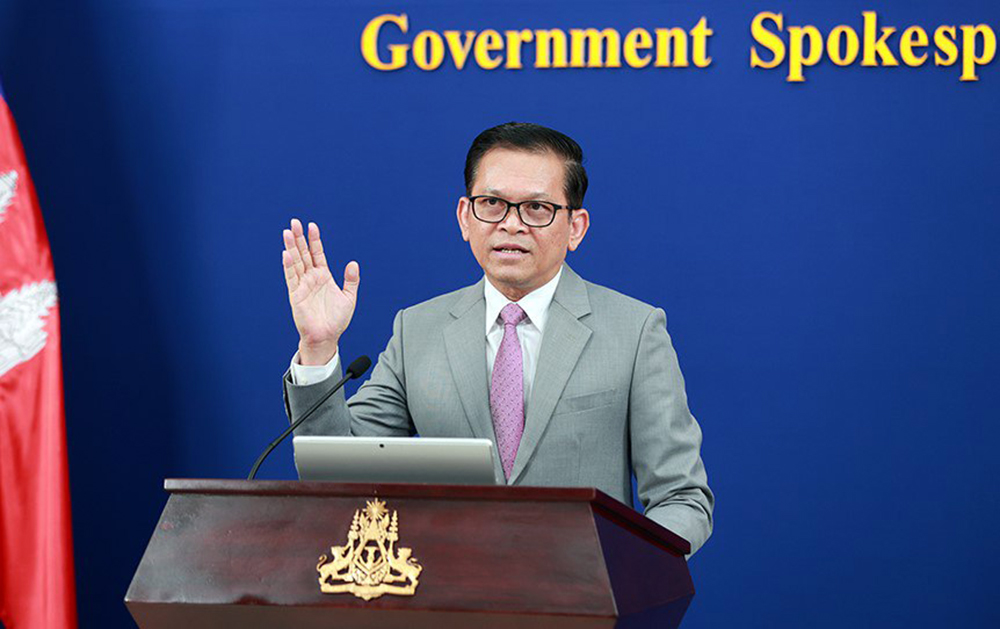
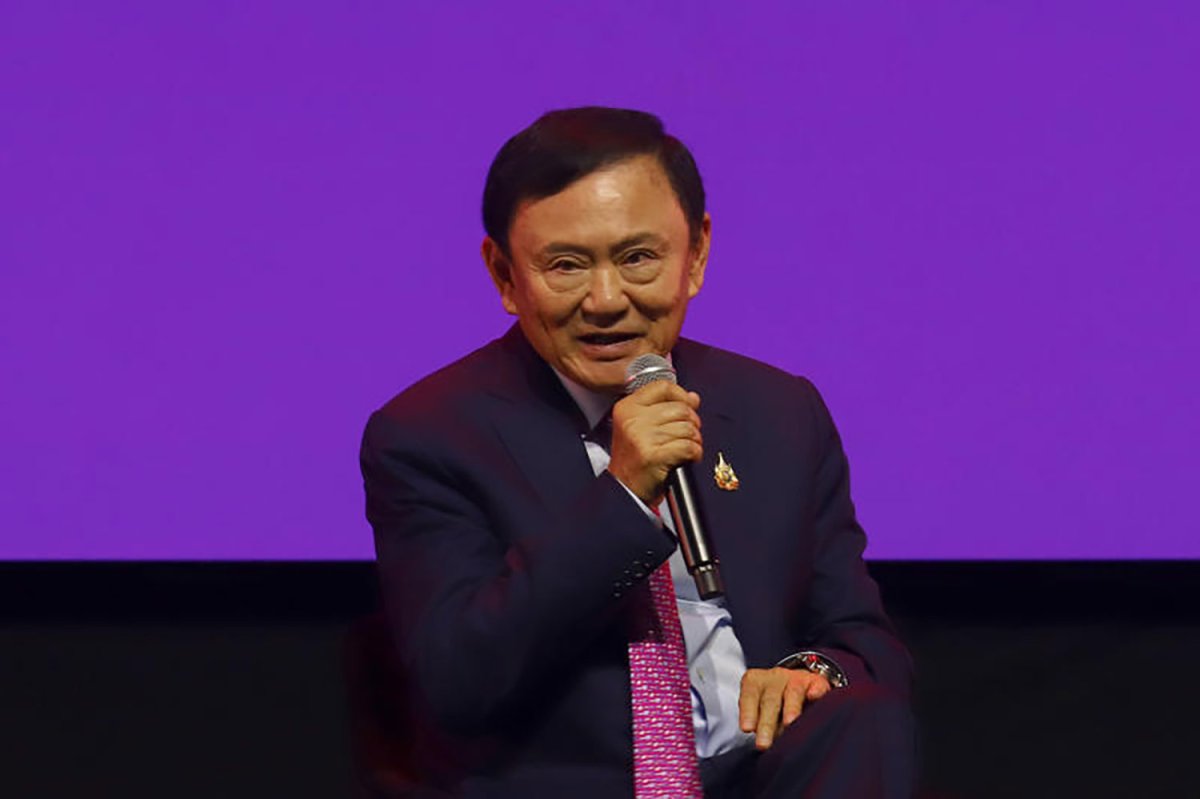
Bangkok / March 13, 2026 – Thailand’s justice ministry said on March 13, 2026 that it has not yet received a formal parole request for former prime minister Thaksin Shinawatra, even as he approaches the legal threshold for review after serving most of a one-year prison sentence imposed last year.
Justice Minister Pol Lt Gen Rutthapon Naowarat said any parole consideration would proceed through the country’s standard corrections procedures, stressing that the case must pass through a multi-stage administrative review before reaching the ministry.
“The process will follow normal regulations and committee procedures,” the minister said, according to local media reports, adding that the ministry has not yet received a request from the Department of Corrections.
Sentence Origin and Legal Reset
Thailand’s Supreme Court ordered Thaksin to serve a one-year prison term on Sept. 9, 2025, following rulings in corruption-related cases connected to his 2001–2006 premiership.
The decision came after controversy surrounding his detention following his return to Thailand in August 2023, when he spent months receiving treatment in a police hospital facility rather than remaining in a conventional prison ward.
In its September 2025 ruling, the court determined that the hospital stay was not a lawful substitute for imprisonment and ruled that the time spent there could not be counted toward the sentence, effectively resetting the custodial clock.
Thaksin has since been held at Klong Prem Central Prison in Bangkok, where the one-year term formally began.
Parole Eligibility Timeline
Under Thailand’s Corrections Act B.E. 2560 (2017) and related ministerial regulations, prisoners may be considered for parole once they have served the required portion of their sentence, depending on behavior, classification status and administrative review.
Corrections authorities say Thaksin’s eligibility will fall on May 10, 2026, when he will have served 244 days — approximately two-thirds of the 365-day sentence.
If approved through the review process, the earliest possible release date would be May 11, 2026.
Officials say the calculation follows standard corrections practice in which the first day of imprisonment counts as a full day served.
Three-Tier Committee Review
Authorities have emphasized that the case must pass through three levels of review designed to ensure procedural neutrality:
- Prison-level committee at Klong Prem Central Prison, which evaluates the prisoner’s discipline record, behavior and health status.
- Department of Corrections (DOC) subcommittee, which verifies sentence calculations and administrative eligibility.
- Final Justice Ministry review committee, chaired by a senior ministry official and including representatives from multiple agencies.
The ministry has repeatedly highlighted this structure, saying the system ensures the decision is made “in accordance with regulations and without discrimination.”
Administrative Preparation Underway
Corrections officials say the list of prisoners eligible for the May parole cycle is normally prepared one to two months in advance, meaning candidate files are typically submitted between mid-March and April.
While Thaksin appears to meet the time-served threshold cited by authorities, the Department of Corrections has not publicly confirmed his final prisoner classification, which plays a role in determining sentence reduction rates and parole priority.
Officials have also indicated that electronic monitoring bracelets are generally not required for short sentences, although any parole decision must still receive final approval from the ministry committee.
Activist Petition Challenging Early Release
The potential parole review has drawn scrutiny from activist groups.
In January 2026, the Network of Students and People for Thailand’s Reform (NSPRT) filed a petition urging authorities to closely examine Thaksin’s eligibility.
The group argued that the review should consider the circumstances surrounding his earlier hospital detention and ensure that any release decision is based on a transparent legal assessment rather than the time served alone.
Justice ministry officials said the petition has been forwarded for internal review and that a formal response is still being prepared.
Transparency Questions Remain
Despite the government’s emphasis on procedural safeguards, several administrative details surrounding the review remain undisclosed.
Authorities have not released:
- Thaksin’s final prisoner classification,
- the membership of the Justice Ministry’s final parole review committee, or
- the internal Department of Corrections calculation sheet used to determine the eligibility date.
While such documents are not routinely published, the absence of these details has drawn attention from critics and observers given the earlier controversy surrounding Thaksin’s detention conditions.
Institutional Test for Thailand’s Justice System
For Thai authorities, the upcoming review represents a sensitive institutional moment.
The legal framework allows parole once eligibility thresholds are met, but the case remains politically charged due to Thaksin’s long-standing influence in Thai politics and the public scrutiny surrounding his earlier detention.
By emphasizing the committee review structure and procedural safeguards, officials appear intent on framing any eventual decision as a routine legal outcome rather than a political intervention.
What Comes Next
Several factors could shape the outcome as the May 2026 review period approaches, including:
- confirmation of Thaksin’s prisoner classification,
- the recommendation issued by the Department of Corrections, and
- the final decision of the Justice Ministry’s parole review committee.
Until those steps are completed, officials say the case remains an administrative review governed by Thailand’s corrections law.