BANGKOK, March 15 – Thailand is tying together hospitals, hotels, airlines and tourism agencies to build a wellness tourism ecosystem aimed at higher-spending foreign visitors, as the country looks for growth beyond mass arrivals.
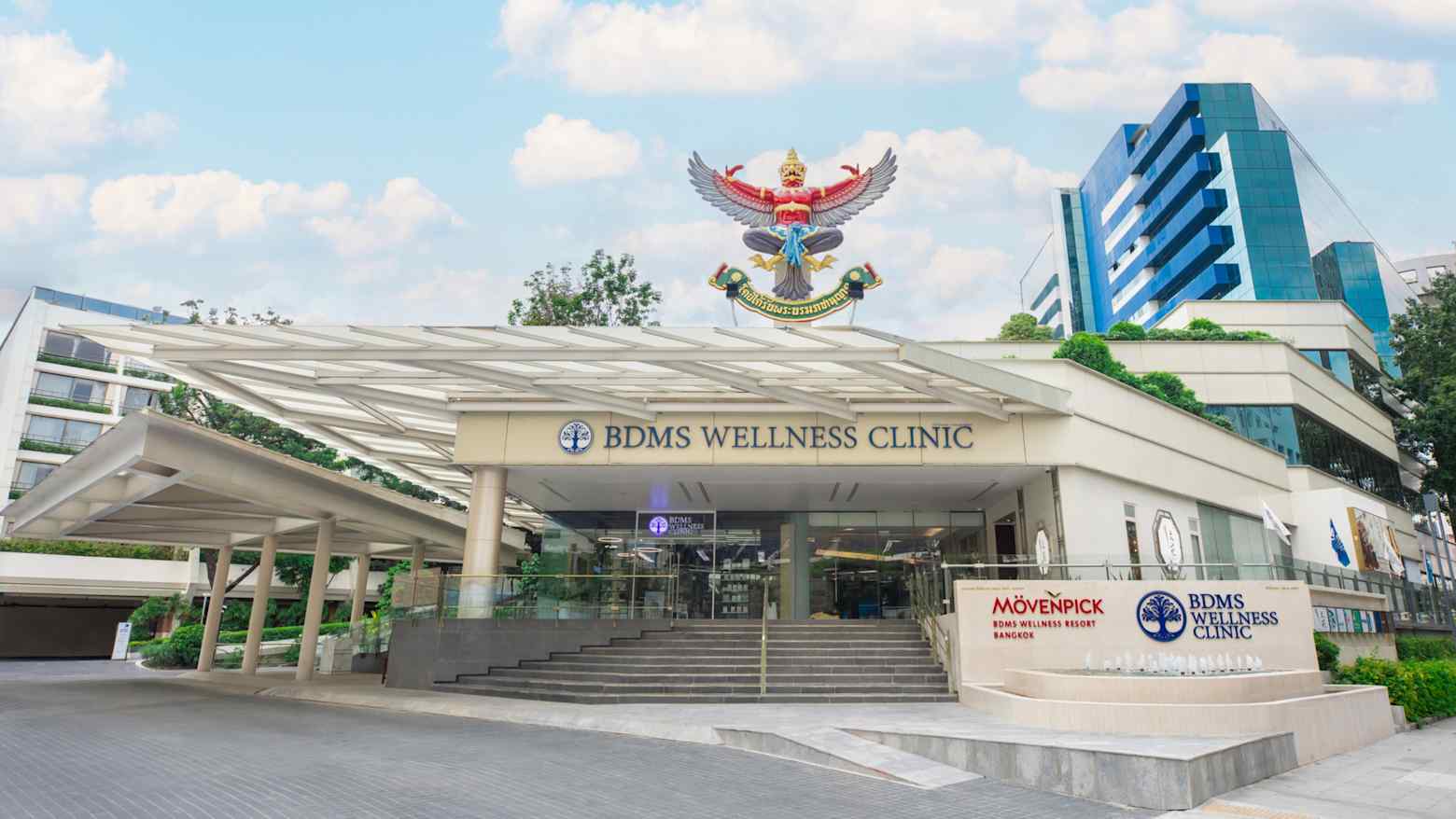
The effort is being led by Bangkok Dusit Medical Services, the country’s largest private hospital group. In February, BDMS launched Wellness Hub Thailand with more than 60 partners, including the Tourism Authority of Thailand, King Power and Dusit Thani Bangkok, according to the article. BDMS says it operates 60 hospitals.
The project’s first step is data sharing. After a customer undergoes tests at a BDMS hospital, partner hotels and spas will use that information to tailor follow-on services such as massage and other treatments, the article said.
The network also plans a shared points system, allowing rewards earned through consultations and treatments to be spent on affiliated products and services, including Bangkok Airways tickets and resort stays on Koh Samui, the article said.
The push comes as Thailand tries to raise value per visitor. Tourism-related industries account for about 20% of GDP, but foreign arrivals fell 7% in 2025, while GDP growth slowed to 2.4%, the weakest among Southeast Asia’s six largest economies, according to the article.
For BDMS, the strategy is also a revenue play. The company said about 30% of patients come from abroad, yet profit slipped 1% last year and revenue growth slowed to 4% from 7% a year earlier, the article said.
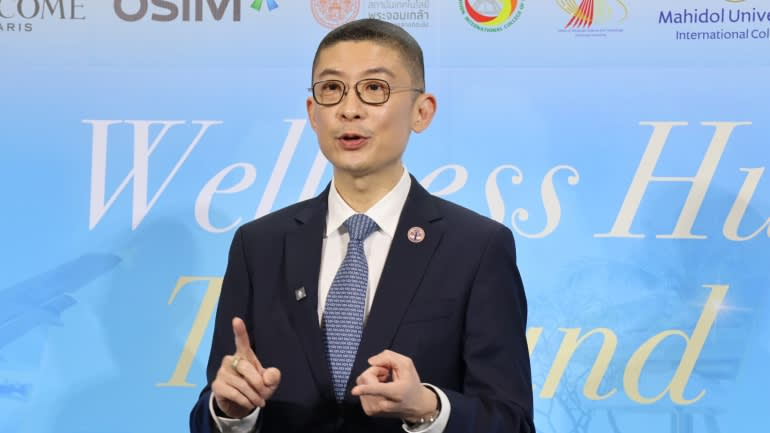
Wellness tourists are attractive because they stay longer and spend more beyond treatment. BDMS said those customers typically remain for two to three weeks and spend close to $10,000 on average, exceeding traditional medical tourists.
Thailand’s wellness tourism market reached $14 billion in 2024, according to the Global Wellness Institute, which said global wellness spending hit a record in 2023. Some projections in the pasted article say the market could reach $91 billion by 2030.
Rivals are moving in as well. Bumrungrad International Hospital said in December 2025 it would invest more than 4.3 billion baht in a Phuket facility less than 10 minutes from the airport, with the first phase scheduled for mid-2027.

Thailand’s broader strategy is “quality tourism”: fewer low-spending visitors, more affluent travelers, and wider distribution of tourism income. The same logic is shaping gastronomy tourism in places such as Phetchaburi, where authorities are promoting local cuisine and culture rather than volume traffic, according to the article.