BANGKOK, March 11 – Thai authorities have launched a criminal investigation into a cluster of coconut-processing and export companies in Ratchaburi province, alleging that foreign-backed nominee structures may have distorted procurement prices in Thailand’s aromatic coconut sector.
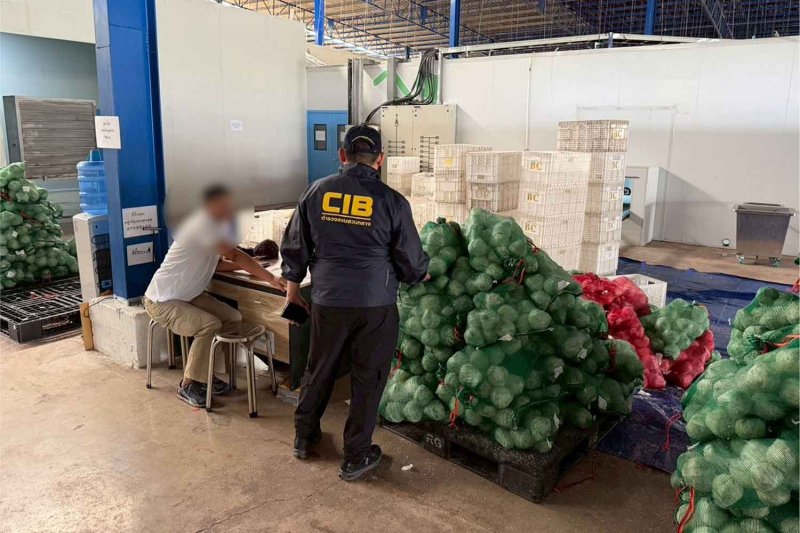
The probe follows coordinated raids on March 10 by the Central Investigation Bureau (CIB) and the Department of Business Development (DBD), which targeted eight firms suspected of operating businesses reserved for Thai nationals under the Foreign Business Act.
Officials say the companies may have used Thai shareholders as nominees while foreign investors exercised operational control over procurement, processing and export operations.
Authorities identified 10 Thai nationals believed to have served as shareholders or directors across multiple companies linked to the investigation, while seven foreign nationals were also implicated, according to law-enforcement statements reported by Thai media.
The companies named in the operation include De Wang, Hetaisheng International, Longman Coconut, Thaichoengta Trading, Zhan Hui Raya, Mu Xian Yuan (Thailand), Easy Coconut and Fly Coconut.
Investigators seized accounting records, electronic devices and other financial documents during searches of coconut-processing facilities and packing houses in Ratchaburi’s Damnoen Saduak and Bang Phae districts, a key production hub for Thailand’s aromatic coconuts.
Authorities said the evidence would be examined for potential violations of the Foreign Business Act, including the use of Thai nominees to circumvent restrictions on foreign participation in certain agricultural procurement activities.
The crackdown comes as farmers in the region face a sharp drop in farm-gate prices over the past year, raising concerns among officials that supply-chain distortions may be contributing to market instability.
Government data cited by the Department of Business Development show that Thailand’s aromatic coconut exports fell in value from about 9.9 billion baht ($275 million) in 2023 to roughly 6.5 billion baht in 2025, even as production volumes increased.
Officials say the trend reflects a combination of factors, including rising output, increased competition from regional producers such as Vietnam and possible structural imbalances in the export supply chain.
China remains the largest destination for Thai aromatic coconuts, though Thai officials say the country’s share of the market has declined in recent years as exporters seek to diversify toward the Middle East, Europe and the United States.
The investigation has drawn attention to the structure of the coconut trade in Ratchaburi, where many processing and packing operations are clustered around the Damnoen Saduak canal network that historically served as the country’s main aromatic coconut growing area.
Authorities said the inquiry will also examine whether companies involved in the trade misreported financial results or underpaid taxes, though no formal charges have been publicly disclosed beyond suspected violations of the Foreign Business Act.
The Department of Business Development said it had previously identified 15 companies suspected of using nominee shareholders in the sector and had referred the cases to law-enforcement agencies for further investigation.
Officials stressed that the investigation remains ongoing and that allegations against the companies have not yet been proven in court.
Industry groups say the collapse in farm-gate prices has pushed many growers below production costs, prompting the government to consider additional measures to stabilize the market and diversify export destinations.
The outcome of the probe could have broader implications for Thailand’s agricultural export sectors, where authorities have in recent years stepped up scrutiny of nominee shareholding arrangements involving foreign investors.