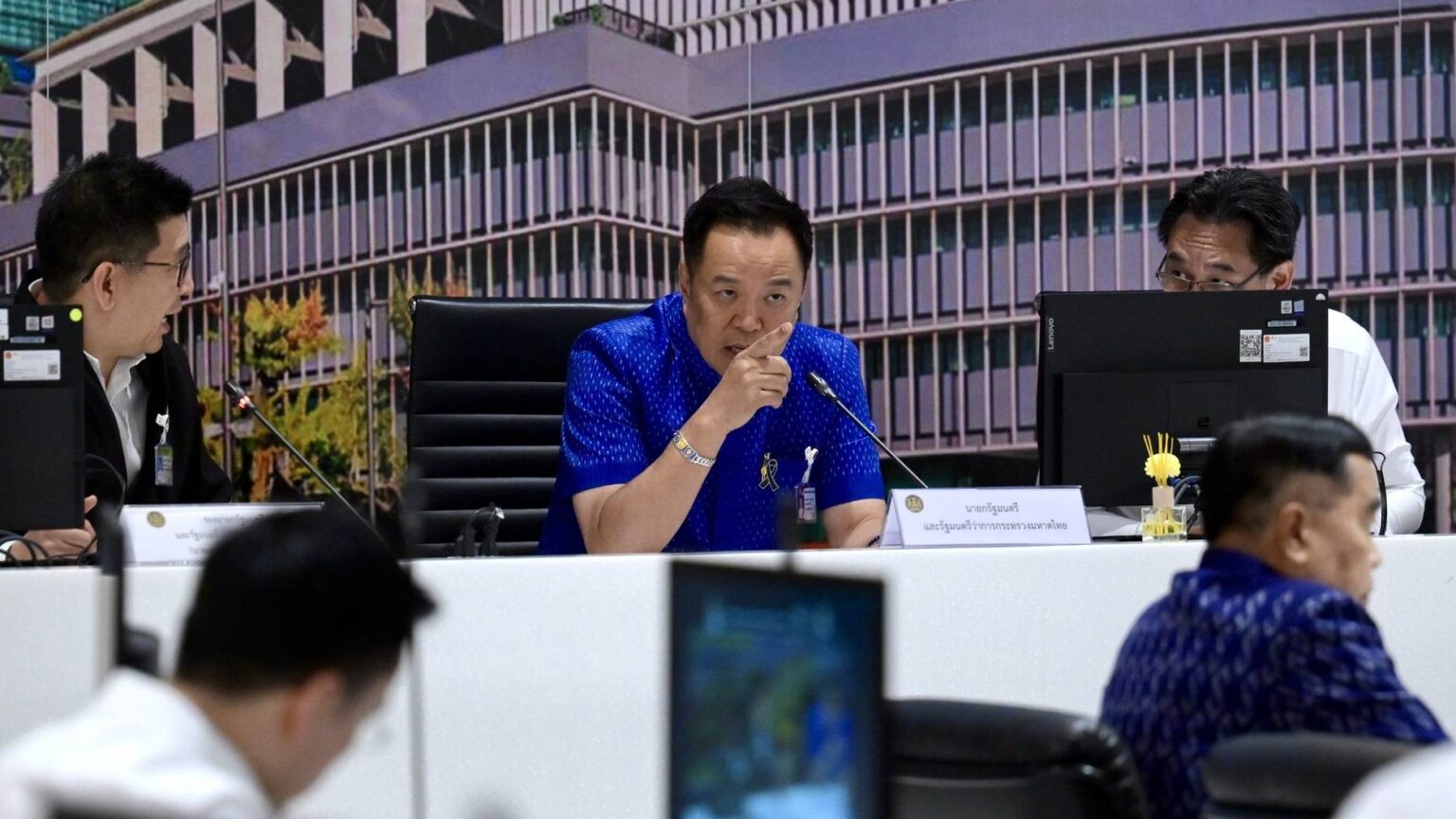
BANGKOK, March 10 – Thailand has ordered civil servants to work from home where possible and introduced a series of energy-saving measures across government offices as Bangkok moves to conserve fuel amid supply pressure linked to conflict in the Middle East, officials said on Tuesday.
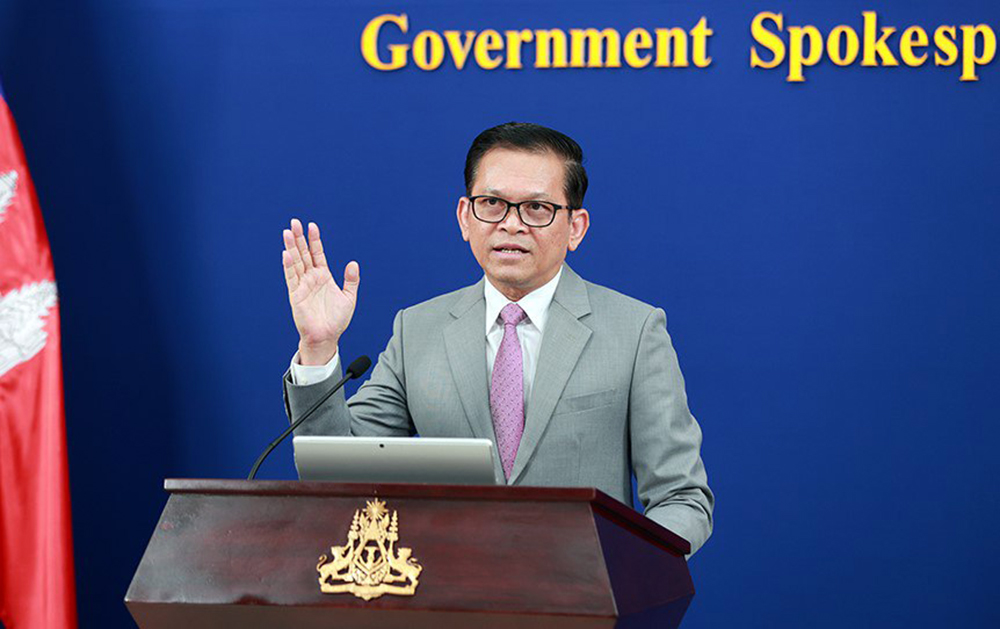
Government spokesperson Lalida Periswiwatana said the measures took effect immediately and include suspending overseas trips by officials, limiting electricity use in state buildings and raising air-conditioning temperatures to between 26 and 27 degrees Celsius. Officials were also encouraged to adopt lower-energy workplace practices such as using stairs instead of elevators where feasible.
Public-facing agencies will continue normal operations, the government said.
The move marks one of the most visible demand-reduction steps taken by Thailand since the latest energy shock emerged from instability in the Middle East, which has disrupted global supply chains and pushed governments to reassess fuel security.
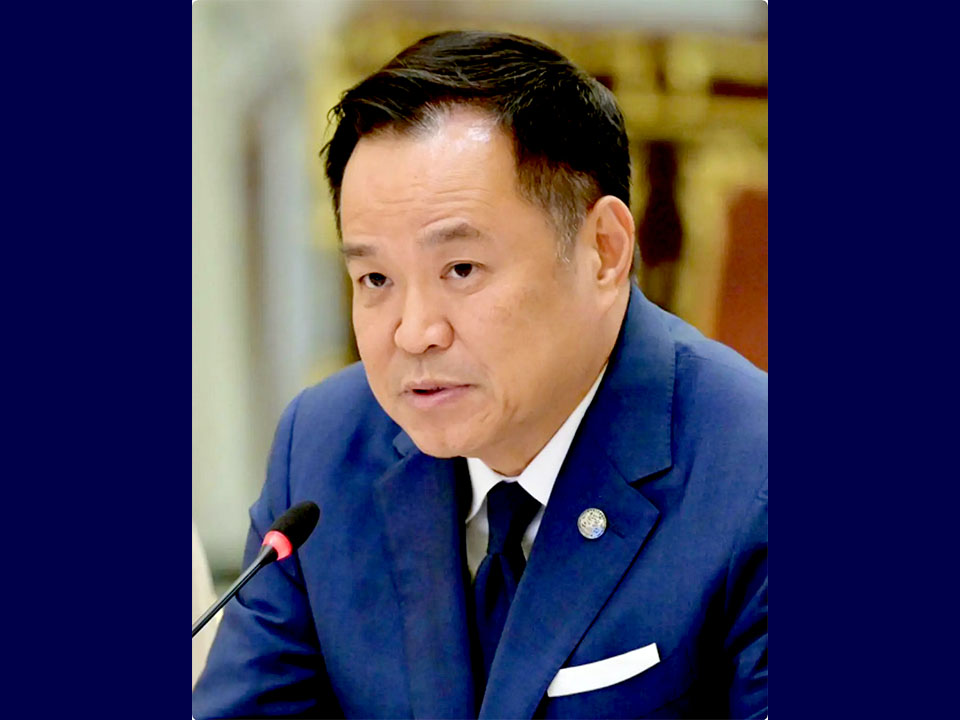
Energy Minister Auttapol Rerkpiboon said Thailand currently has about 95 days of energy reserves and is seeking additional liquefied natural gas supplies from the United States, Australia and South Africa to reinforce the country’s power system.
Thailand’s energy mix is heavily dependent on natural gas, which accounts for roughly 68% of total energy consumption, according to the Energy Regulatory Commission. More than half of LNG supply comes from domestic production in the Gulf of Thailand, while around 35% is imported, including about 13% from neighboring Myanmar.
In a separate step earlier this month, Thailand halted fuel exports to most countries in order to preserve domestic supply. The restriction exempts Laos and Myanmar, according to government orders reported by regional media and confirmed in subsequent reporting.
Officials said the government is prioritising conservation within the state sector before considering wider restrictions on businesses or households.
However, authorities warned that if the situation deteriorates further, additional measures could be introduced, including reducing lighting on commercial advertising signs and requiring petrol stations to close earlier at night.
For now, the government is urging both public officials and citizens to cooperate with voluntary energy-saving measures, including reducing electricity use and carpooling.
The policy signals a shift toward administrative demand management as Thailand attempts to cushion the domestic economy from global energy volatility while securing alternative fuel supplies.