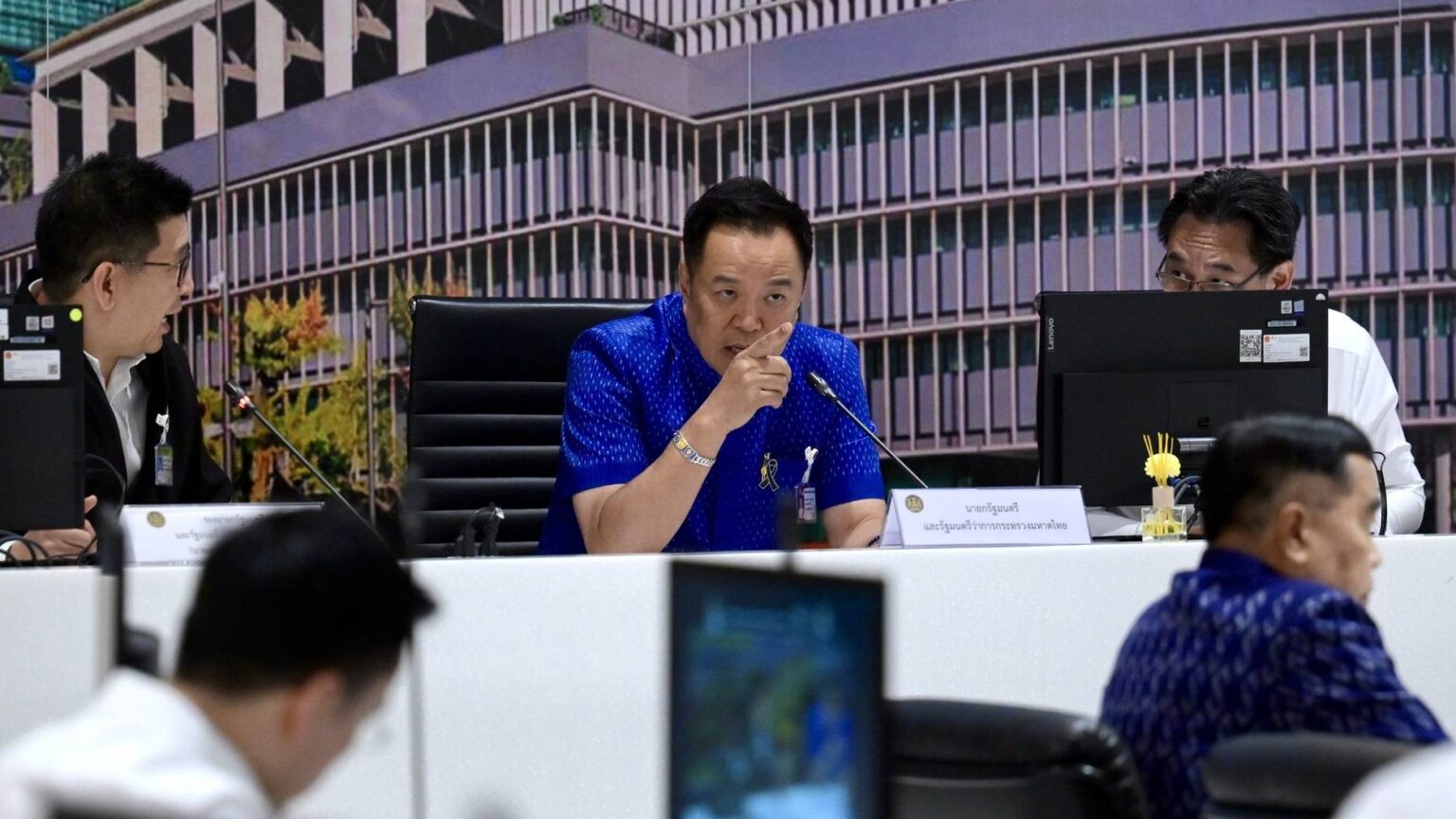
Thailand has moved to protect domestic energy supplies and contain price pressures as the escalating conflict involving the United States, Israel and Iran threatens to push up oil costs, disrupt transport routes and weigh on tourism and exports. The government says it has about 61 days of oil supply available when inventories and cargoes already in transit are combined, while ministers have ordered emergency measures including a curb on fuel exports and temporary diesel price support.
The Energy Ministry said Thailand held 4.925 billion litres of crude oil and refined products in storage as of February 23, enough for 38 days of domestic demand, with a further 2.87 billion litres in transit covering another 23 days. Officials said contingency plans were being prepared in case disruption around the Strait of Hormuz persists, including sourcing from alternative suppliers and increasing domestic gas production where possible.
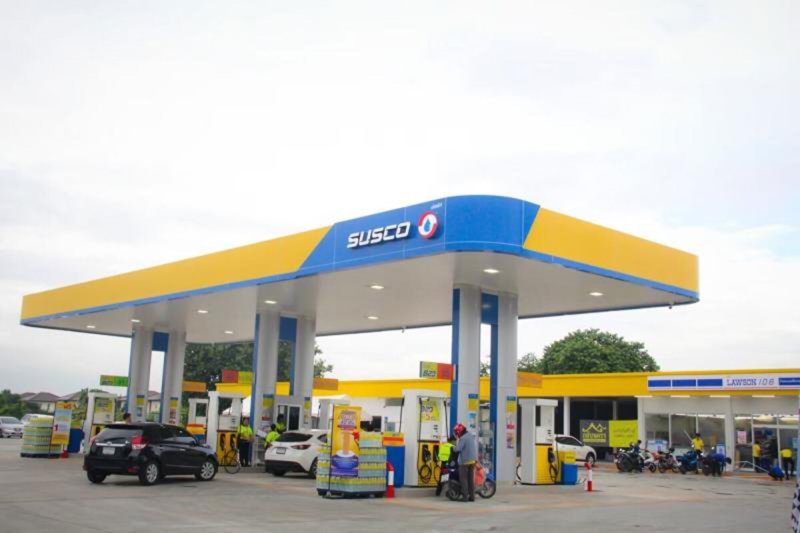
To conserve supply, Thailand has suspended petroleum exports and activated an emergency monitoring mechanism to track reserves, prices and alternative sourcing options. The government has also leaned on the Oil Fuel Fund to hold diesel at 29.94 baht per litre for 15 days, part of a broader effort to limit the pass-through from volatile global energy markets into transport and living costs.
The economic risk extends beyond fuel. Thailand’s export-oriented economy remains vulnerable to any slowdown in global demand or shipping disruption, while tourism faces renewed pressure from aviation disruption linked to Middle East airspace closures. Thai and international reporting indicate that long-haul travel flows have already been affected, with route suspensions, higher fuel costs and cancelled flights complicating travel patterns.
The timing is difficult for Bangkok. Thailand’s finance ministry said in January it still expected 2026 growth of 2.0%, with tourism and domestic demand helping offset external weakness, while official planning projections last month pointed to growth of 1.5% to 2.5% this year. A prolonged energy shock would test that outlook by raising costs across manufacturing, logistics and household consumption at the same time.
For now, the government’s message is that supplies remain manageable and intervention tools are in place. But the structure of the response suggests Bangkok is preparing for more than a short-lived market scare. The reserve figure is partly dependent on cargoes already moving toward Thailand, meaning the margin for comfort narrows if regional conflict further disrupts shipping lanes or extends the current oil price spike.