BANGKOK, March 2026 – Thailand is emerging as one of Southeast Asia’s most economically exposed countries to a prolonged disruption of oil flows through the Strait of Hormuz, as rising energy prices, aviation disruption and shipping instability threaten to strike three of the country’s core economic pillars simultaneously.
Across ASEAN, governments are already responding to the Middle East conflict with emergency fuel-saving measures and economic contingency planning. But analysts say Thailand’s structure makes it uniquely vulnerable because the shock propagates through energy imports, international tourism and export logistics at the same time.
The overlap places Thailand near the top of the region’s exposure ranking if tensions in the Gulf persist.
Triple-Channel Shock
The transmission mechanism affecting Thailand can be understood as three overlapping channels.
Energy prices,
aviation and tourism,
and trade logistics.
Each channel alone would be manageable.
Together they form a compound external shock.
Energy Dependence Creates the First Pressure Point
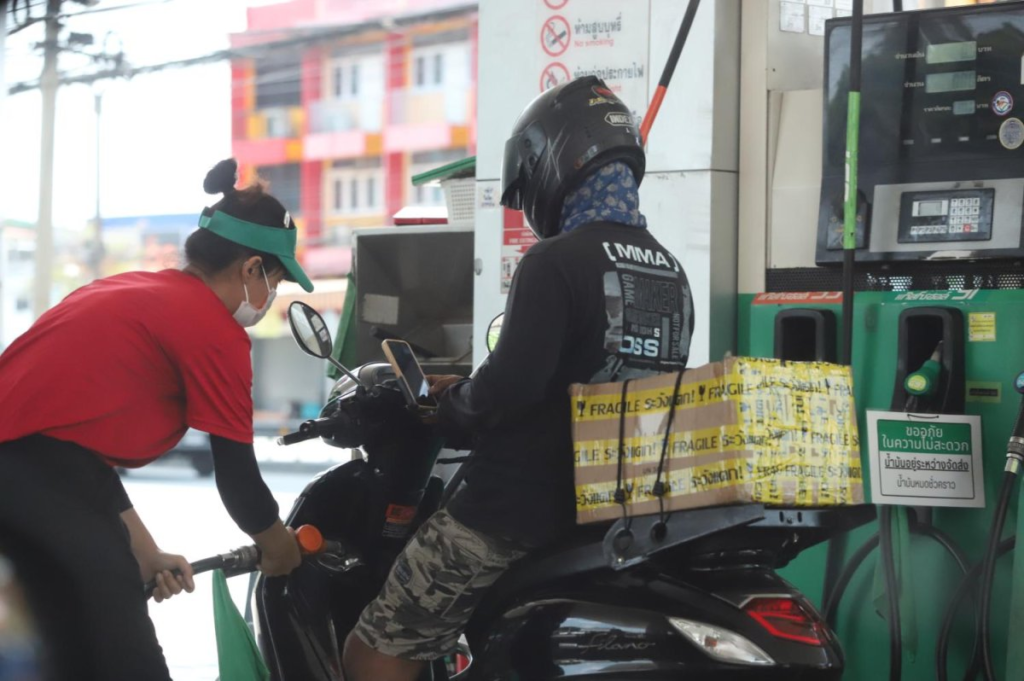
Thailand relies heavily on imported energy, particularly crude oil and refined fuels.
Thai authorities say the country maintains roughly 95 days of oil supply coverage, combining commercial inventories with secured additional shipments intended to cushion short-term supply disruptions.
But rising global oil prices still feed quickly into domestic costs.
The Bank of Thailand has estimated that a $10-per-barrel increase in oil prices could reduce economic growth by around 0.1%–0.15%, reflecting the pass-through into transport costs, production expenses and household consumption.
That estimate captures only the direct energy effect. Economists say the broader economic risk lies in the secondary channels triggered by higher fuel prices and supply disruptions.
Tourism Adds a Second Layer of Vulnerability
Unlike many ASEAN economies, Thailand depends heavily on tourism as a driver of growth.
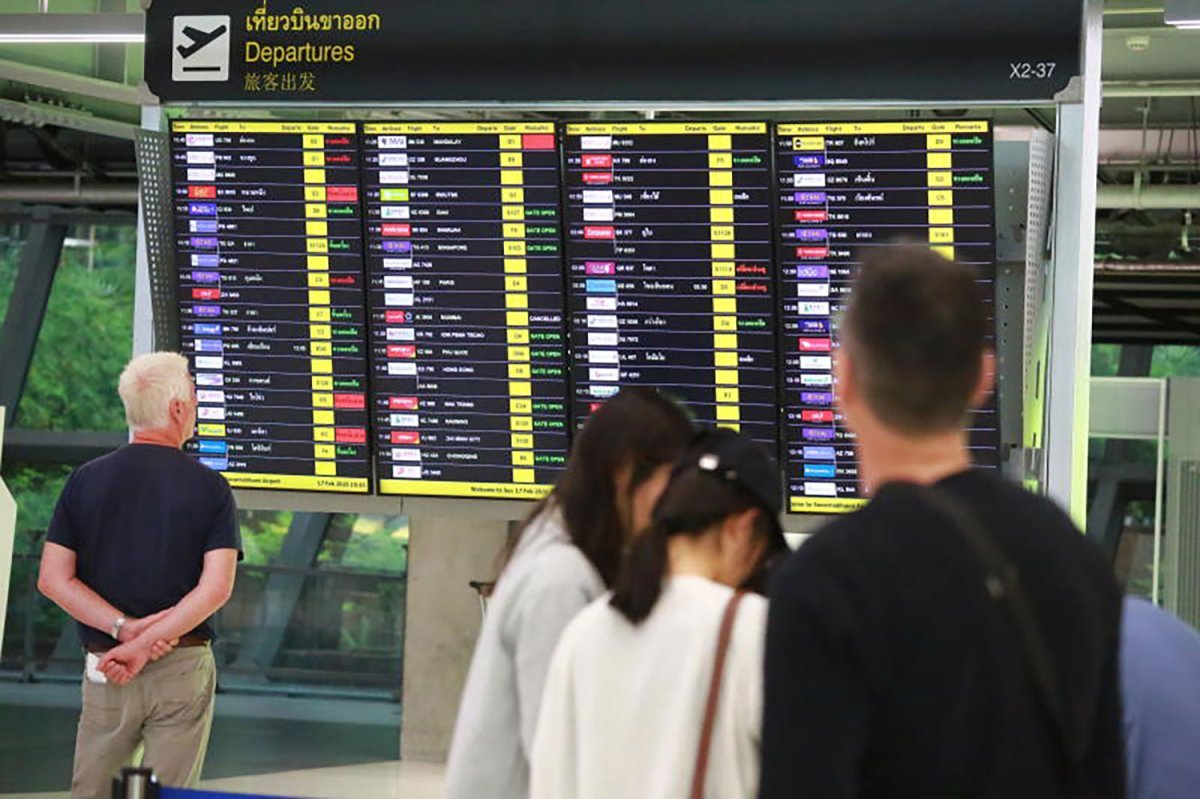
Long-haul travelers from Europe and the Middle East account for a significant share of tourism spending. Early-March data already suggest deterioration in that segment as the conflict disrupts aviation routes and pushes airfares higher.
Government statistics show 7.24 million foreign visitors arrived between January and early March, but European arrivals dropped sharply during the same period.
Air travel between Europe and Southeast Asia frequently routes through Gulf hubs such as Dubai, Doha and Abu Dhabi.
When instability affects those hubs or surrounding airspace, airlines face longer routes, higher fuel costs and capacity constraints. Those changes often translate quickly into higher ticket prices and weaker long-haul travel demand.
For Thailand, that aviation disruption becomes a direct hit to a sector that contributes roughly one-fifth of the country’s economic activity when indirect effects are included.
Shipping Disruption Threatens Export Logistics
The third transmission channel comes through maritime trade.
Thailand’s economy is deeply integrated into global manufacturing and export supply chains, shipping automobiles, electronics, machinery and agricultural products across Asia, Europe and the Middle East.
Conflict-related disruptions to Gulf shipping routes and adjacent corridors have forced some carriers to reroute vessels, extend transit times and increase insurance premiums.
Industry groups warn that those changes could raise freight costs and delay shipments, particularly for exports bound for Europe and markets connected through Gulf logistics hubs.
While direct Thai trade with the Middle East represents a relatively modest share of total exports, the broader shipping disruption can ripple through global supply networks serving Thailand’s industrial base.
ASEAN Exposure Differs by Economic Structure
The broader regional impact depends on how each Southeast Asian economy is structured.
The Philippines faces particular exposure through electricity prices because of its dependence on imported liquefied natural gas, raising the risk of higher power costs and inflation.
Vietnam is vulnerable to rising fuel costs and manufacturing supply chains, where transport costs feed directly into export industries.
Indonesia faces fiscal pressure because the government absorbs part of the oil-price shock through energy subsidies while industrial sectors such as nickel production depend on imported inputs from the Middle East.
Singapore, although highly exposed to global trade and imported energy, benefits from deeper financial buffers and diversified supply chains that reduce macroeconomic vulnerability.
Why Thailand Ranks Near the Top
Thailand’s vulnerability is not defined by a single indicator.
Instead it stems from the convergence of three external channels at once.
Energy imports expose the country to global oil shocks.
Tourism makes the economy sensitive to aviation disruption.
Export manufacturing leaves it vulnerable to shipping delays and higher freight costs.
Few other ASEAN economies experience all three transmission mechanisms simultaneously.
Duration Will Determine the Impact
Economists say the ultimate economic effect will depend on how long instability persists in the Gulf.
A short disruption would primarily raise energy costs and temporarily affect airline routes.
A prolonged conflict could produce a wider cascade through tourism demand, shipping networks and export supply chains.
For Thailand, where economic growth has already been relatively modest in recent years, the convergence of those pressures could leave the country among Southeast Asia’s most exposed economies to a sustained Middle East energy crisis.