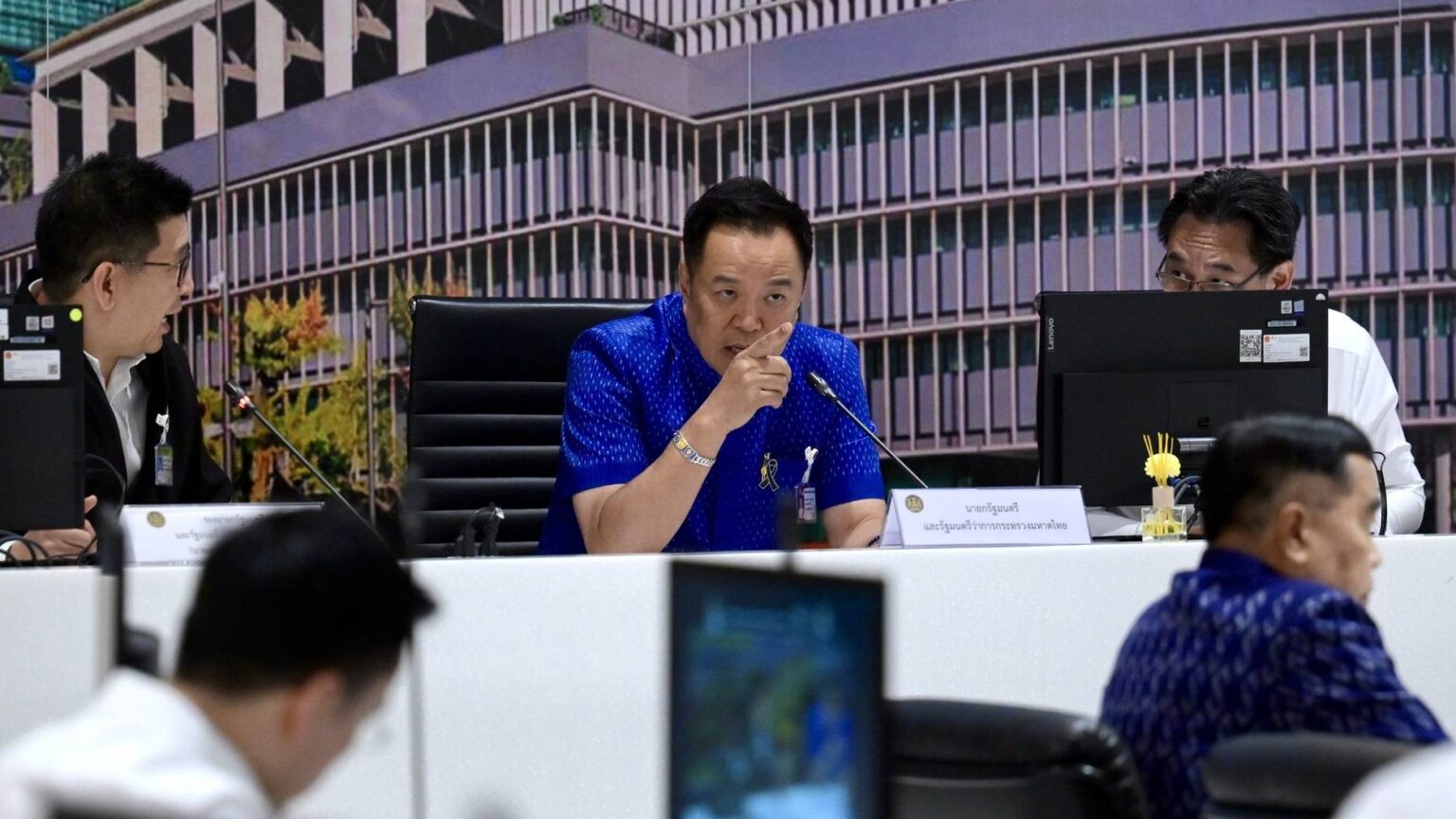
BANGKOK, March 9, 2026 – Thailand could lose as much as 40.9 billion baht in tourism revenue if Middle East airspace disruptions persist for eight weeks or longer, according to scenario estimates released by the Tourism and Sports Ministry, highlighting the sector’s exposure to external geopolitical shocks.
The ministry said the heaviest impact would fall on long-haul markets, particularly Europe and the Middle East, as airline operations remain constrained by the regional conflict and associated route disruptions. Permanent Secretary Natthriya Thaweevong said Gulf carriers including Emirates and Etihad Airways had resumed only limited services, leaving many routes affected.
Under the ministry’s worst-case scenario, foreign arrivals would decline by 595,874, including 429,809 fewer visitors from Europe and 146,419 from the Middle East, resulting in an estimated revenue loss of 40.9 billion baht.
A four-week disruption would reduce arrivals by 334,084 and cut tourism revenue by 21.5 billion baht, according to the ministry’s base-case estimate. If the disruption lasts three weeks or less, the ministry projects a decline of 210,973 arrivals and revenue losses of 13.1 billion baht.
Officials said the decline would primarily affect long-haul segments of the tourism market, which typically generate higher average spending per visitor. Short-haul travel within the region is expected to remain more resilient.
The ministry said higher oil prices, currency volatility and longer flight times could further weaken demand by pushing up airfares, particularly during the northern summer travel schedule. Authorities said Thailand would place greater emphasis on attracting travellers from Malaysia, India and South Korea to offset potential declines in long-haul arrivals.
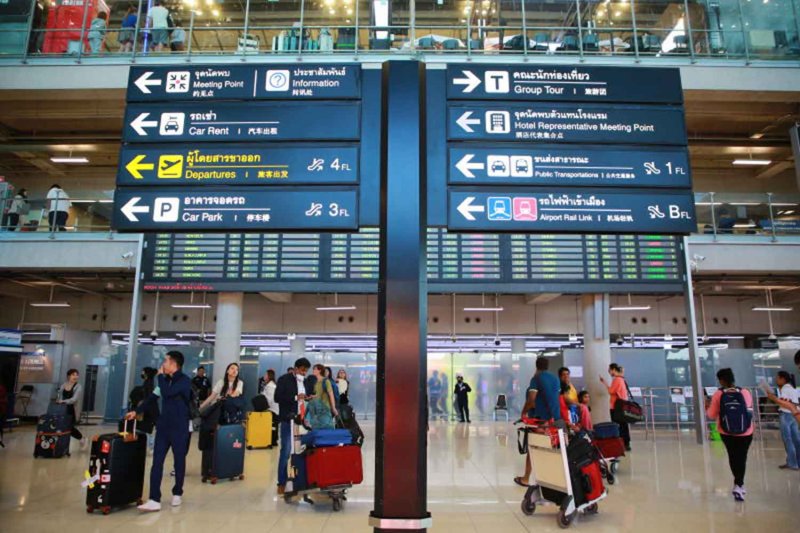
Between Feb. 28 and March 5, 409 flights to and from Thailand were cancelled, mostly at Suvarnabhumi Airport, according to the ministry. Officials said volunteers had been deployed at major airports to assist travellers affected by disruptions.
The situation has also affected outbound travel. The Tourism Department said some group tours were cancelled after airlines withdrew seats to accommodate stranded passengers from disrupted routes. In one case cited by officials, a tour programme to Busan scheduled for March 7-9 was cancelled after the airline reclaimed the group’s seat allocation.
Despite the disruption, officials said Thailand could also seek to position itself as an aviation hub linking Asia and Southeast Asia with Europe, depending on how airlines adjust routes and schedules during the conflict.
The ministry’s scenario planning reflects the importance of tourism to Thailand’s economy and the sector’s sensitivity to changes in international aviation routes and global geopolitical developments.