Thailand’s conservative establishment tightened its grip on parliament following the February 2026 general election, with the Bhumjaithai Party emerging as the largest force in the House of Representatives.
The Election Commission of Thailand certified 499 of 500 seats on March 4, allowing the new parliament to convene and begin government formation.
Official results show Bhumjaithai winning 191 seats, followed by the reform-oriented People’s Party with 120 seats and the Pheu Thai Party with 74 seats. The regional Kla Tham Party secured 58 seats, while the Democrat Party won 21 seats.
Turnout reached roughly 71%, reflecting strong voter participation despite political polarization.
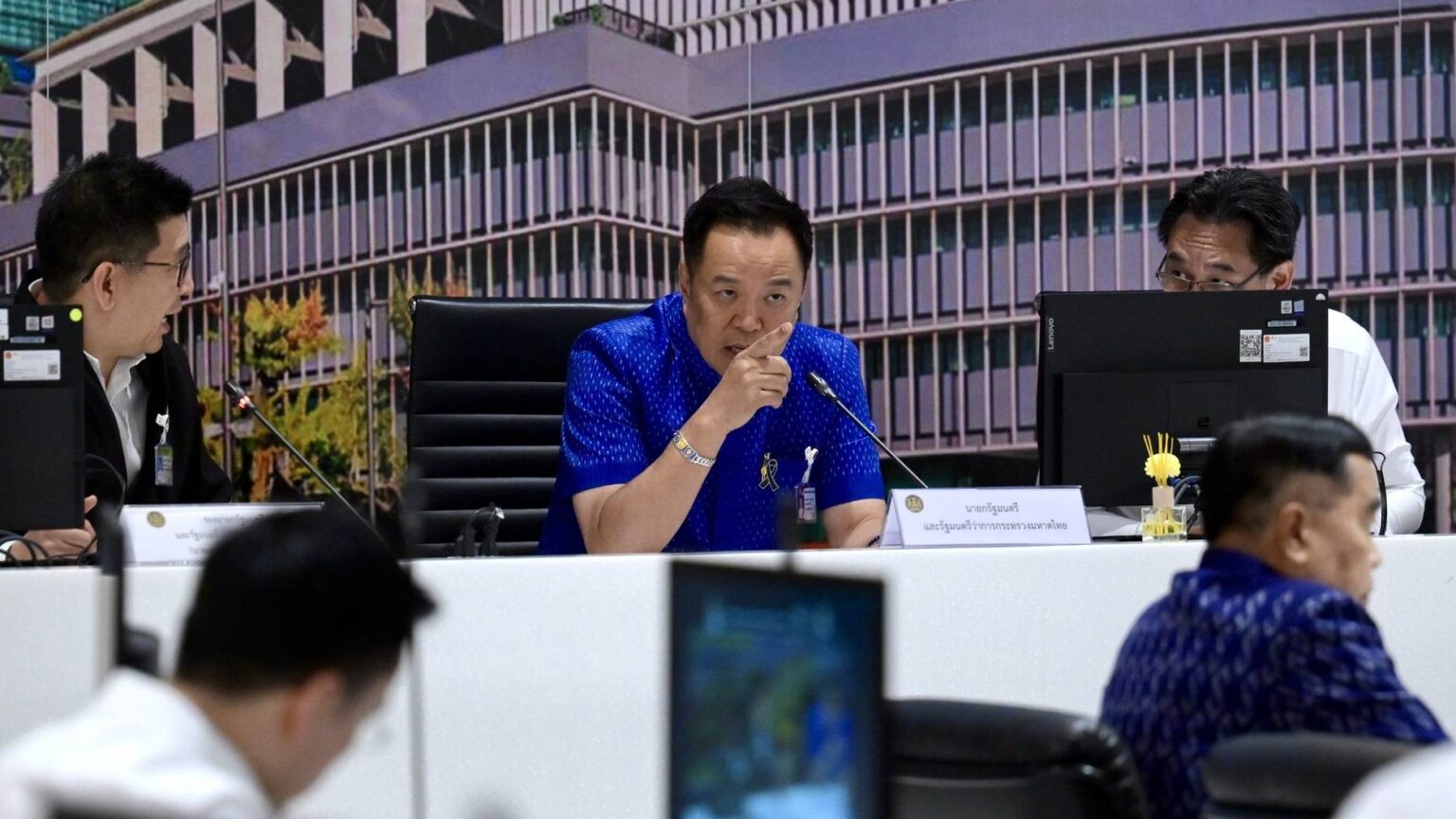
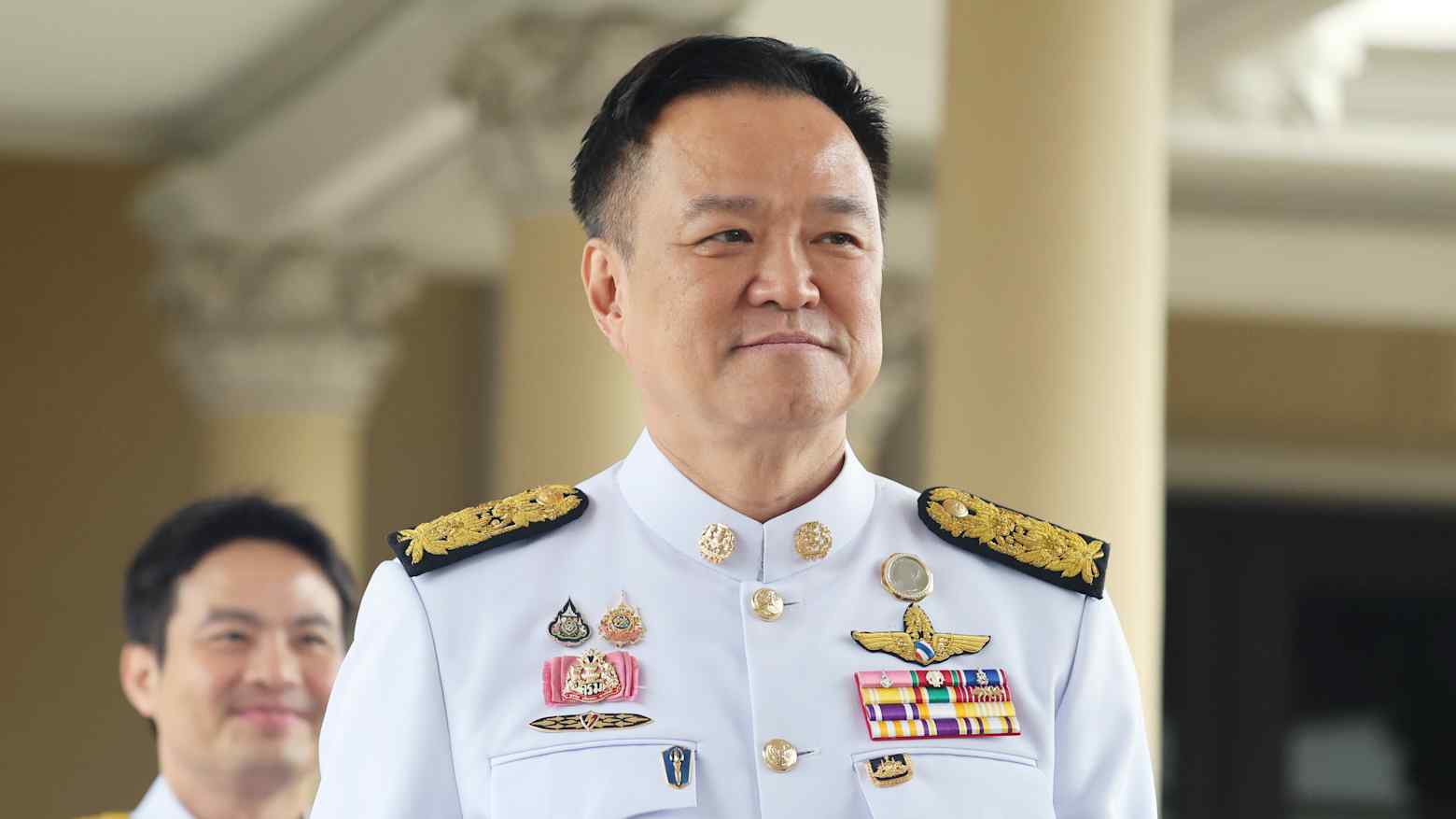
The result positions Bhumjaithai leader Anutin Charnvirakul to lead the next administration once lawmakers elect a prime minister and the cabinet is formally gazetted.
However, the election produced a mixed signal from the electorate.
On the same day voters elected a new parliament, they also approved the first step toward replacing Thailand’s military-era 2017 constitution.
According to the Election Commission, 21.6 million voters — or 60.16% supported drafting a new charter, while roughly 31% voted against the proposal. Turnout in the referendum stood at 69.65%.
The combined outcome highlights a central contradiction in Thailand’s political landscape: conservative parties have secured parliamentary dominance, while a majority of voters simultaneously endorsed opening the path toward structural constitutional reform.
Establishment shift
The 2026 election marks a significant shift in the country’s conservative political architecture.
In previous election cycles, establishment influence relied heavily on parties closely linked to the military, including Palang Pracharath and United Thai Nation. Both performed poorly in the latest vote.
Instead, Bhumjaithai known for its strong provincial networks and alliances with local political families has emerged as the primary electoral vehicle for the conservative bloc.
The shift suggests a transition away from military-backed political management toward a civilian patronage system capable of winning elections within Thailand’s parliamentary framework.
Cambodia tensions shape campaign
The election campaign unfolded against a backdrop of rising tensions with Cambodia following border incidents and disputes over maritime energy claims in the Gulf of Thailand during late 2025.
During the campaign, Anutin pledged to terminate the 2001 maritime memorandum of understanding governing overlapping energy exploration zones and proposed construction of a fortified barrier along parts of the Thai-Cambodian border.
Political observers say the dispute fueled nationalist sentiment during the campaign’s final weeks and helped strengthen conservative messaging, particularly in border provinces in Thailand’s northeast.
While the precise electoral impact of the Cambodia issue remains difficult to quantify without detailed district-level data, the dispute dominated political discourse in the closing stages of the campaign.
Reform support remains strong
Despite Bhumjaithai’s parliamentary advantage, reformist forces continue to command substantial national support.
The People’s Party, successor to the dissolved Move Forward movement, secured the largest share of party-list votes nationally and swept all constituency seats in Bangkok, highlighting a widening divide between urban reformist voters and the provincial networks that delivered Bhumjaithai its parliamentary plurality.
The referendum result reinforces that divide.
By endorsing the drafting of a new constitution while also supporting conservative parties in constituency contests, voters delivered a dual mandate: stability in government alongside continued pressure for institutional change.
Long constitutional process ahead
The referendum does not immediately produce a new constitution.
Thailand’s Constitutional Court ruled in 2025 that replacing the current charter requires several stages of public approval. Parliament must first approve the drafting framework and submit it to voters before a final constitution can be ratified in a subsequent referendum.
Critics argue that the proposed method for selecting members of the constitution-drafting body allowing lawmakers to nominate drafters rather than elect them directly could limit the scope of reform. Supporters say the multi-stage process protects institutional stability.
Government formation
A Royal Gazette decree issued on March 11 convened the new parliament for its first sitting on March 14.
Until a new cabinet is sworn in, Anutin remains caretaker prime minister while coalition negotiations continue.
The distribution of key ministries including finance, transport, and interior will become clear once the cabinet list is formally published in the Royal Gazette.
Economic challenges ahead
The incoming government will face a challenging economic environment.
The International Monetary Fund projects Thailand’s economy will grow around 1.6% in 2026, while household debt remains close to 87% of GDP, among the highest levels in Southeast Asia.
Slow growth combined with heavy household debt could limit the government’s policy flexibility and complicate efforts to stabilize the political landscape.
Unresolved political balance
The election suggests Thailand’s conservative establishment has found a more effective electoral strategy after years of political upheaval.
But the referendum result shows that public demand for constitutional reform remains strong.
For now, Thailand enters a new parliamentary cycle with a conservative government likely to take office and a constitutional debate that remains unresolved.