
BANGKOK, March 4, 2026 – Thailand’s Election Commission has certified 499 of 500 seats from last month’s general election, a procedural step that clears the way for the new House of Representatives to convene and begin forming a government.
Under electoral rules, parliament must meet within 15 days of certification. Lawmakers will elect a speaker and deputy speaker before voting for a prime minister, who will then form a cabinet.
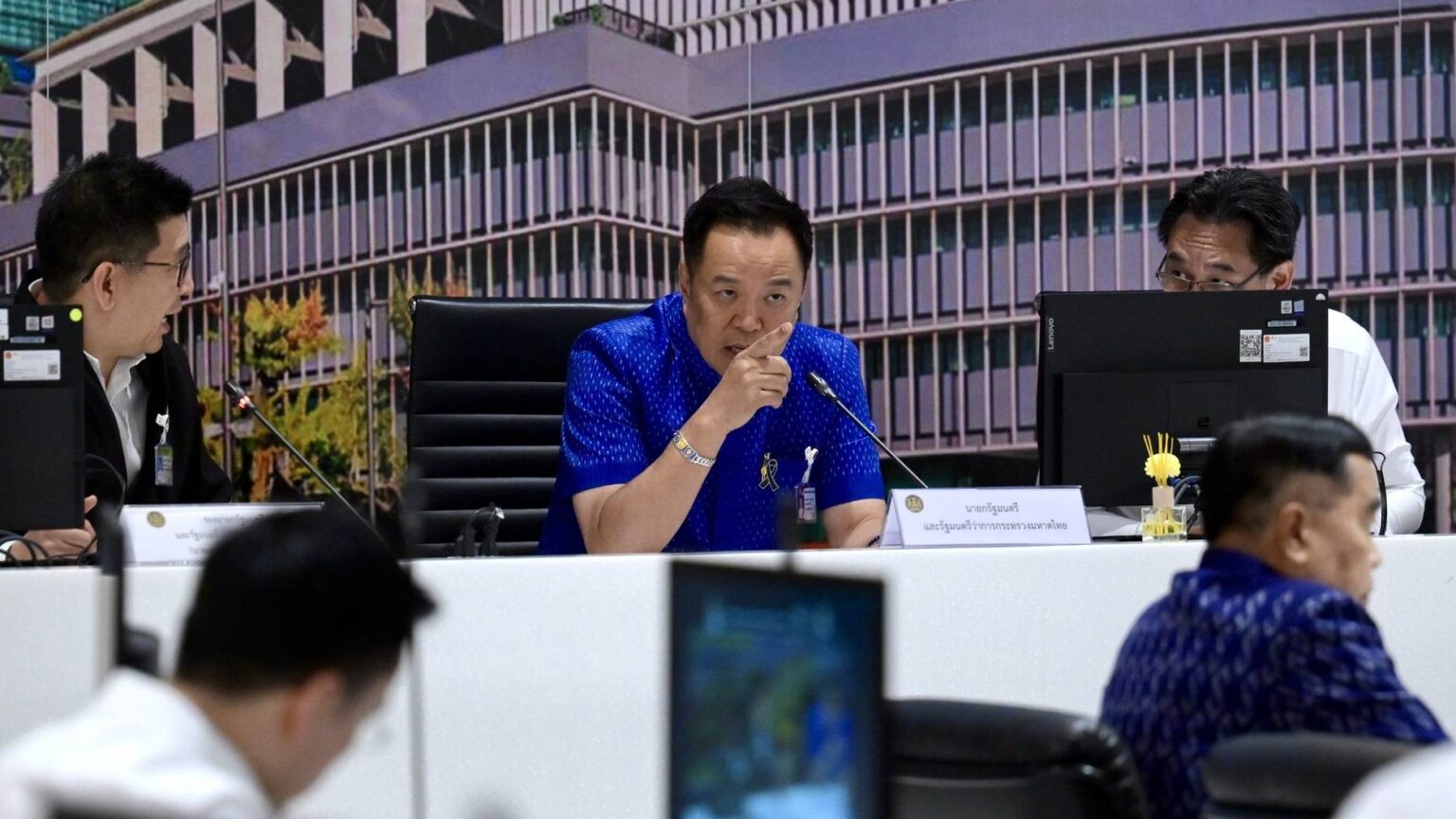
The certified results show caretaker Prime Minister Anutin Charnvirakul’s Bhumjaithai Party emerging as the largest bloc with 191 seats, followed by the People’s Party with 120, Pheu Thai with 74 and Kla Tham with 58.
Bhumjaithai has said it plans to form a coalition with Pheu Thai and several smaller parties, an alliance expected to command around 292 seats in the 500-member House. A party official said the new government is expected to begin work in April.
The Election Commission said 37.8 million Thais voted in the February 8 election, representing 71.42% of eligible voters. Authorities are still investigating 246 election-related complaints and have yet to certify the final remaining seat.
The certification moves Thailand closer to completing a political transition that began after Anutin took office as caretaker prime minister in September 2025 and dissolved parliament in December amid heightened tensions along the Cambodia border.
Separately, voters also approved a referendum supporting the drafting of a new constitution to replace the 2017 charter, a process that will require further parliamentary steps and additional referendums.
Analysts say the election campaign unfolded against a backdrop of heightened nationalism following border tensions with Cambodia, a dynamic that may shape coalition negotiations and policy priorities of the next government. A stable Bhumjaithai-led coalition could also influence Thailand’s approach to regional disputes and cross-border negotiations, including maritime energy claims involving Cambodia.