
PHNOM PENH, March 9, 2026 – Thailand’s own public record is complicating efforts to portray Southeast Asia’s scam economy as a problem located only beyond its borders.
Recent court filings, corporate disclosures and police data point to a domestic financial dimension to the region’s fraud networks. Thai courts have ordered the freezing of about 13.07 billion baht in assets across four cases linked to scam operations, according to reporting by the Bangkok Post.

The cases reportedly involve accounts and assets connected to Benjamin Mauerberger, also known as Ben Smith, and Cambodian businessman Yim Leak.
Reuters reported earlier that Thai authorities had seized about 10.157 billion baht in assets tied to fraud investigations in December 2025, including Bangchak Corporation shares valued at roughly 6 billion baht that investigators linked to trading accounts associated with Yim Leak.
The cases reportedly involve accounts and assets connected to Benjamin Mauerberger, also known as Ben Smith, and Cambodian businessman Yim Leak.
Corporate disclosures from Bangchak add further context to the case. The company said its board approved a share repurchase programme on Nov. 26, 2025. Two days later, shareholder Alpha Chartered Energy sold 27,149,000 Bangchak shares, equivalent to 1.9717 percent of voting rights at the time, following what the company described as a margin adjustment by a securities company.
Bangchak also disclosed that Alpha Chartered Energy had two representatives on its board, Natthakorn Athithanavanich and Tomas Koch, and said the two directors would refrain from board meetings for 45 days beginning Dec. 9, 2025 to avoid potential conflicts of interest.
The sequence does not in itself establish wrongdoing by the company. It does, however, highlight governance questions around the timing of share transactions, disclosure practices and the interaction between capital markets and anti-money laundering investigations.
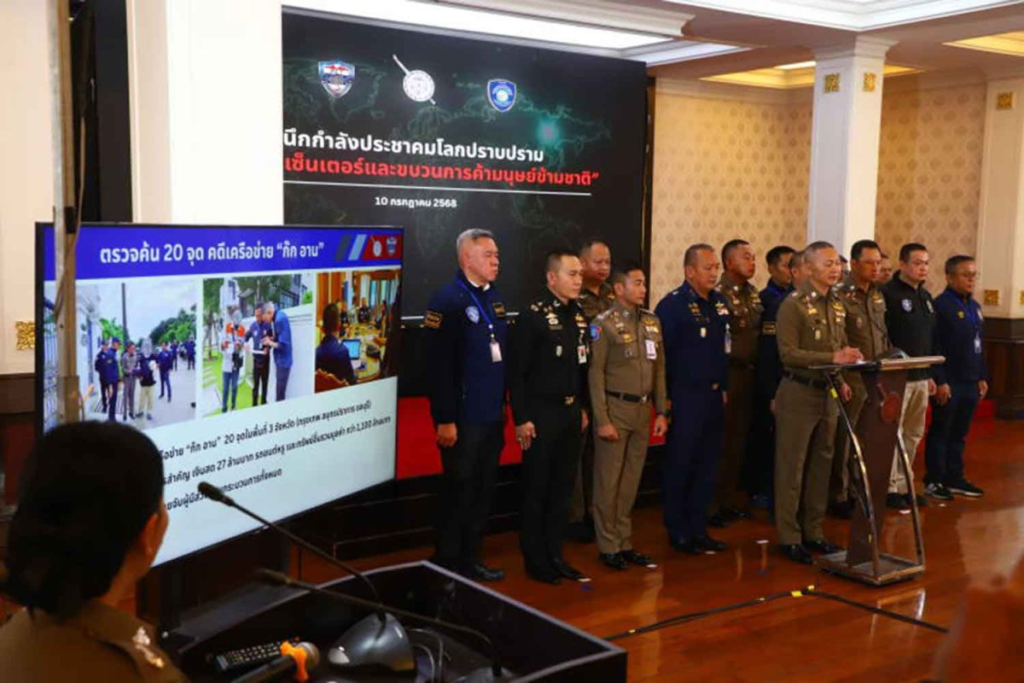
Thai authorities continue to report large domestic losses from online fraud. Police said that between March 1 and March 7 they received 7,682 complaints related to online scams, up from 7,344 the previous week, with total losses estimated at 433.86 million baht. Investment scams accounted for the largest share of damages at about 146.6 million baht.

The figures indicate that Thailand remains a major site of victimisation, not only an observer of scam operations elsewhere.
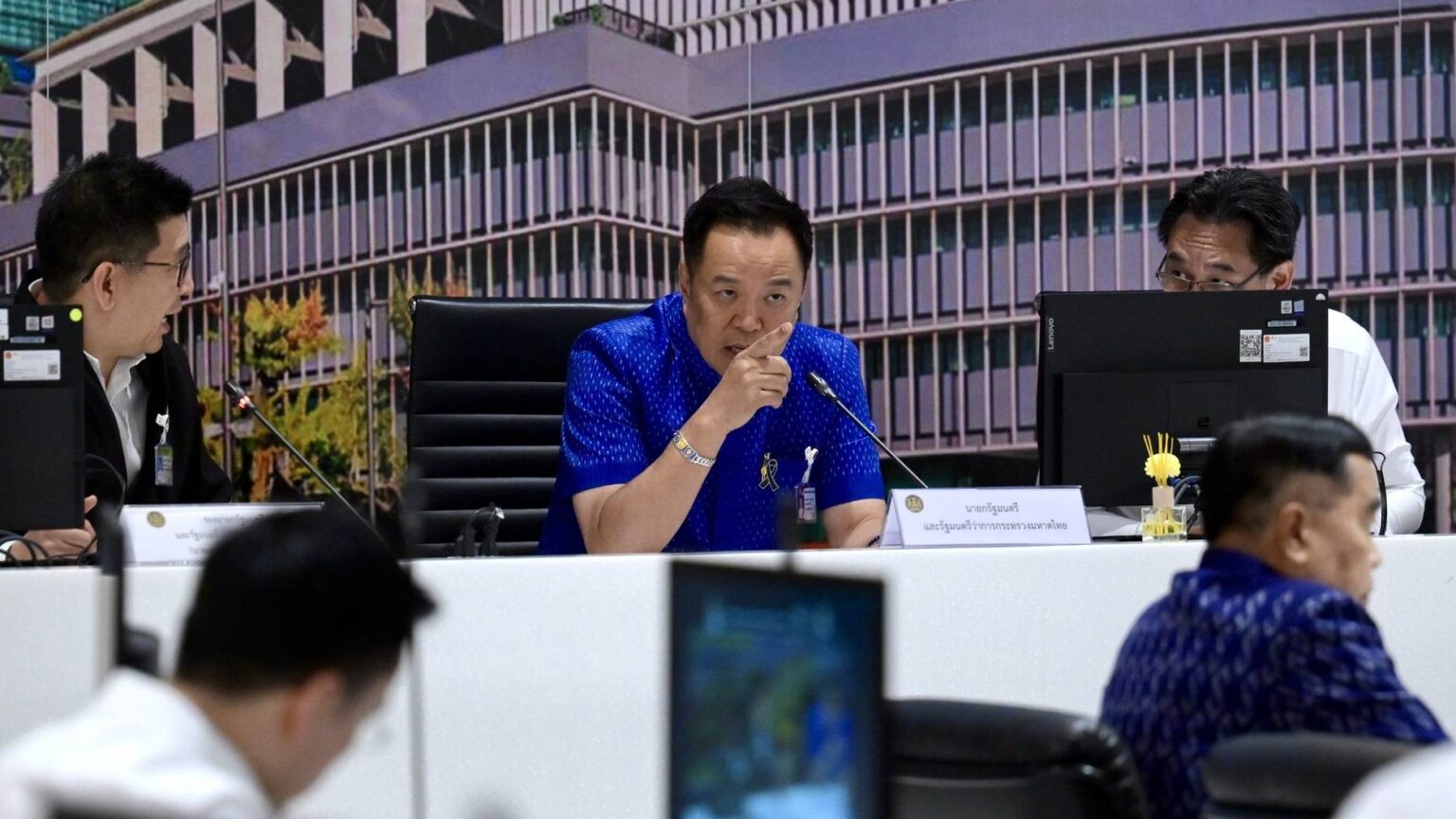
The case has also drawn political attention. Thai media reported that Prime Minister Anutin Charnvirakul acknowledged knowing Ben Smith socially while denying a close relationship.
The developments complicate a simplified narrative that treats the region’s fraud economy as territorially confined to Cambodia. Investigations and market disclosures indicate that scam networks operate through cross border structures involving financial markets, corporate vehicles and regulatory systems across multiple jurisdictions.
Cambodia is not listed on the Financial Action Task Force’s February 2026 list of jurisdictions under increased monitoring, according to the FATF statement published on Feb. 13.
Cambodian authorities have also continued approving new investment projects. Reporting in January said the Council for the Development of Cambodia cleared 43 projects worth about $752 million, including new special economic zones such as Kampot Fujian SEZ and KP Yan SEZ in Bokor.
Those approvals do not imply illicit finance. But they underline the reputational stakes for Phnom Penh, which faces pressure to demonstrate that new investment channels are subject to strict financial screening and transparency requirements.
The emerging record suggests a more complex picture of the regional scam economy. Court actions, corporate disclosures and enforcement data show that financial exposure, regulatory gaps and capital market interactions extend beyond any single country.