PHNOM PENH, March 4, 2026 – Cambodian officials warned that unilateral tariff measures and escalating tensions in the Middle East are creating a dual shock for Southeast Asian economies, combining trade fragmentation with energy-price volatility that could weigh on regional growth.
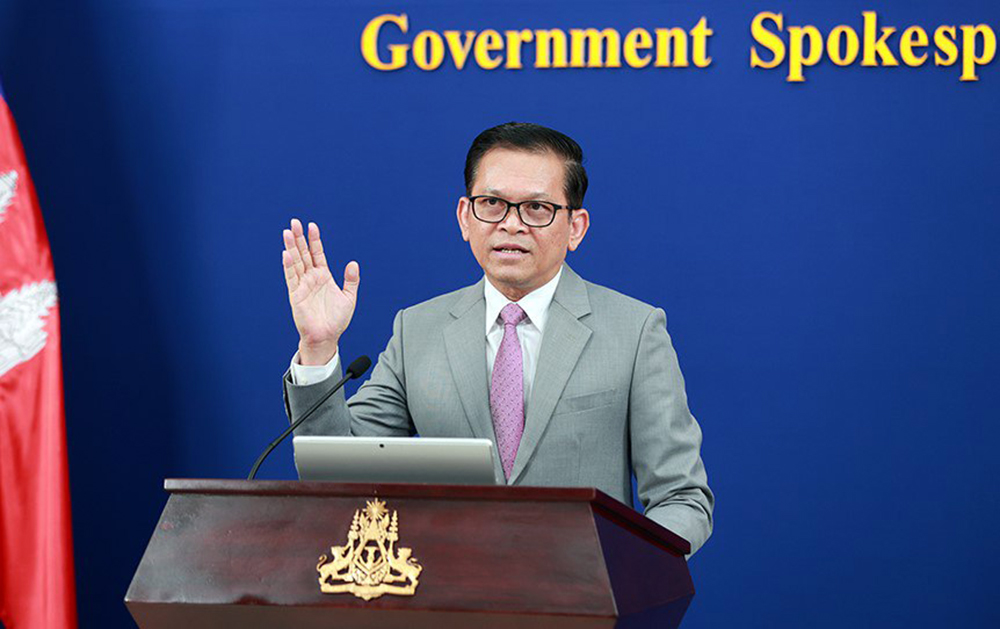
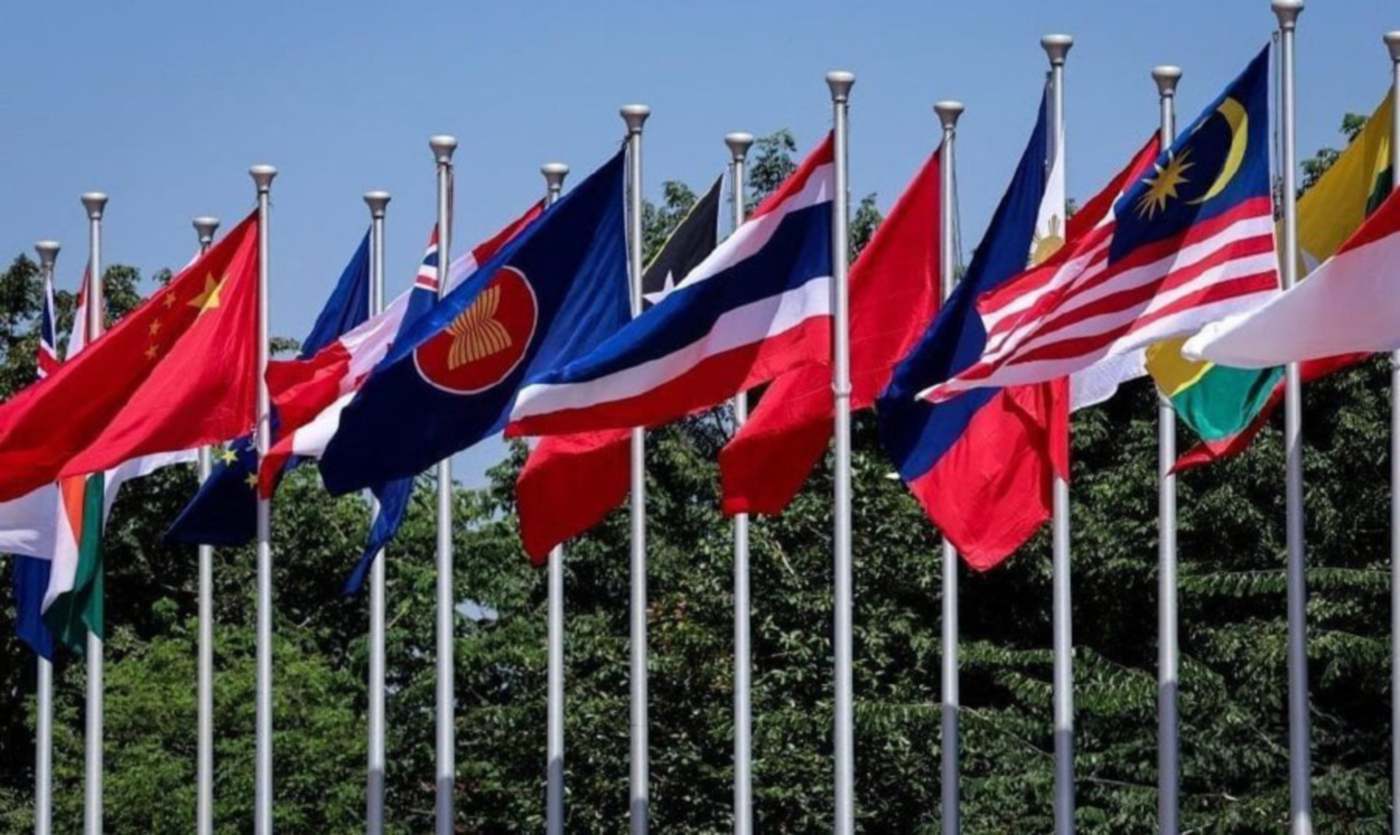
Speaking at the opening of the Cambodia–ASEAN Business Summit 2026 in Phnom Penh, Prime Minister Hun Manet said global economic conditions are becoming increasingly uncertain amid supply-chain disruptions, climate pressures and rising geopolitical tensions. He said ASEAN must strengthen resilience by diversifying energy sources, deepening regional economic integration and improving crisis-coordination mechanisms.
Cambodia Chamber of Commerce president Kith Meng told the summit that recent waves of unilateral tariff actions and retaliatory responses are accelerating fragmentation in the global trading system, shifting it away from predictable multilateral rules toward a more transactional environment.
He said the situation is being compounded by the escalation of conflict involving the United States, Israel and Iran, which is pushing up energy prices and raising inflationary risks for businesses across Southeast Asia.
Energy markets have become a key transmission channel for the shock. Brent crude prices have risen as instability in the Middle East threatens shipping through the Strait of Hormuz, a critical route for roughly one-fifth of global oil supplies. Higher fuel costs increase transportation and production expenses for companies across the region.
Analyst Thong Mengdavid, deputy director at the China-ASEAN Studies Center of the Cambodia University of Technology and Science, said the immediate economic impact for ASEAN would likely come through energy-price volatility.
“As most ASEAN economies are net energy importers, higher oil and gas prices will drive inflation, raise transportation and production costs, and weaken consumer purchasing power across the region,” he said.
For Cambodia, the impact is expected to be indirect but noticeable. Rising fuel costs could increase logistics and manufacturing expenses in export sectors such as garments and agriculture, while imported inflation and financial volatility may weigh on household spending and investor confidence.
Cambodian officials told summit participants that strengthening intra-ASEAN trade, expanding energy cooperation and diversifying export markets will be critical for cushioning the region against external shocks.