The U.S.–Israeli air campaign against Iran and Tehran’s retaliatory strikes are widening into a multi-state confrontation, according to reporting by major international outlets including Reuters and The Economist. Iran’s Supreme Leader Ayatollah Ali Khamenei was killed in the initial strikes, according to U.S. government assessments reported by Reuters, intensifying uncertainty over Iran’s command-and-control structure and succession trajectory.
Iran has since launched missile and drone attacks across multiple countries in the region, according to The Economist and regional reporting. A drone struck Britain’s RAF Akrotiri base in Cyprus, causing limited damage, the Associated Press reported, adding that early reporting did not conclusively establish whether the launch was directly attributable to Iran or to an allied proxy actor.
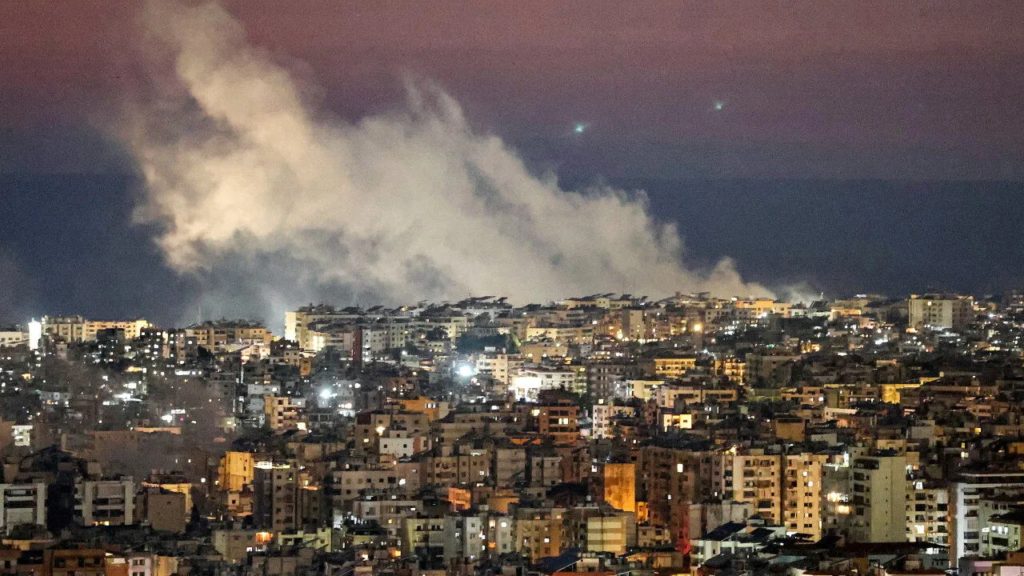
In the Gulf, Kuwaiti air-defence batteries mistakenly shot down three U.S. F-15 aircraft in a friendly-fire incident during high-tempo operations, according to Reuters, underscoring operational congestion risks in contested airspace.
Qatar said it shot down two Iranian Su-24 aircraft as hostilities reached Gulf airspace, according to statements carried by regional media including Al Jazeera. Separately, Qatar halted LNG production after strikes affected facilities linked to Ras Laffan, according to Reuters, tightening supply in a market where Qatari exports account for a significant share of global liquefied natural gas trade.
Maritime exposure is emerging as a principal transmission channel to the global economy. Iran has threatened to close the Strait of Hormuz and to attack vessels attempting passage, according to Reuters. Freight markets reacted sharply: Reuters reported that VLCC rates on Middle East–Asia routes surged to record levels and LNG tanker rates rose more than 40%, with some shipowners suspending operations. The U.S. Energy Information Administration estimates that roughly 20% of global petroleum liquids consumption and about 20% of global LNG trade transited the Strait in 2024, underscoring its structural significance.
Qatar halted LNG production after strikes affected facilities linked to Ras Laffan, according to Reuters, tightening an already stressed global gas market.