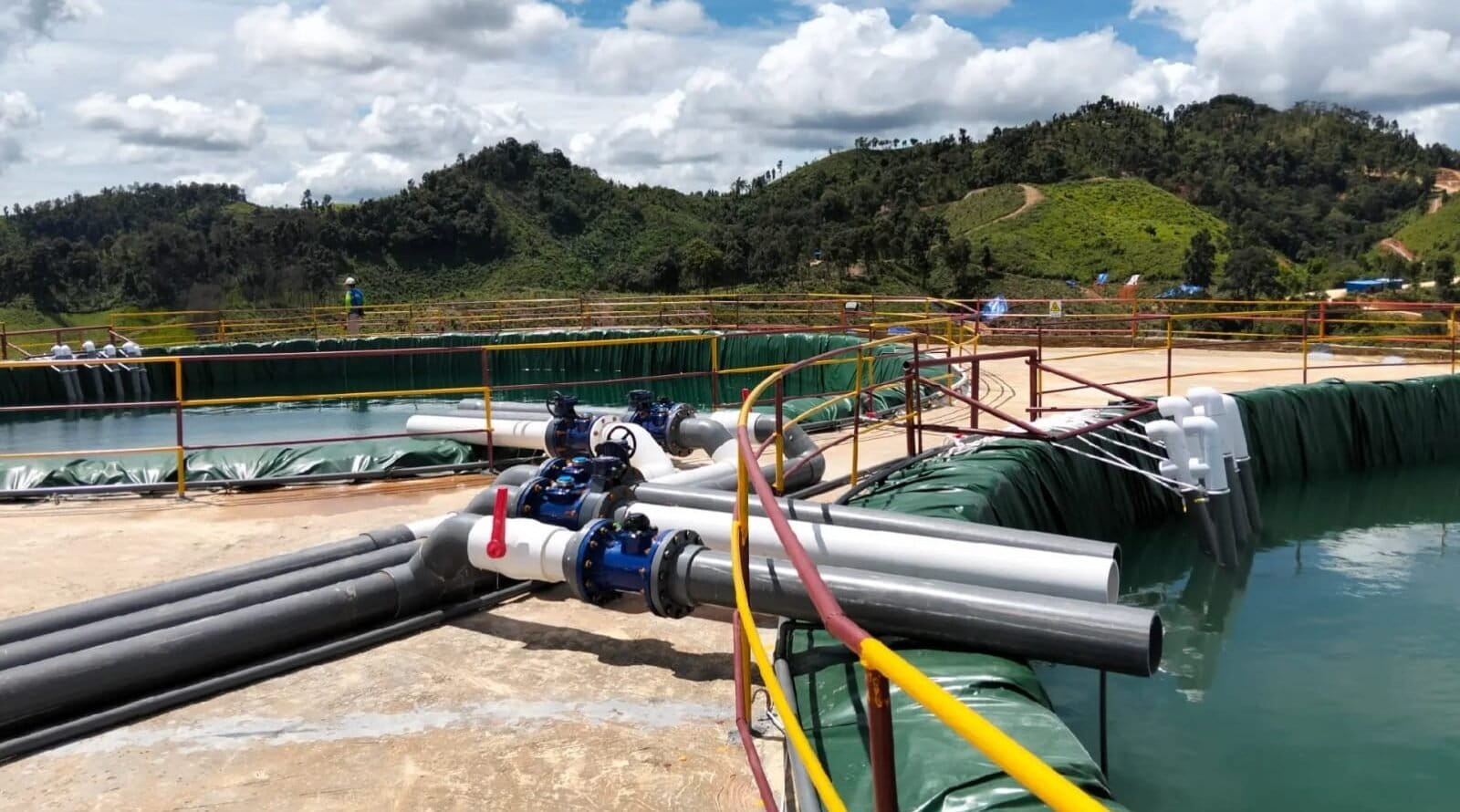
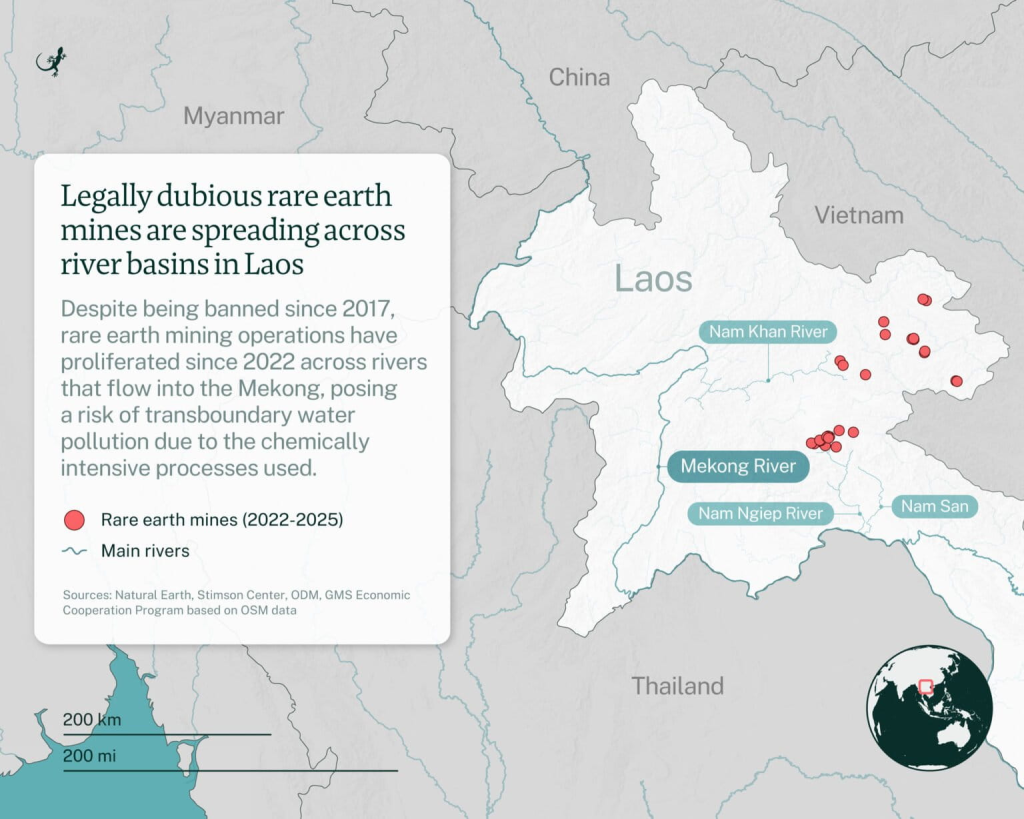
At least 27 rare earth mines have opened across Laos since 2022, many of them in protected areas and along river systems that feed the Mekong, raising the risk of cross-border water pollution in mainland Southeast Asia, according to research by the Stimson Center.
The U.S.-based think tank said 15 of the mines were operating within the Mekong River Basin, including 12 on the Nam Khan River and three on the Nam Ngiep River, both tributaries of the Mekong. Another 10 sites were identified on the Nam Hao and Nam Xan rivers in the Ma River Basin, creating potential downstream risks for Vietnam, the report said.
The findings point to a rapid expansion of rare earth extraction in Laos as demand from China for the minerals used in electric vehicles, wind turbines and advanced electronics continues to grow. The article said the industry had spread even though rare earth mining has been banned in Laos since 2017.
Stimson Center researchers identified the sites through satellite imagery and other analysis, including seven mines that appeared to have opened in 2025. Of the 27 sites, 23 appear to be inside protected areas, though it was unclear whether they were operating with approval from local or national officials, the report said.
The Mekong, which runs about 4,900 km (3,000 miles) from Tibet through Myanmar, Thailand, Laos, Cambodia and Vietnam before reaching the South China Sea, supports the food, water and livelihoods of more than 50 million people. Environmental risks in the basin carry political weight because contamination can spread across borders and affect fisheries, drinking water and agriculture downstream.
A spokesperson for the Mekong River Commission said the body does not independently conduct contamination assessments tied specifically to mining, but it provides technical support and encourages member countries to carry out regular testing throughout the lower basin.
“If unchecked, pollution from mining and other industrial activities, especially when contaminant levels exceed standard limits, could harm public health, reduce biodiversity, disrupt aquatic ecosystems, and threaten the livelihoods of people who depend on the Mekong River,” the spokesperson told Mongabay by email.
The spokesperson said pollution control remained primarily the responsibility of national authorities, while the commission continued to support member states through data sharing, technical advice, joint monitoring and regional cooperation.
The article said testing supported by the commission in Laos in July found elevated arsenic levels that officials said may have originated from sources outside national boundaries, in what it described as a likely reference to wastewater linked to mines in Myanmar that has already polluted rivers near the Thai-Laos border.
But the report said Laos has also faced contamination from its own mining activity. In 2024, rare earth mining-related chemical spills and river pollution in Houaphanh and Luang Prabang provinces prompted government intervention after high cyanide levels and acidity in two rivers caused a fish die-off affecting 36 villages.
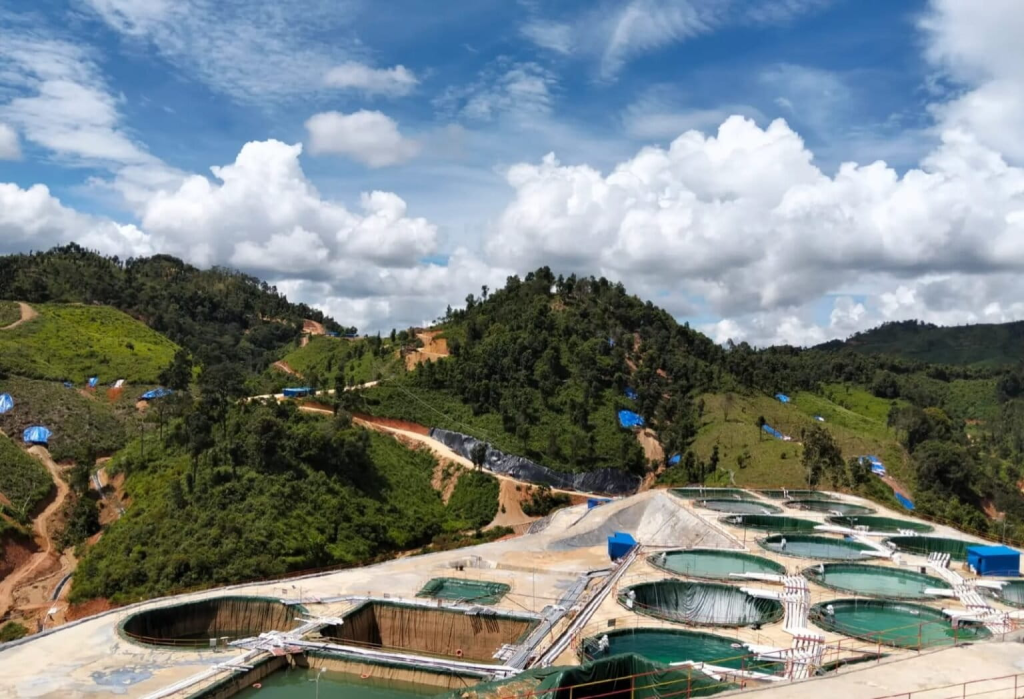
According to the article, representatives of Chinese companies agreed to meet communities over compensation, while local officials conducted testing until the water was deemed safe again.
Sources familiar with Laos’s mining sector told Mongabay that companies, particularly those backed by Chinese investors, had continued operating by securing support from provincial or district authorities despite the national ban. The article said this reflected weak oversight in a country where civic space and press freedom are tightly restricted, leaving pollution incidents underreported and difficult to monitor independently.
Laos exported $104 million worth of rare earth elements in 2023, according to the article, compared with $1.44 billion from Myanmar in the same year. Both countries’ exports went exclusively to China, it said. Laos’s total mineral exports to China were valued at $876 million in 2023, suggesting room for further expansion if rare earth extraction grows.
Oliver Tappe, a senior researcher at the University of Konstanz who studies Laos, said the scale of the country’s rare earth reserves remained uncertain, but exploration activity was increasing.
“If there will be a rare earth mining boom, the environmental impact, especially on the waterways, will be huge, given the chemical-intense technology,” he told Mongabay.

A resident of northeastern Laos who spoke on condition of anonymity said villagers had little power to resist projects backed by local elites and foreign capital.
“The big problem is deforestation,” the source said, adding that unregulated mining operations often cleared large areas of forest and released chemicals that later reached rivers.
The source said trucks damaged roads, land rights were disrupted and some communities were relocated, adding that many illegal mining operations were believed to outnumber legal ones.

“Rare earth mining is the most impactful for the communities,” the source said. “These chemicals then reach the rivers, they kill a lot of fish, and other species die.”