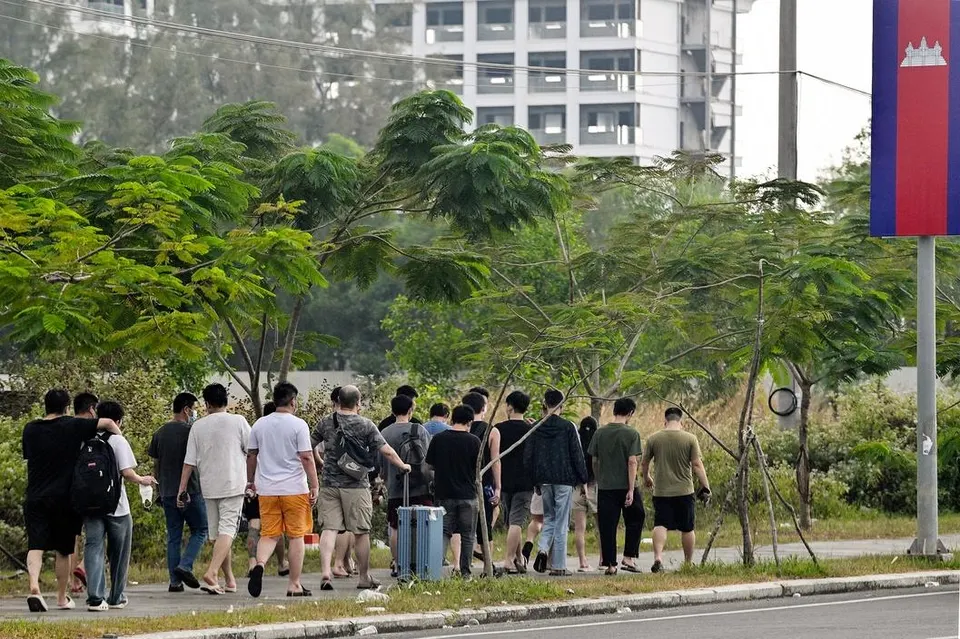
Phnom Penh, March 1, 2026 – Cambodia’s latest raids on scam-compound networks have pushed thousands of suspected trafficking victims and coerced workers out of guarded sites but without a coordinated reception plan, many are ending up stranded, undocumented and at risk of being re-exploited, according to rights groups and researchers.
Survivors leaving compounds may not have legal work permission, may lack passports allegedly seized by traffickers, and may face visa overstay penalties that can accumulate into unaffordable sums, complicating departure or formal repatriation, the reporting said. The result, an Amnesty International staff member warned, is a street-level humanitarian emergency that extends trauma for people who say they endured violence and abuse inside the facilities.
Researcher Ling Li, a co-founder of EOS Collective, said enforcement operations need survivor-focused logistics prepared in advance including shelter, identification, interpretation, and secure channels to contact families and embassies arguing that raids without a reception plan can push victims into homelessness, immigration detention, or rapid re-recruitment by criminal networks. A coordinated approach, she said, also improves the chances victims can safely cooperate as witnesses while reducing the capacity of networks to simply replace removed workers.
The people leaving compounds span multiple nationalities, with embassies pursuing uneven, country-specific responses. The reporting cited examples including Kenya obtaining a waiver for overstay fines, and China and Indonesia arranging temporary shelter while citizens await deportation processes. It also said the Philippines has conducted victim identification and provides post-repatriation support framing sustained assistance as critical because vulnerability can persist after return.
Amnesty has criticized Cambodian authorities for failing to dismantle higher-level management structures behind compounds, while survivors told the organization that police responses were limited even when severe crimes were alleged. A researcher, Jacob Sims, was cited saying the enforcement wave appears stronger than past efforts but still largely spares elites describing the industry as highly lucrative and entangled with power, though the full scale of complicity remains difficult to document.
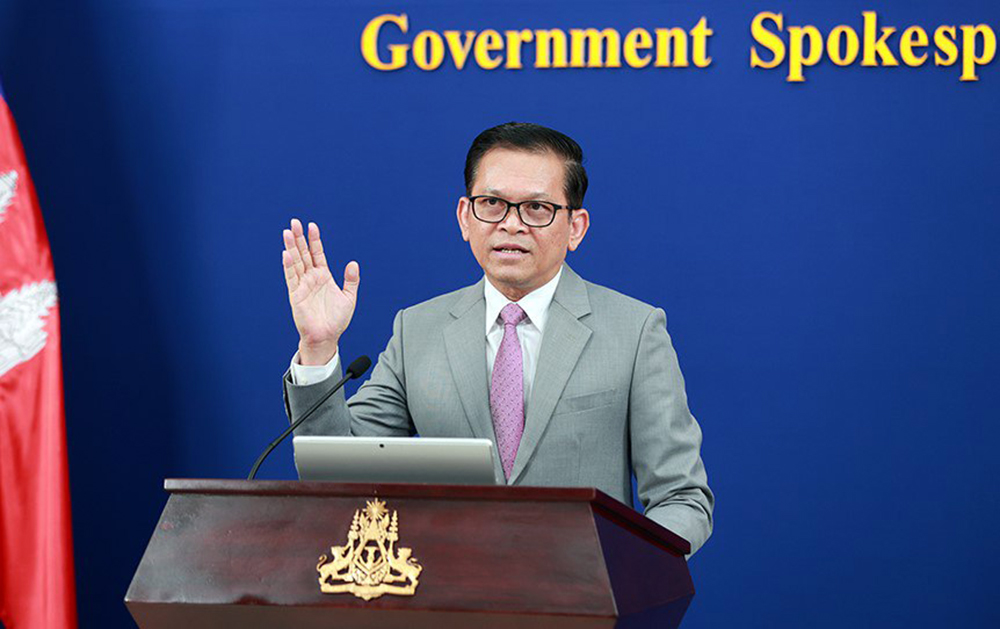
The report said public scrutiny remains risky for Cambodian journalists, noting arrests connected to scam-compound reporting. A Cambodian official was cited saying authorities are screening people to distinguish victims from perpetrators, but the reporting emphasized that the line can be blurred in coerced labor settings and that official victim identification controls access to protection pathways.
Li said many interactions with law enforcement are framed primarily through immigration control rather than victim identification, leaving people categorized as immigration violators and unable to safely access shelters or repatriation procedures unless formally recognized as trafficking victims. The report added that limited options are driving some people back into scam work, including alleged recruitment routes to operations outside Cambodia.
The reporting also described strain on humanitarian capacity, citing aid cuts and alleged constraints faced by organizations that might otherwise provide accommodation to people without valid visas. Emergency shelters, it said, are overwhelmed, leaving some people crowded into precarious housing or sleeping outdoors, while local and international groups carry most immediate responsibilities food, shelter, medical and psychological care, interpretation, legal support and case management. Li warned the most urgent gap is basic information and immediate support: many stranded people do not know what will happen, how long it will take, or what rights they have.