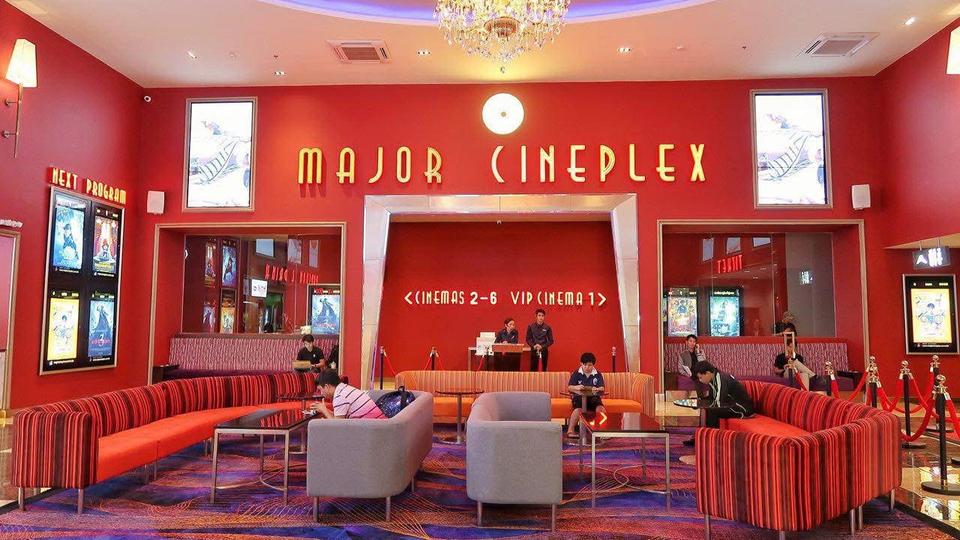
PHNOM PENH, February 28, 2026 – Thailand-based cinema operator Major Cineplex Group has agreed to sell its Cambodian cinema business to Sabay Digital Group, according to regulatory disclosures filed with the Stock Exchange of Thailand on Friday.
The filing states that a majority stake in the Cambodian operating entity was sold for approximately 161 million baht (about $5.14 million). Completion is expected within the first quarter of 2026, subject to standard closing procedures. The cinemas are expected to continue operating under the new ownership.
The transaction marks a shift from regional listed ownership to domestic control in one of Cambodia’s most visible modern entertainment chains. Neither company has publicly characterized the Cambodian market as unviable. The disclosure frames the deal as a share transfer rather than an operational shutdown.
The divestment comes amid broader portfolio adjustments by regional entertainment operators facing high fixed costs and uneven attendance recovery across Southeast Asia. Cinema businesses typically operate with substantial lease commitments in shopping malls, payroll obligations and film licensing costs, leaving limited flexibility when foot traffic fluctuates.
Online commentary in Cambodia has linked the sale to nationalist sentiment and boycott pressures targeting Thai-linked brands. However, no publicly released financial data has quantified the direct impact of such sentiment on ticket sales or profitability. While reputational risk can influence consumer behavior, attributing the transaction primarily to boycott dynamics remains unverified.
For Major Cineplex, the sale may represent capital reallocation toward core markets. For Sabay Digital Group, the acquisition expands its footprint from digital media into physical entertainment infrastructure, potentially enabling integration between online platforms and cinema venues. The operational challenge remains structural: attendance levels, cost discipline and programming mix will determine financial sustainability.
The immediate implication is continuity rather than contraction. Ownership has shifted; operations are expected to continue. The longer-term trajectory will depend less on the nationality of shareholders and more on consumer turnout, lease economics and execution under domestic management.