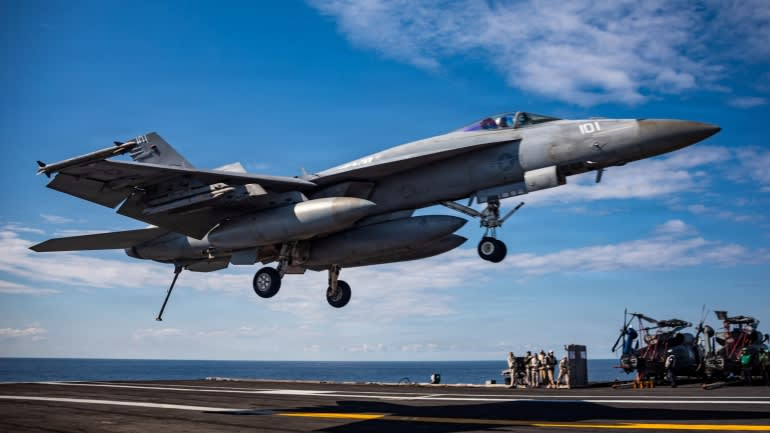
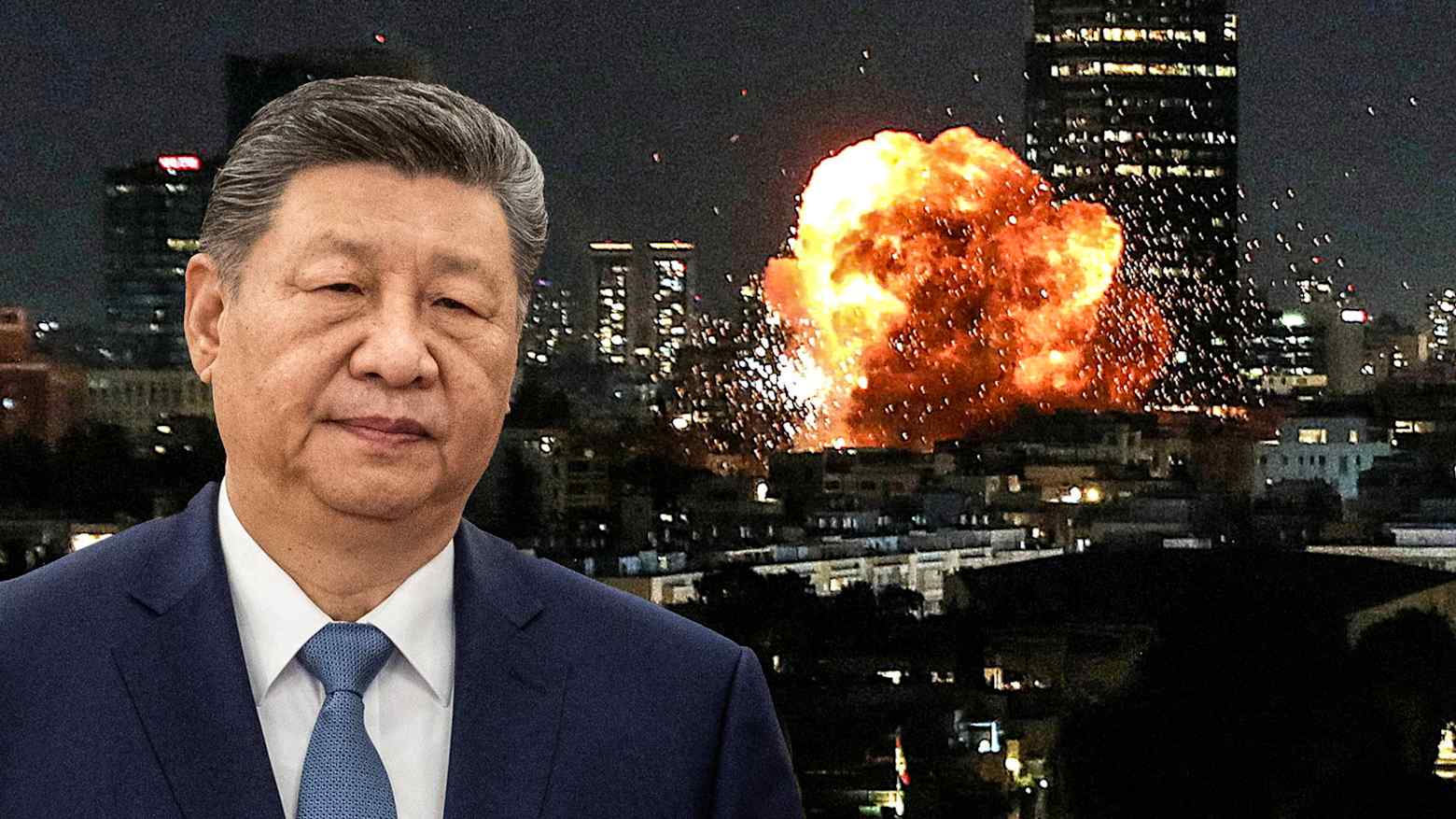
The U.S.-Israeli air campaign against Iran conducted under Washington’s “Operation Epic Fury” has killed Iran’s Supreme Leader Ayatollah Ali Khamenei and accelerated regional spillover risk, tightening the coupling between energy security, U.S.–China summit diplomacy, and Taiwan-related signaling.
China has condemned the killing in unusually explicit sovereignty language. In a March 1 statement, Beijing said the “attack and killing” of Iran’s leader was “a grave violation of Iran’s sovereignty and security,” and urged an immediate stop to military operations and de-escalation. In a separate readout of Foreign Minister Wang Yi’s call with Russia’s Sergei Lavrov, China said it was “unacceptable” to assassinate a sovereign leader and “instigate regime change,” citing an emergency UN Security Council meeting requested by China and Russia.
The escalation lands weeks before a planned Trump trip to China. Reuters reported Trump is scheduled to travel March 31–April 2 for a leader-level meeting, though Beijing has not publicly confirmed the agenda and analysts say the meeting’s status is sensitive to further escalation.
For Beijing, the binding constraint is oil-price and shipping disruption more than the loss of Iranian barrels per se. Reuters (Kpler) estimates China bought ~1.38 million barrels/day of Iranian crude in 2025 ~13.4% of its seaborne imports often at a discount given sanctions constraints. Iran has declared the Strait of Hormuz closed and threatened to attack ships attempting transit, while maritime insurers and carriers have reacted as if risk levels are prohibitive; Reuters reporting has also indicated that disruption severity and “closure” effectiveness can diverge in practice across time windows.
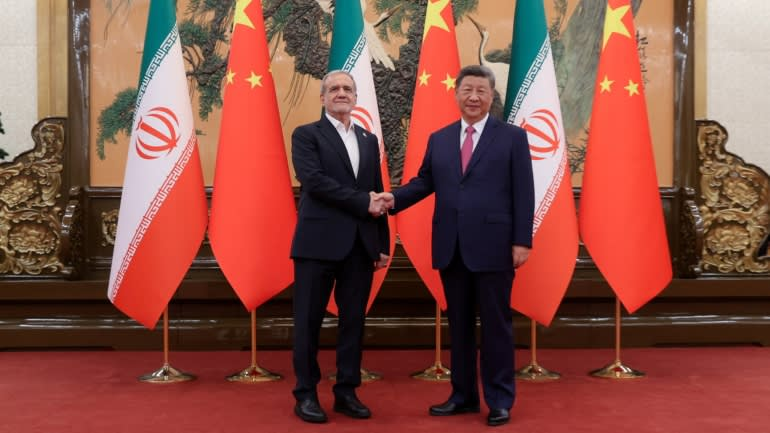
Markets have repriced that risk. Reuters reported oil gains of roughly 16–17% since the conflict intensified late last week, with strong session moves continuing into March 3 as traders priced supply, insurance and shipping constraints. China’s foreign ministry said it would take steps to safeguard energy security amid the Venezuela and Iran shocks.
The Iran shock also intersects with U.S.–China bargaining mechanics. A February 20 U.S. Supreme Court ruling struck down Trump’s global tariffs imposed under IEEPA, narrowing executive tariff latitude and increasing the relative weight of non-tariff levers security posture, sanctions enforcement, export controls, and summit-level political tradeoffs.
Taiwan is one such lever. Bloomberg, citing New York Times reporting, said a multi-billion-dollar U.S. arms package for Taiwan has been delayed in the State Department amid White House direction not to advance it ahead of the Beijing trip an account that, if accurate, positions arms timing as an implicit bargaining variable.
Parallel U.S. pressure has also emerged through legal-institutional channels affecting Chinese-linked assets. In Panama, Reuters reported that a top court annulled CK Hutchison’s concession to operate two Panama Canal terminals and the government seized the assets, prompting arbitration an example of how U.S.–China competition is being expressed beyond tariffs and naval posture.