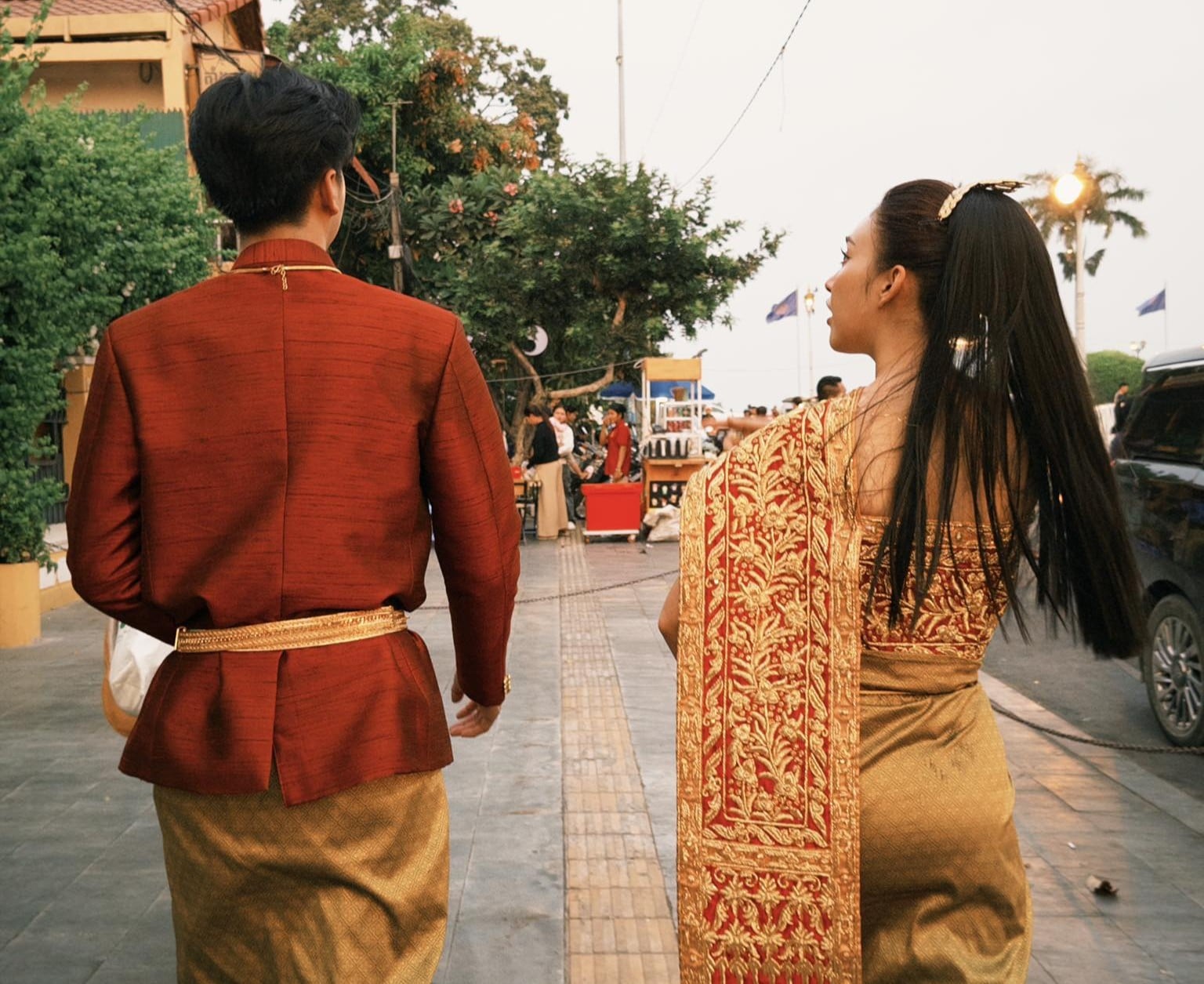
Cambodia’s strongest case in the dispute over the sbai is not that every shoulder-draped garment in mainland Southeast Asia is exclusively Khmer. It is that the sbai is demonstrably part of Khmer ceremonial culture, documented in Cambodia’s wedding tradition, historical scholarship and UNESCO’s own public-facing nomination materials.
That argument starts with the official record. UNESCO’s 2026 files-under-process page lists both Cambodia’s “Traditional Khmer wedding” nomination and Thailand’s “Chud Thai: knowledge, craftsmanship and practices of the Thai national costume” nomination for examination at the committee’s twenty-first session in November/December 2026. Those are not identical claims. Cambodia’s file concerns a wedding tradition; Thailand’s concerns a national costume system.
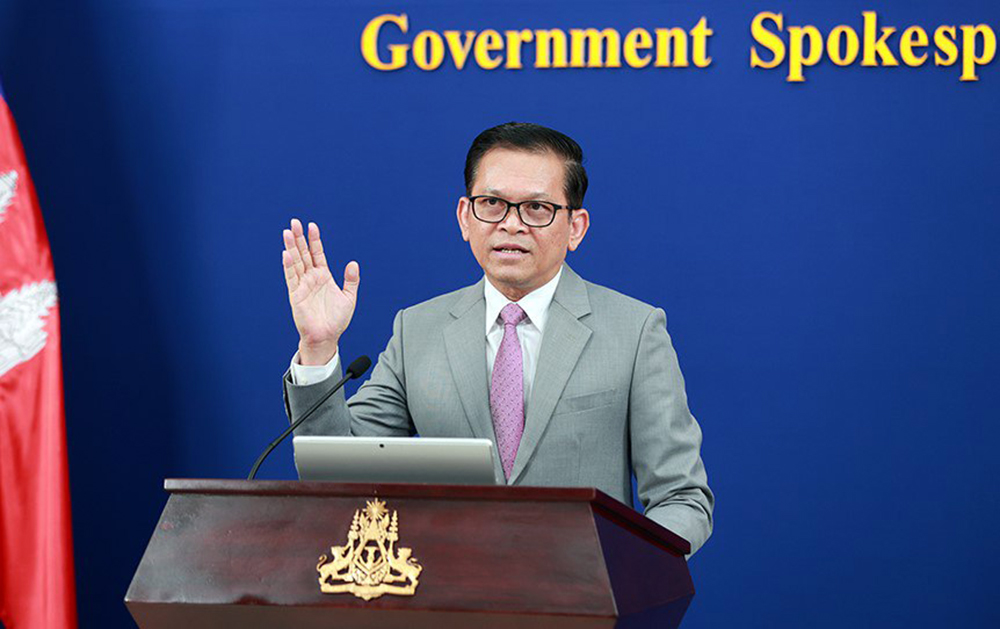
Cambodia put its position on the record on March 14, 2026. In a statement summarized by the state news agency AKP, the Ministry of Culture and Fine Arts said comments had circulated on Thai social media and that some Thai political figures had spoken about traditional attire and the promotion of Khmer culture. The ministry urged calm and defended the sbai and the ritual Preah Thong Taong Sbai as part of Khmer heritage.
The strongest immediate point for Cambodia is that UNESCO’s own public material places the garment inside Khmer wedding ritual. On the 2026 files-under-process page, the slideshow for Cambodia’s nomination includes the caption, “The groom holding the bride’s sbai,” identifying the garment in explicitly Khmer ceremonial terms. That does not settle every regional historical argument. It does undercut the broader allegation that Cambodia’s wedding file was covertly making a claim about Thai national dress.

That allegation had already circulated in July 2025. But the strongest verified public record shows it was later denied in ministry-linked reporting. Cambodianess reported that Cambodian and Thai culture ministries had rejected the claim that Cambodia used Thai attire in its UNESCO wedding file, and Nation Thailand reported that Chut Thai Phra Ratcha Niyom was created under Queen Sirikit in 1960 as a modern formal national costume system. On the present record, the 2025 controversy is safer to describe as a political and social-media dispute than as a proven evidentiary finding.
Cambodia does not need to prove that no related shoulder cloth existed elsewhere in the region. It does not need to prove that every later court garment in Thailand was copied from Cambodia. Its strongest case is narrower than that and more persuasive: the sbai is part of Khmer ritual meaning, Khmer cultural memory and Khmer living ceremonial practice, and the best public institutional record available supports that claim.That distinction matters because Cambodia’s case is strongest when it argues continuity, while Thailand’s file is strongest when it argues modern state standardization. Thai reporting describes Chut Thai Phra Ratcha Niyom as having been created in 1960 under Queen Sirikit for formal national representation. Cambodia, by contrast, is defending a living ritual tradition embedded in marriage practice.
Cambodia does not need to prove that no related shoulder cloth existed elsewhere in the region. It does not need to prove that every later court garment in Thailand was copied from Cambodia. Its strongest case is narrower than that and more persuasive: the sbai is part of Khmer ritual meaning, Khmer cultural memory and Khmer living ceremonial practice, and the best public institutional record available supports that claim.
Claims beyond that should stay carefully attributed. Cambodia’s ministry says the sbai and Preah Thong Taong Sbai are tied to deep Khmer heritage. That is an official Cambodian claim. But a stronger exclusivity argument about every regional form would go beyond what the verified record here establishes. The evidence supports continuity. It does not require monopoly.
Scholarly Sources on Khmer Dress and Textile History
- Angkorian textile scholarship – This paper examines textile forms in Angkorian Cambodia and analyzes how Khmer dress developed distinct local styles visible in sculpture and temple iconography.
“Indic Impetus? Innovations in Textile Usage in Angkorian Period Cambodia”
Journal of the Economic and Social History of the Orient - Khmer costume from Angkor imagery – Costumes et parures khmèrs d’après les Devatâ d’Angkor-Vat
École française d’Extrême-Orient (EFEO) – Classic archaeological study cataloguing clothing, ornaments, and draped garments depicted on Angkor Wat devata sculptures.
Khmer Linguistic and Lexicographic Evidence
- Philip N. Jenner — Old Khmer dictionary (inscriptional evidence)
A Dictionary of Angkorian Khmer
Entry includes: spai / spāy — “long scarf, shawl, stole” with inscriptional citations such as: K.713B, K.669C dating to the Angkorian period.
Khmer Loanwords in Thai
- Franklin E. Huffman – Khmer influence on Thai vocabulary
Khmer Loanwords in Thai Seminal linguistic study documenting Khmer-derived vocabulary in Thai, demonstrating the scale of Khmer lexical influence.
Thai Official Dictionary Source
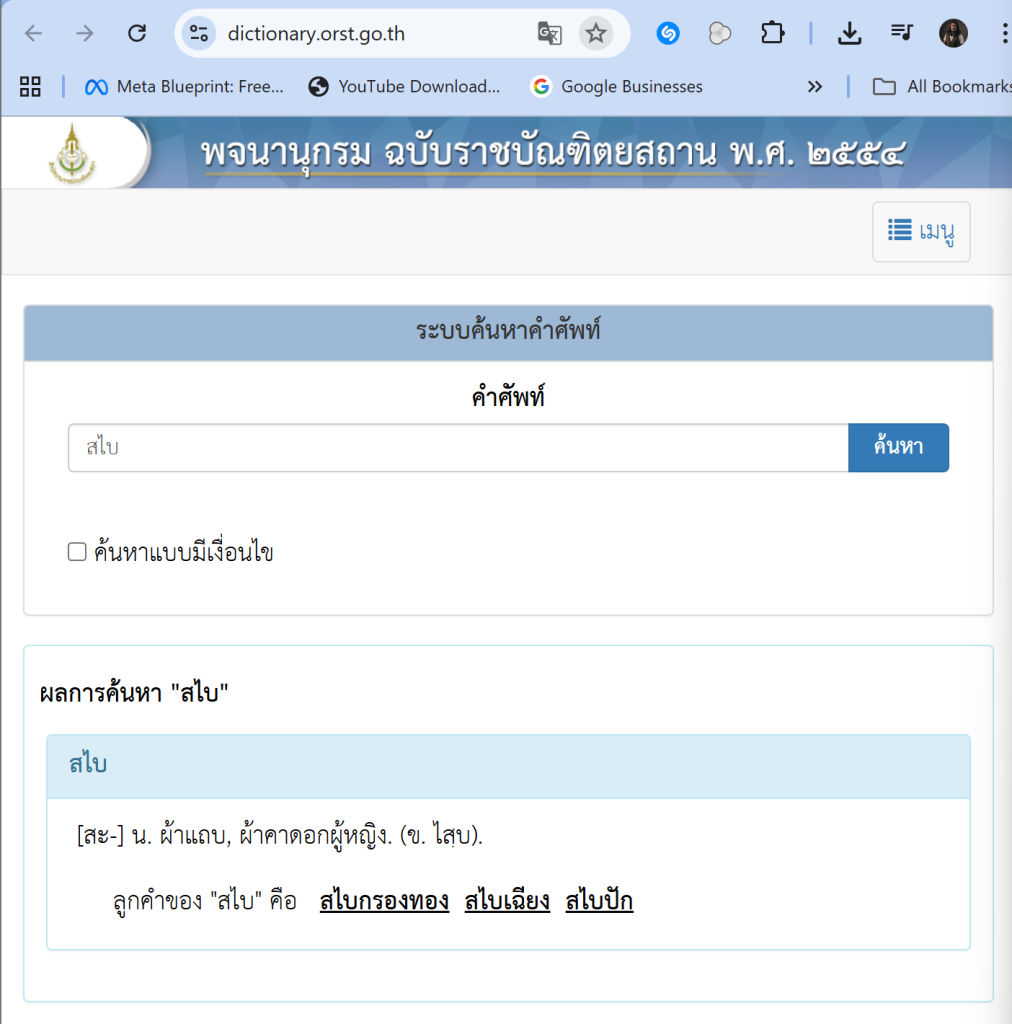
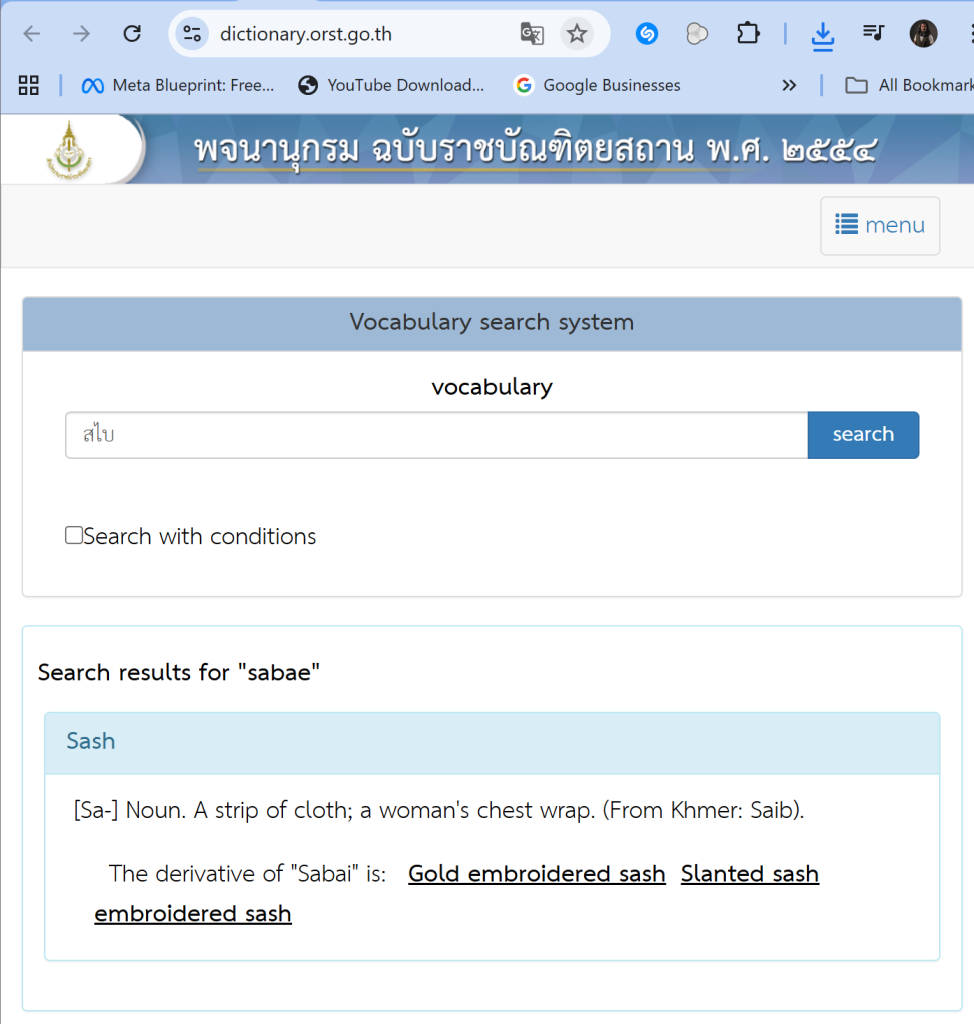
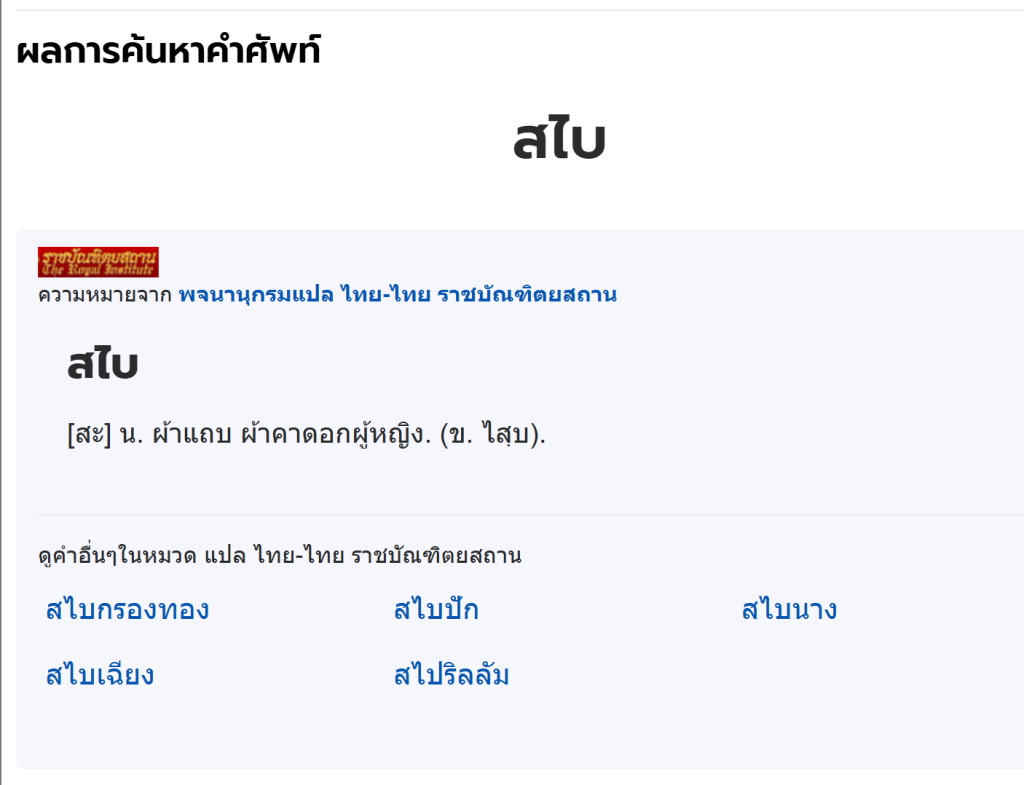
- Lists สไบ among Khmer-origin vocabulary used in Thai.
- Royal Society / Royal Institute Thai Dictionary
Official Thai lexicography entry for สไบ
Dictionary search page: