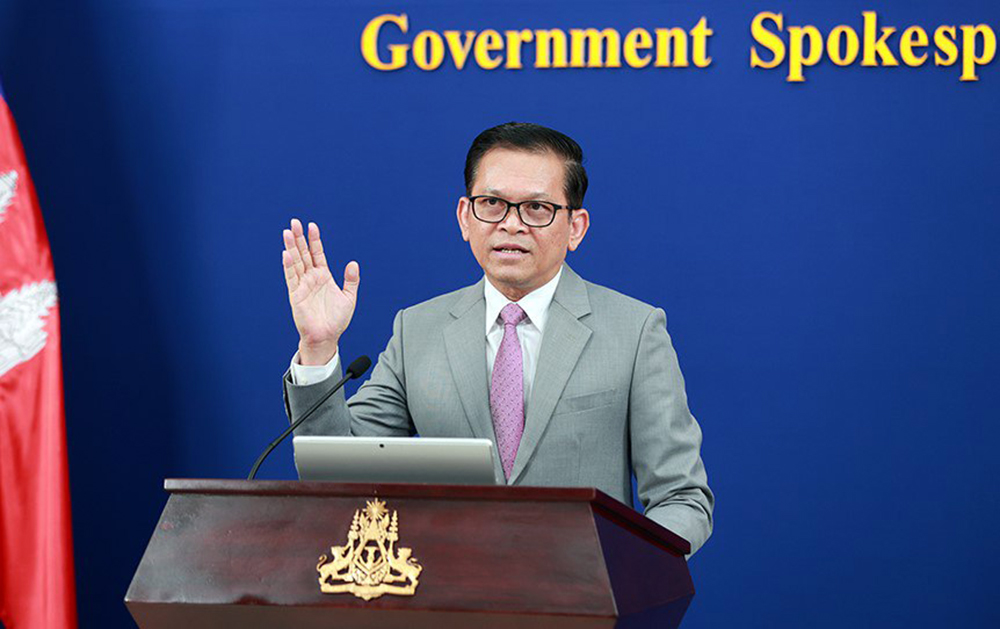
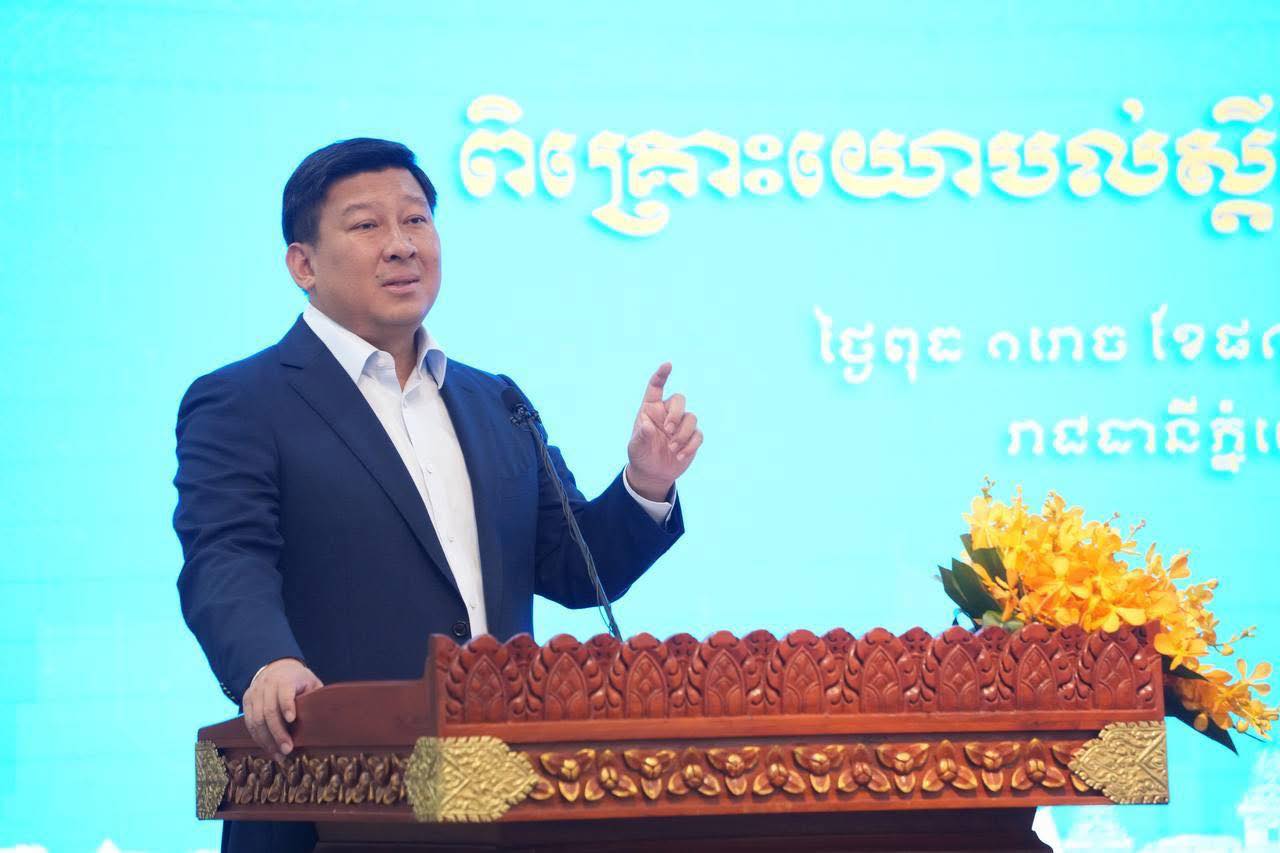
PHNOM PENH, March 4, 2026 – Cambodia’s Ministry of Rural Development and the Ministry of Land Management, Urban Planning and Construction held a national consultation workshop on village development on Wednesday, bringing together officials, researchers and development partners to review progress and shape future strategy, according to state-run Agence Kampuchea Presse (AKP).
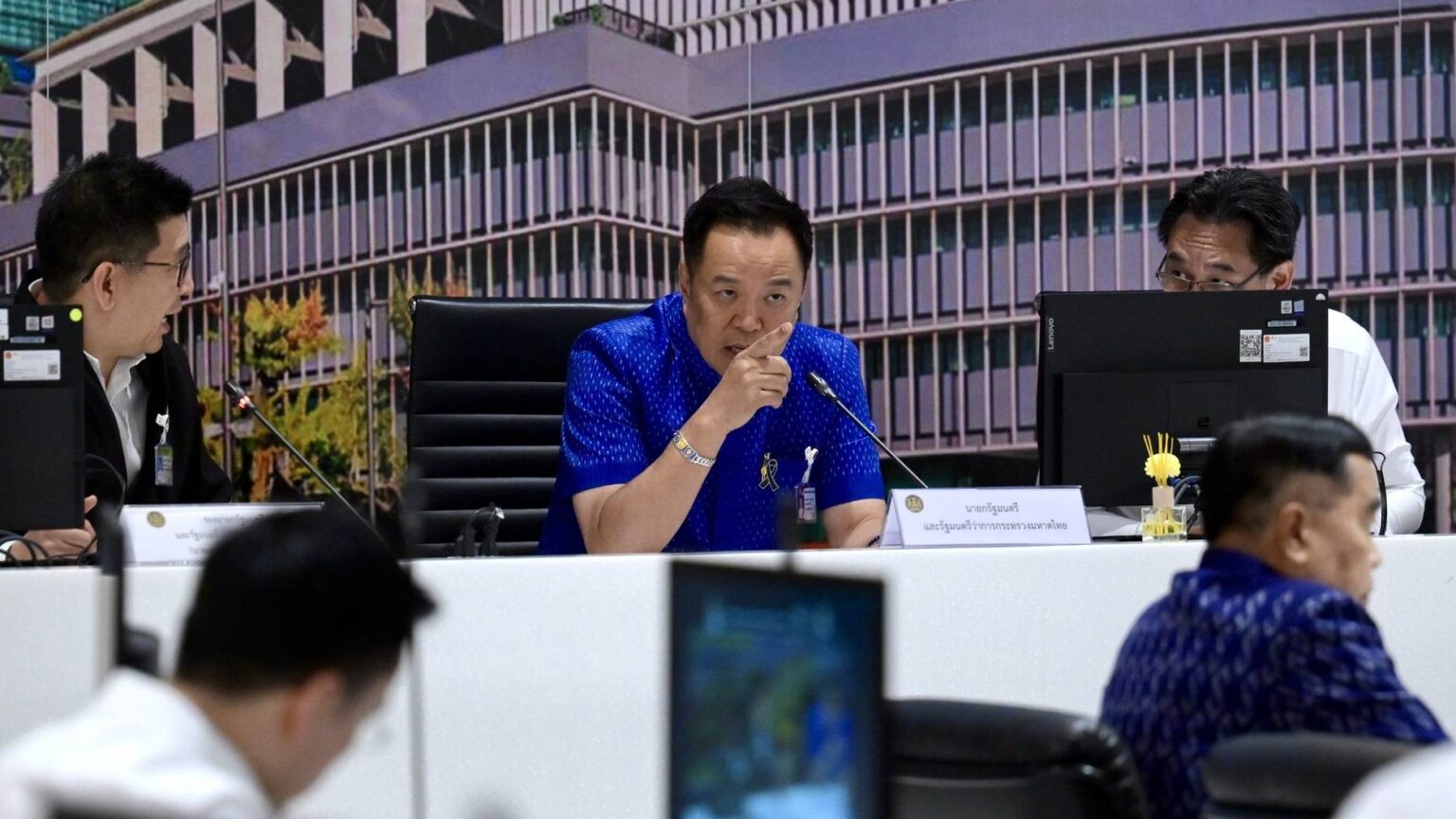
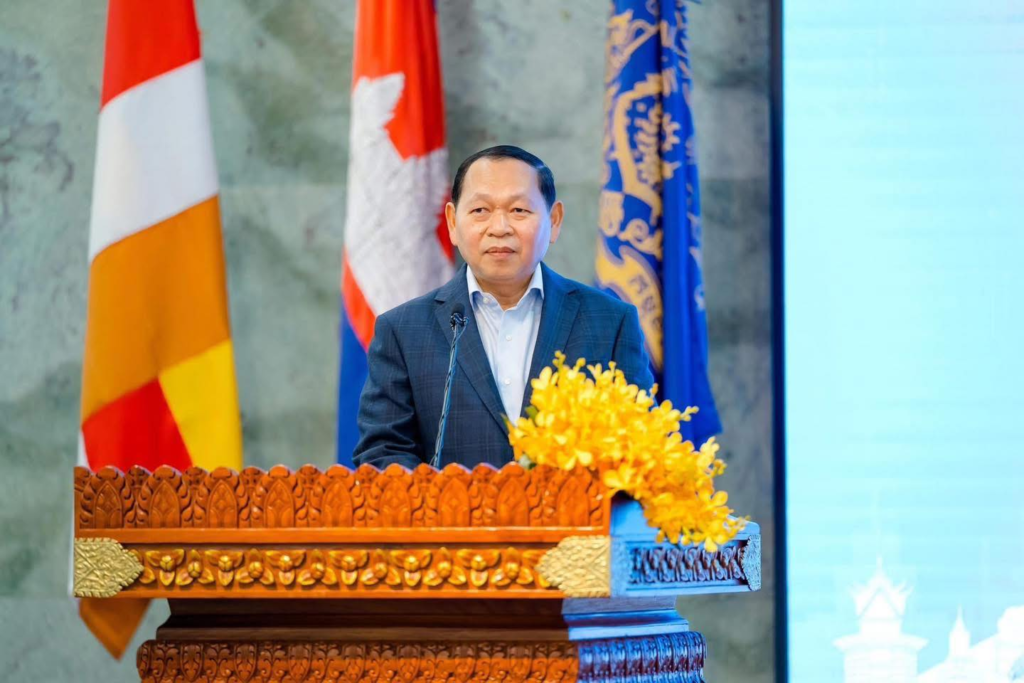
The workshop was co-chaired by Deputy Prime Minister Say Sam Al, also Minister of Land Management, Urban Planning and Construction and Rural Development Minister Chhay Rithisen, with about 460 participants attending in Phnom Penh, AKP said. Presentations covered Cambodia’s “model village” development, findings from nationwide research that analyzes and ranks village development levels, and approaches that position housing as a foundation for rural township growth.
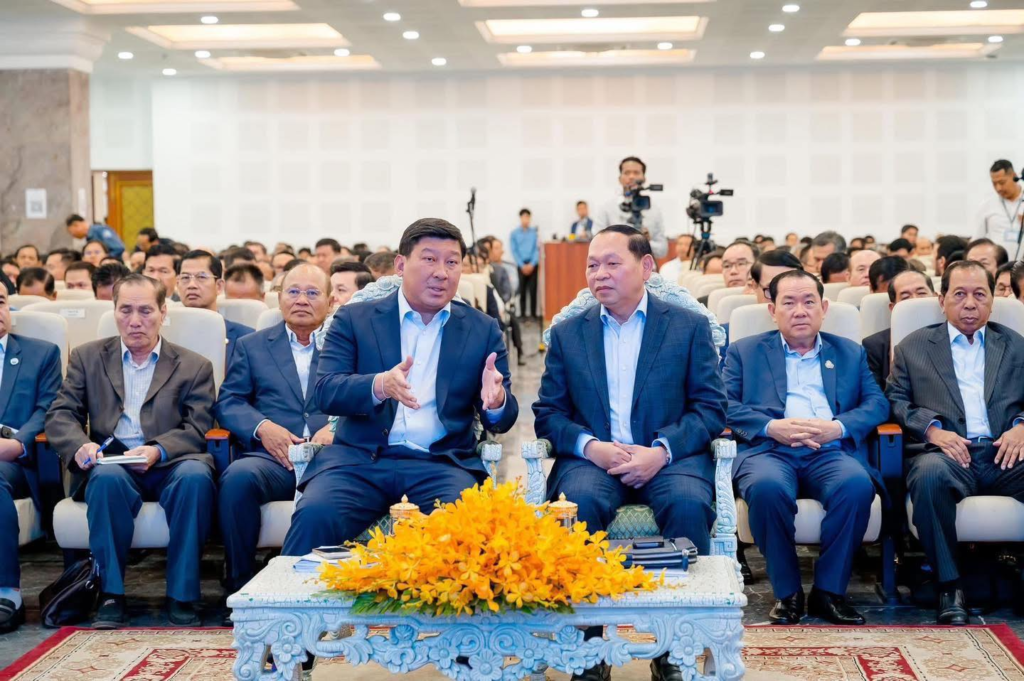
Organizers said the consultation aimed to assess results against public investment in recent years, identify best practices at village level, and select exemplary “model villages” for replication. AKP said the session also sought to lay groundwork for a coordinated plan to accelerate rural development aligned with the Royal Government’s stated objective of reaching high-income status by 2050.
The workshop sits inside a broader policy push: the Ministry of Rural Development has framed current programming under the National Policy on Rural Development 2025–2035, including priorities described by the ministry and affiliated outlets as promoting rural integration and improving household income and well-being. In a separate ministry release on Feb. 27, MRD said it was preparing longer-term planning aligned with the 2025–2035 policy and highlighted workstreams including rural road infrastructure, clean water and sanitation, model village development, and economic diversification while also referring to “five priority programs” without listing a fifth in the English excerpt provided.
One externally documentable anchor for the “model village” concept is MRD’s “Phum Kumrou (model village)” initiative: a UNESCO periodic report states that since August 2024 MRD began a project to identify “model villages” using five criteria areas: economic, social and cultural, health and living environment, infrastructure, and governance.