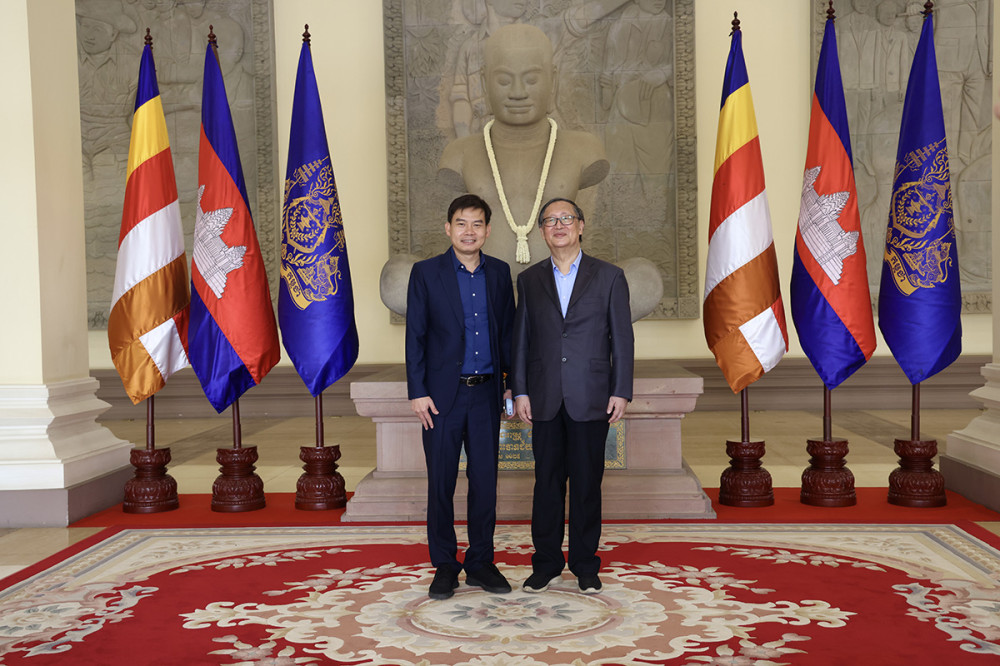
PHNOM PENH, March 10 – Cambodia’s National Assembly has moved to deepen cooperation with the Shanghai Institutes for International Studies, as parliamentary officials in Phnom Penh seek to strengthen policy research capacity and expand evidence-based support for legislative work, according to Cambodian and related institutional statements.
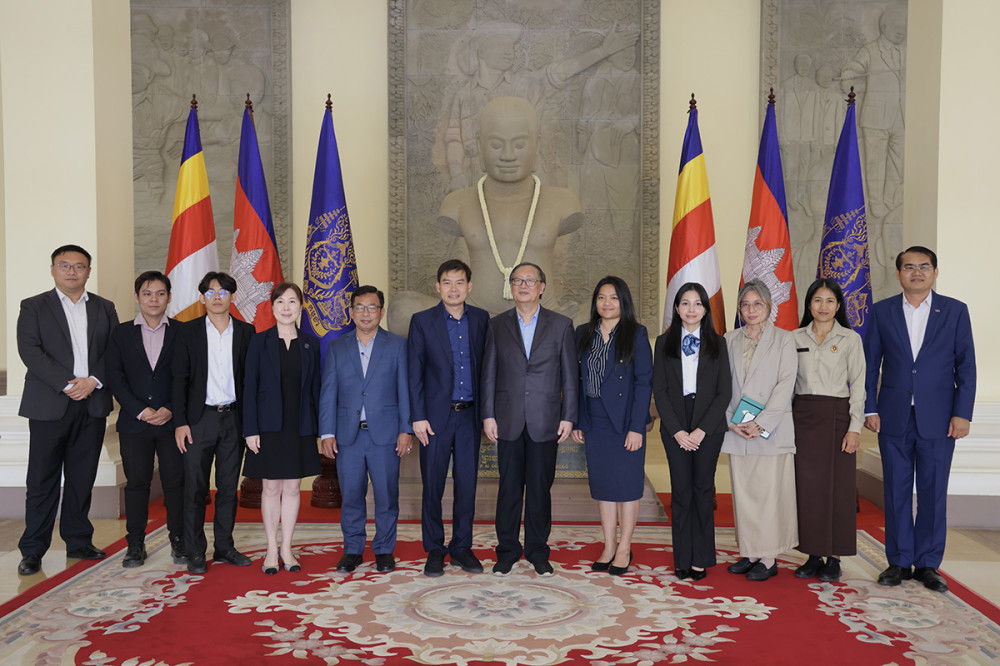
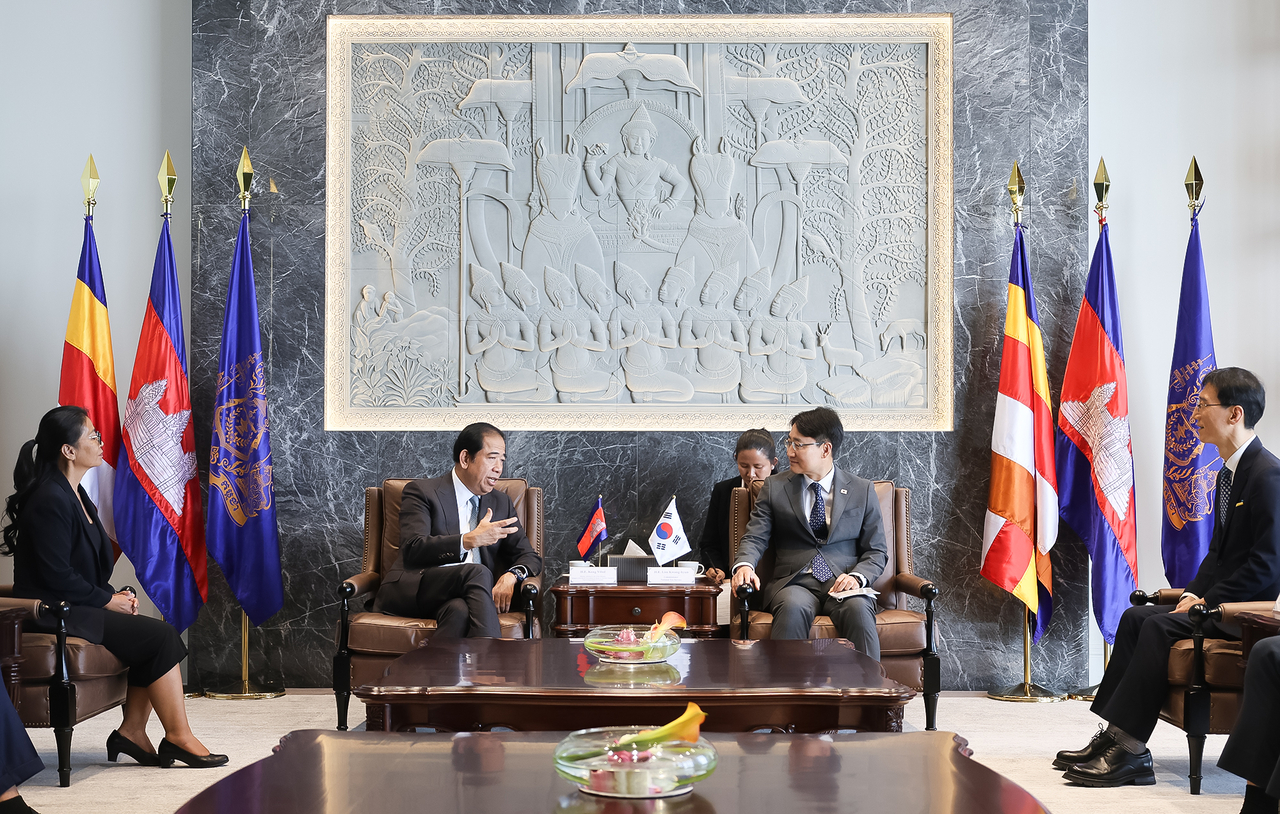
H.E. Dr. Chheang Vannarith, deputy secretary-general of the National Assembly and chairman of its Advisory Council, met Professor Yang Jiemian, chairman of the Academic Affairs Council of SIIS, in Phnom Penh on Tuesday, in talks focused on think tank cooperation, knowledge exchange and research collaboration between Cambodia and China, according to the account provided in the meeting record supplied by the user. SIIS publicly identifies Yang as a senior fellow and chairman of its Academic Affairs Council.
The meeting builds on an existing channel between the Cambodian legislature and the Shanghai-based institute. In October 2025, the National Assembly’s Secretariat-General said a Cambodian delegation led by Vannarith met SIIS president Chen Dongxiao in Shanghai during a study visit backed by China’s National People’s Congress, with both sides discussing future cooperation in policy research, think tanks and parliamentary capacity-building.
Cambodian officials have increasingly framed internal research support as part of a broader push to strengthen institutional capacity inside the legislature. The National Assembly’s official site identifies Khuon Sudary as president of the body, and recent parliamentary communications have highlighted efforts to reinforce legislative effectiveness and international engagement under her leadership.
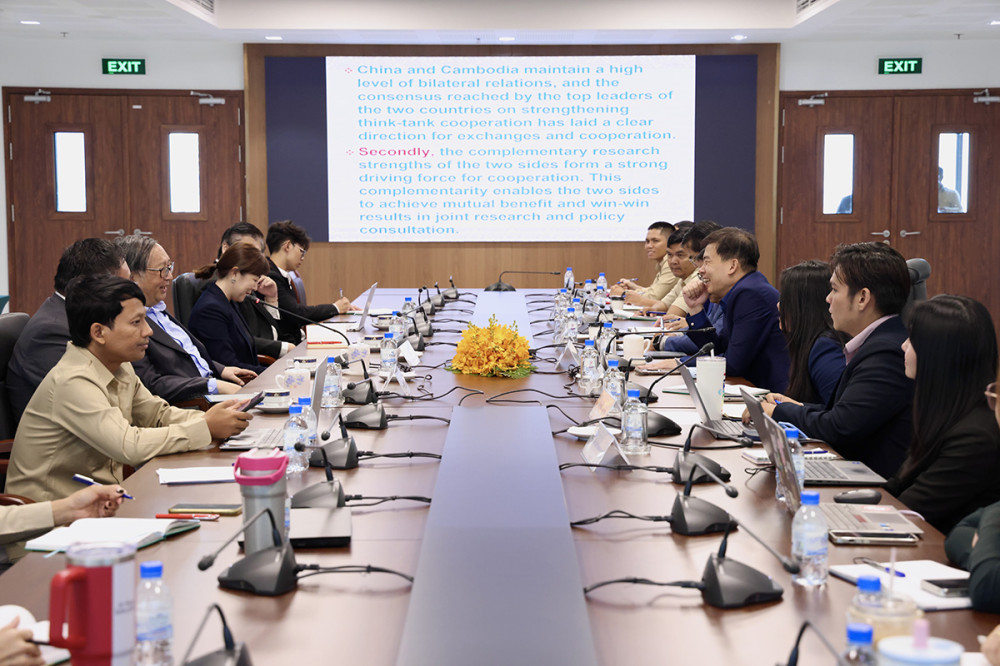
In the account provided of Tuesday’s meeting, Vannarith said exchanges with SIIS could help strengthen Cambodia–China think tank cooperation and policy research collaboration, while Yang encouraged the Cambodian side to consider developing a parliamentary think tank and to broaden partnerships with international counterparts. Those recommendations remain proposals rather than announced policy commitments, and no memorandum of understanding, financing mechanism or implementation timetable was disclosed in the material reviewed.
The episode reflects a broader expansion of Cambodia-China ties beyond trade, infrastructure and party-to-party channels into the institutional research sphere. For Phnom Penh, the immediate significance is less about a single meeting than about the continued construction of advisory and analytical capacity around the legislature. For Beijing-linked institutions, such exchanges also extend China’s intellectual and policy-network presence in Southeast Asia.
Comparisons raised during the meeting about the relative scale of Chinese and Cambodian think tank ecosystems should be treated cautiously. Public sources support the view that China’s think tank landscape is far larger and more institutionalised, but published counts vary depending on methodology and definition, making direct numeric comparisons unsuitable for use without further qualification.
No formal agreement was announced on Tuesday. But the meeting suggests both sides are trying to convert an existing parliamentary relationship into a more structured research partnership, with policy advice, training and institutional design likely to be the next areas to watch.