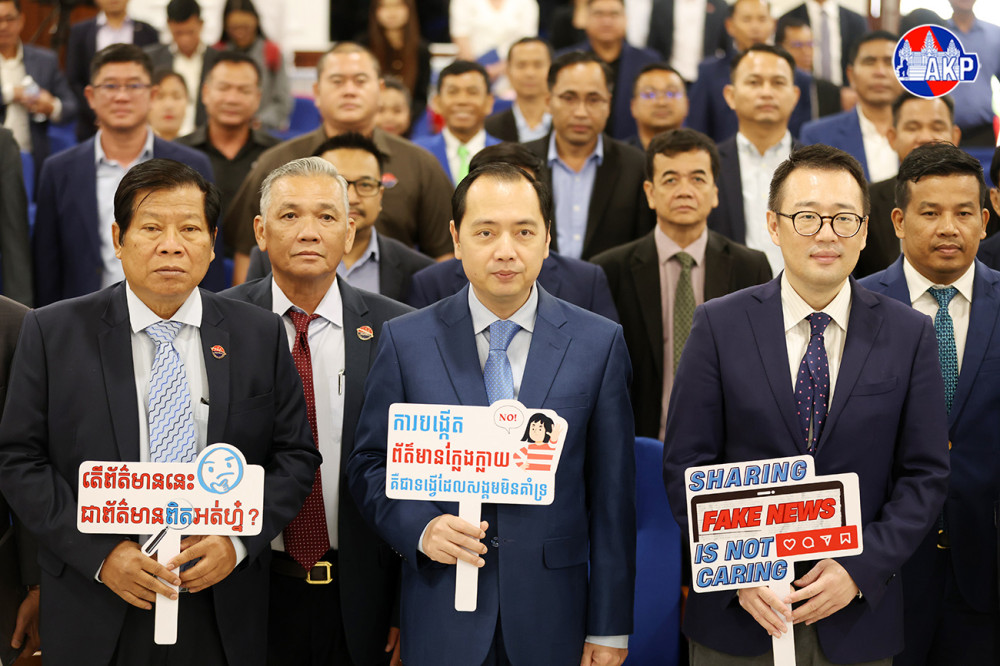
PHNOM PENH, March 12, 2026 – Cambodia has launched the second phase of its “Zero Fake News” campaign, a regional initiative aimed at countering online misinformation, as Phnom Penh expands efforts to manage the rapidly growing digital information space while preparing new legislation that could reshape the country’s media governance framework.
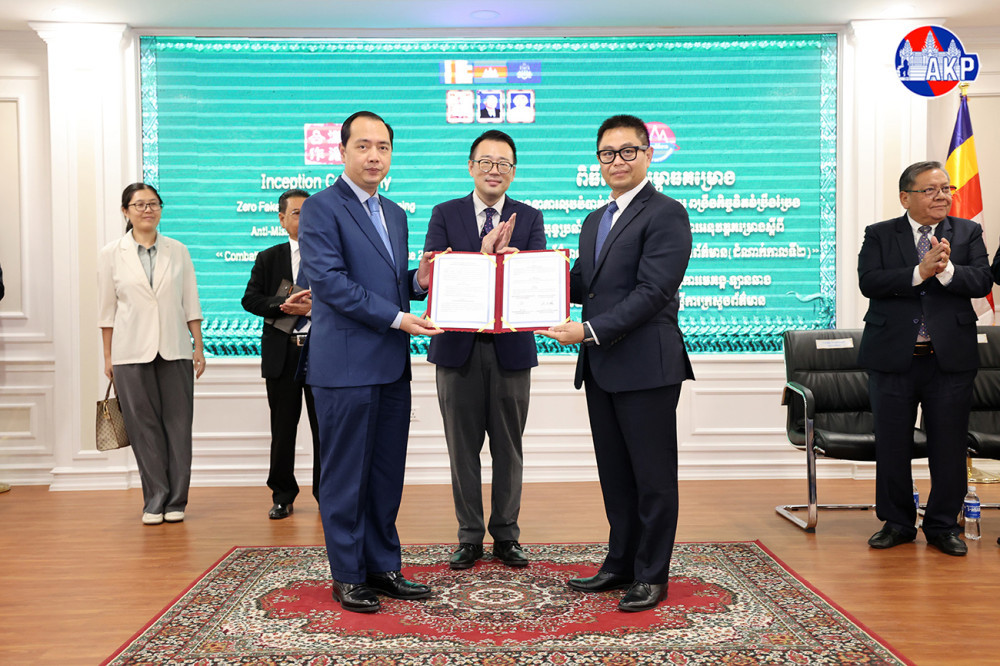
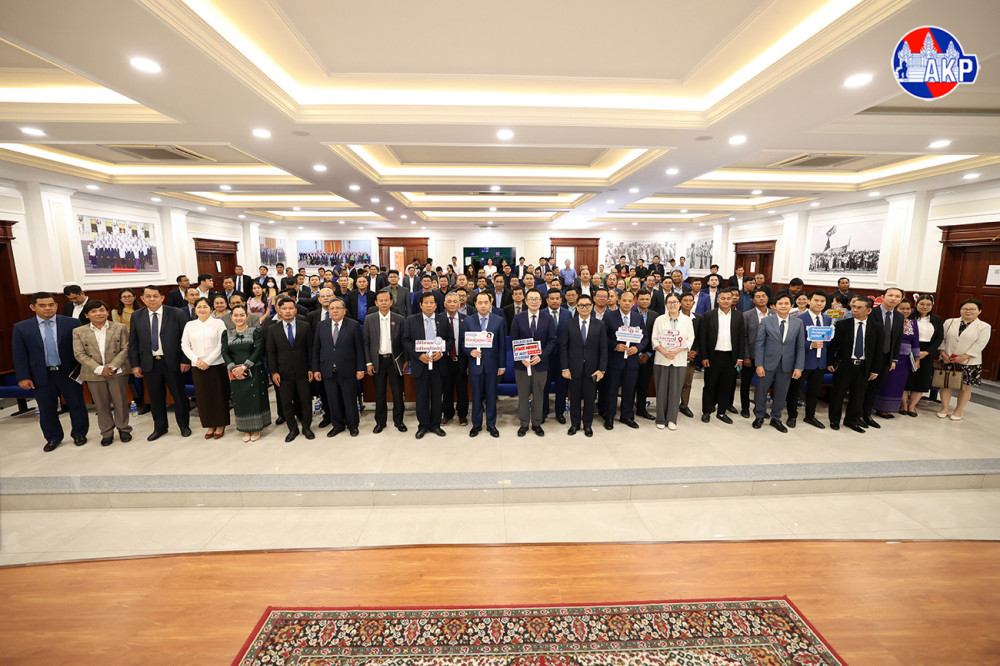
The campaign was inaugurated on March 12 at the Ministry of Information in Phnom Penh and operates under the Lancang–Mekong Cooperation (LMC) Special Fund, a regional program sponsored by China that finances development and cooperation projects across the Greater Mekong Subregion.
Officials say the initiative seeks to strengthen cooperation among regional media institutions, promote verified reporting and improve public awareness of misinformation at a time when digital platforms and artificial-intelligence-generated content have accelerated the spread of false or misleading information.
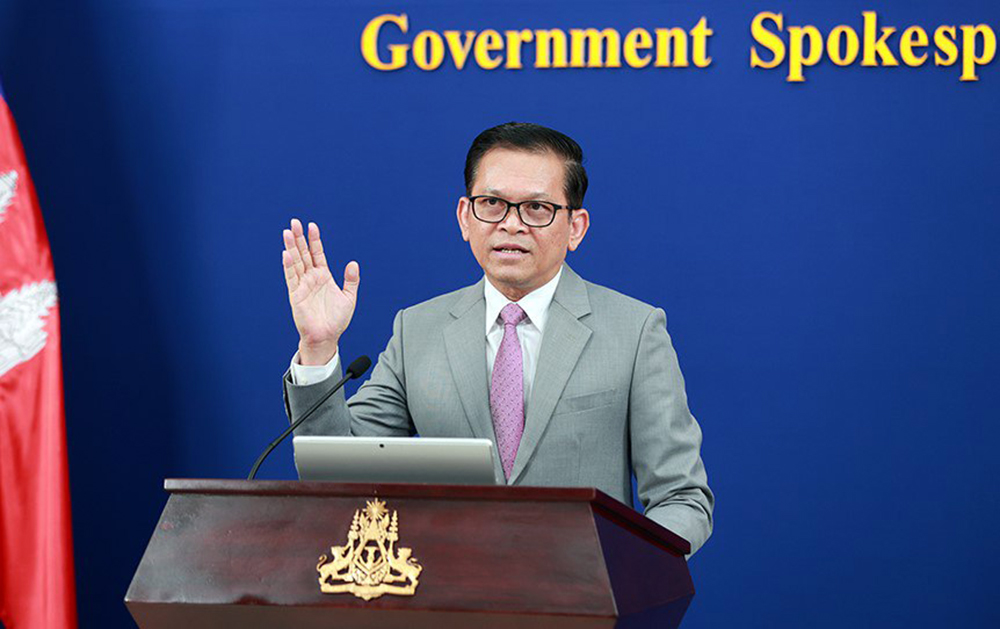
“Through this cross-border campaign we aim to raise awareness of the risks of fake news and strengthen responsible reporting across the region,” Information Minister Neth Pheaktra said at the launch ceremony, describing the effort as part of a broader strategy to protect social stability and regional cooperation.
Chinese Embassy Minister-Counsellor Chen Cong, speaking at the same event, said misinformation had become increasingly prevalent in the era of mobile internet and artificial-intelligence-driven media, adding that some reports sought to distort facts and harm relations between China and Cambodia.
The program involves cooperation among several Mekong countries, including Cambodia, Laos, Vietnam, Myanmar and China, and forms part of broader LMC initiatives intended to strengthen regional connectivity and institutional cooperation.
Expanding policy framework
The campaign emerges as Cambodia develops a broader regulatory architecture aimed at governing the digital information environment.
In November 2025, the Ministry of Information issued Prakas No. 211 on Qualifications and Journalistic Professionalism, which introduced new credentialing requirements for journalists and content producers. The regulation requires reporters to obtain a certificate of good conduct from local authorities, undergo a health check and affirm that they have not previously been subject to complaints regarding their professional activities.
Government officials say the measure is intended to improve professional standards and distinguish accredited journalism from unverified online content or livestream commentary that can spread misleading information.
The country’s Criminal Code Article 425, which addresses the falsification of information, also remains part of the legal framework governing misinformation. The provision criminalizes the dissemination of false information intended to create the impression that harm or damage is occurring, with penalties including fines and short prison terms.
Cambodia is also drafting a new law aimed specifically at combating fake news, officials say, arguing that existing legislation does not adequately address emerging threats such as deepfakes or cross-border disinformation campaigns amplified by artificial intelligence.
Secretary of State Huot Kheang Veng said earlier this year that the proposed law is intended to close regulatory gaps and provide authorities with clearer tools to address online misinformation that could affect public order or state institutions.
The full text of the draft legislation has not yet been publicly released.
Institutional monitoring system
Operationally, Cambodia’s anti-misinformation campaign is coordinated by the Anti-Fake News Committee, an inter-ministerial body involving the Ministry of Information as well as other government agencies responsible for telecommunications and public security.
The committee monitors social-media platforms such as Facebook and TikTok for content considered misleading or unverified and may request clarification or removal of posts deemed harmful or inaccurate.
Officials say the system relies primarily on monitoring, public clarification and platform cooperation, while more serious cases can be referred to judicial authorities if they involve national security concerns or violations of existing law.
According to government data, the committee recorded more than 1,000 cases of alleged misinformation during the first nine months of 2025, with a significant portion linked to online narratives surrounding regional political developments and border issues.
Regional context
Cambodia’s approach reflects a broader trend across Southeast Asia as governments seek to manage the impact of misinformation in rapidly expanding digital environments.
Singapore’s Protection from Online Falsehoods and Manipulation Act (POFMA) allows ministers to issue correction notices requiring online posts to carry official clarifications rather than removing them outright, while Vietnam relies on stricter takedown rules under its cybersecurity framework.
International organizations have increasingly promoted alternative models emphasizing media literacy, transparency and independent fact-checking as tools to strengthen public resilience to misinformation.
UNESCO’s Internet for Trust initiative, for example, advocates multistakeholder governance approaches that combine responsible platform regulation, journalistic standards and public education.
Balancing governance and credibility
Cambodia’s new campaign reflects growing concern among governments worldwide about the impact of misinformation on public debate, economic stability and diplomatic relations.
At the same time, analysts say the credibility of such initiatives often depends on the transparency of enforcement mechanisms and the balance between regulatory oversight and the protection of independent reporting.
Cambodia’s regulatory system currently relies on a mix of administrative measures, digital monitoring and existing criminal law provisions, while the proposed new legislation could further formalize the country’s approach to misinformation governance.
Whether the campaign ultimately strengthens regional information integrity or raises questions about information control will depend largely on how transparently the evolving framework defines misinformation, implements correction mechanisms and allows space for independent journalism as Cambodia’s digital media ecosystem continues to expand.