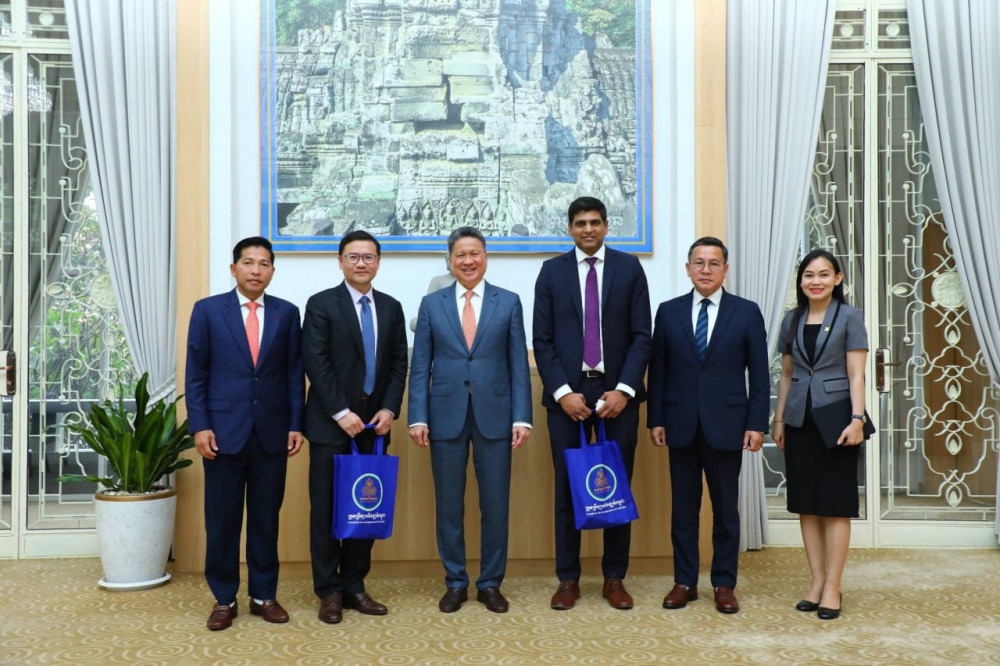
PHNOM PENH, March 7 – Cambodia and the World Bank discussed investment facilitation and private-sector competitiveness in a meeting that Cambodian officials said focused on preparation for implementing the World Trade Organization’s Investment Facilitation for Development framework and on broader efforts to improve the country’s logistics and trade environment.
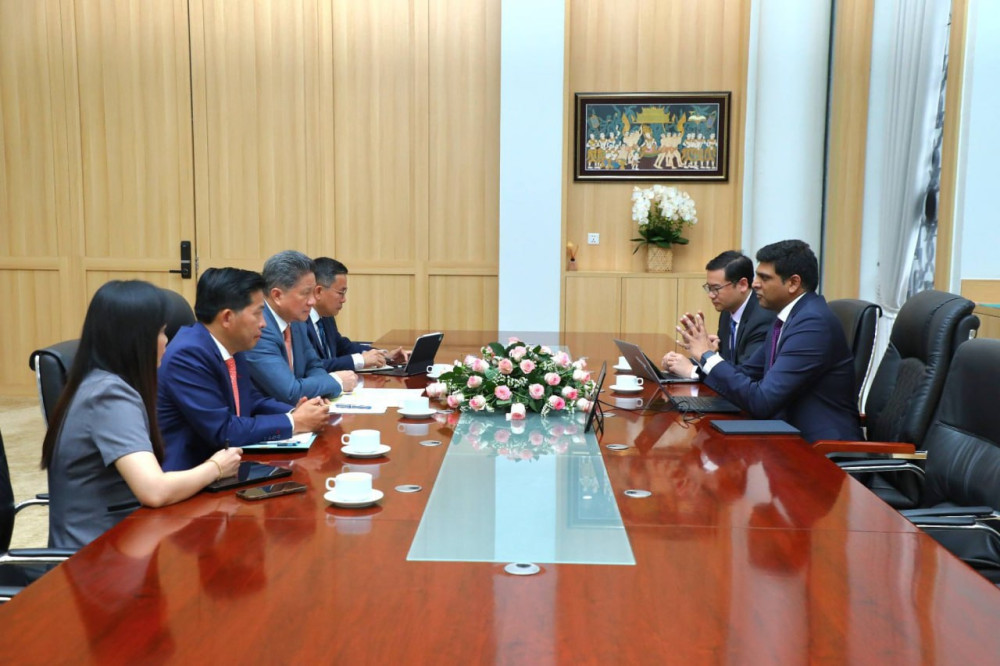
According to the Council for the Development of Cambodia, Deputy Prime Minister Sun Chanthol, first vice chairman of the CDC, met a World Bank delegation led by private sector development specialist Ramprakash Sethuramasubbu and senior program manager Quan Zhao on Friday. The discussion reviewed past cooperation, including work carried out with the International Trade Centre in preparation for implementation of the WTO investment facilitation framework, and examined the outcome of a needs-assessment workshop intended to identify sector-specific requirements for implementation.
Cambodian officials said Sun Chanthol asked for continued World Bank support in strengthening logistics and international trade, while World Bank representatives expressed support for efforts to improve Cambodia’s competitiveness and logistics capacity.
The meeting comes as Cambodia remains engaged in the WTO’s Investment Facilitation for Development process, which is intended to improve transparency, streamline administrative procedures and make investment frameworks more predictable for participating members. WTO material published in June 2025 said 126 members were participating in the agreement process at that time.
The logistics component is material for Cambodia. World Bank documents have described the country’s logistics costs as high by regional standards, at about 26% of GDP, while separate World Bank material said Cambodia ranked 115th out of 138 economies in the 2023 Logistics Performance Index.
Cambodia has already adopted a long-term transport and logistics blueprint. Official and near-official planning material for the Comprehensive Intermodal Transport and Logistics System Master Plan 2023–2033 describes a programme of 174 projects with estimated investment of about $36.6 billion over a decade.
What remains unclear from the public account of the meeting is which sectors Cambodia intends to prioritize first, what specific regulatory changes may follow, and whether the discussions are linked to any future World Bank financing or remain limited to technical assistance.