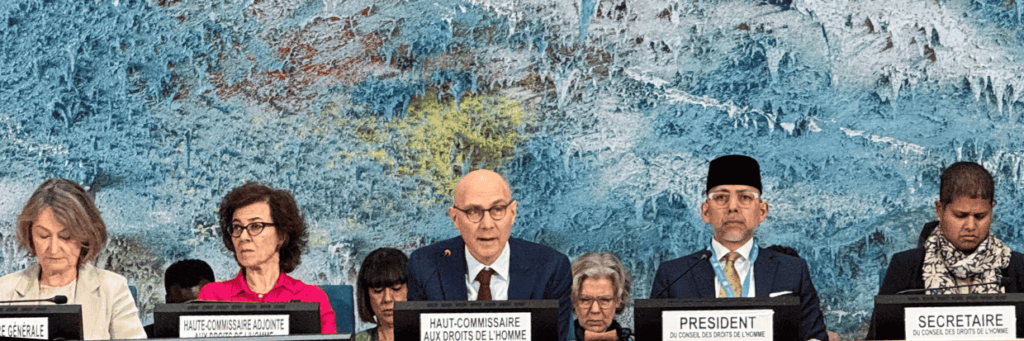
GENEVA/PHNOM PENH, March 3, 2026 – Cambodia told the U.N. Human Rights Council on Tuesday that international law must be placed above the use of force, as it pressed its case over a long-running border dispute with Thailand that has sparked deadly clashes and mass displacement.
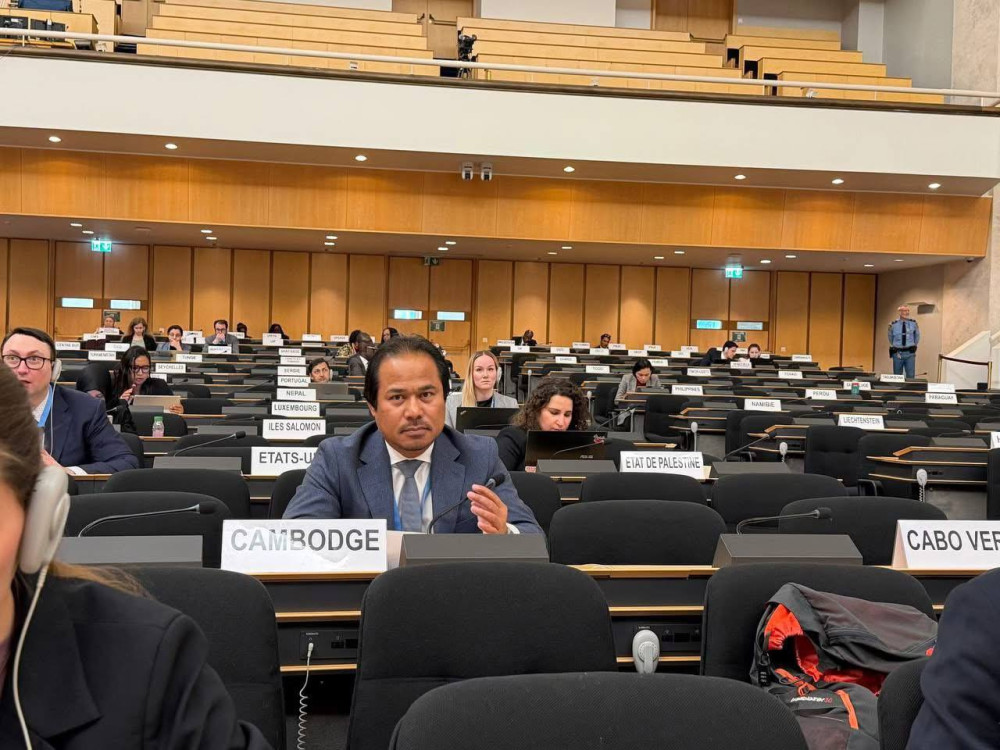
In a statement delivered during the Council’s general debate under Item 2, Cambodia’s permanent representative in Geneva, Ambassador Dara In, called on the Council to “act with resolve” in defending peace, sovereignty and human dignity, according to Cambodia’s state news agency AKP.
Dara In alleged that since mid-May 2025 Thai armed forces have conducted “sustained operations” across several border sectors that caused civilian casualties and destruction of homes and infrastructure, and that “barbed wire and shipping containers” continue to obstruct access to homes and villages, delaying the return of displaced civilians. The claims could not be independently verified.
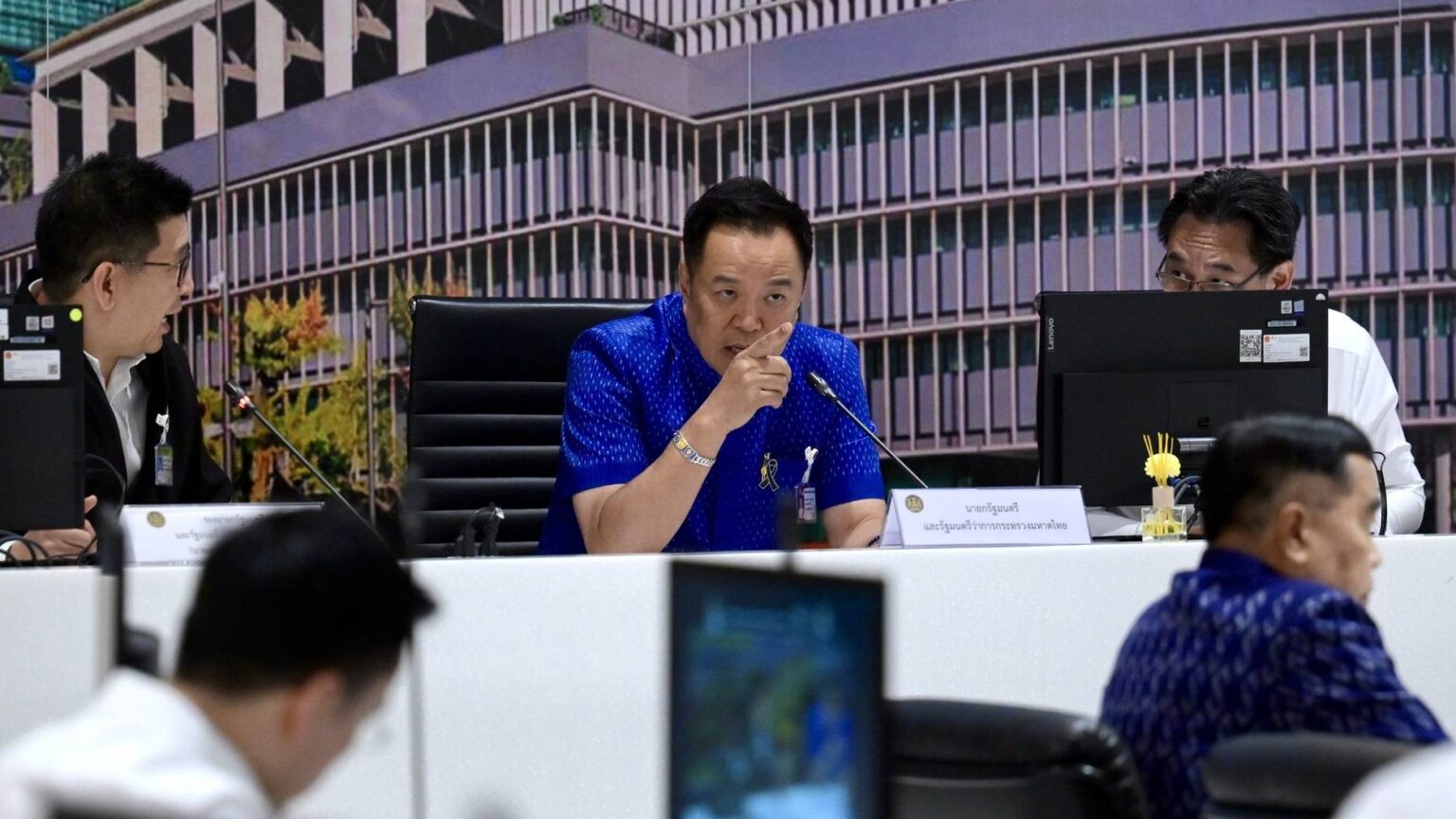
Thailand has previously rejected allegations that it is occupying Cambodian territory and says troop positions reflect ceasefire arrangements pending talks on demarcation. In a statement to the Council’s high-level segment on Feb. 24, Thailand’s foreign minister, Sihasak Phuangketkeow, accused Cambodia of “false accusations and distorted narratives,” and said troops from both sides had agreed to remain where they were at the time of the ceasefire. He also alleged that Thai soldiers continue to face landmines and cross-border fire.
The dispute has increasingly played out in multilateral forums. Thailand’s Feb. 24 statement at the Council emphasized transnational online scam networks as what it called a global human rights crisis enabled by weak rule of law where such networks operate, presenting Thailand as “on the front line of impact” and urging international cooperation to dismantle criminal groups.
The Human Rights Council’s 61st session runs from Feb. 23 to March 31 in Geneva. Thailand is a current Council member, with its term expiring in 2027.
The border conflict intensified in 2025, with Thailand deploying F-16 fighter jets during July fighting, according to Reuters reporting at the time. A second ceasefire took effect on Dec. 27, 2025, after weeks of renewed clashes, also reported by Reuters.
Since the December truce, Cambodian leaders have continued to allege that Thai forces have entrenched positions inside Cambodian territory using shipping containers and barbed wire, preventing some residents from returning home; claims Thailand denies.
U.N. human rights chief Volker Türk has publicly urged steps to build on the ceasefire and pursue human-rights based measures toward peace, referencing both Thailand and Cambodia in recent remarks.