
PHNOM PENH, March 11 – Cambodia and the United Kingdom have launched a three-year partnership on technical and vocational education and training (TVET), as Phnom Penh seeks to strengthen workforce skills and prepare its economy for higher-value industries.
The agreement, signed on March 9 between Cambodia’s Ministry of Labour and Vocational Training and the UK Skills Partnership, aims to expand cooperation on skills development, training systems and workforce readiness, officials said.
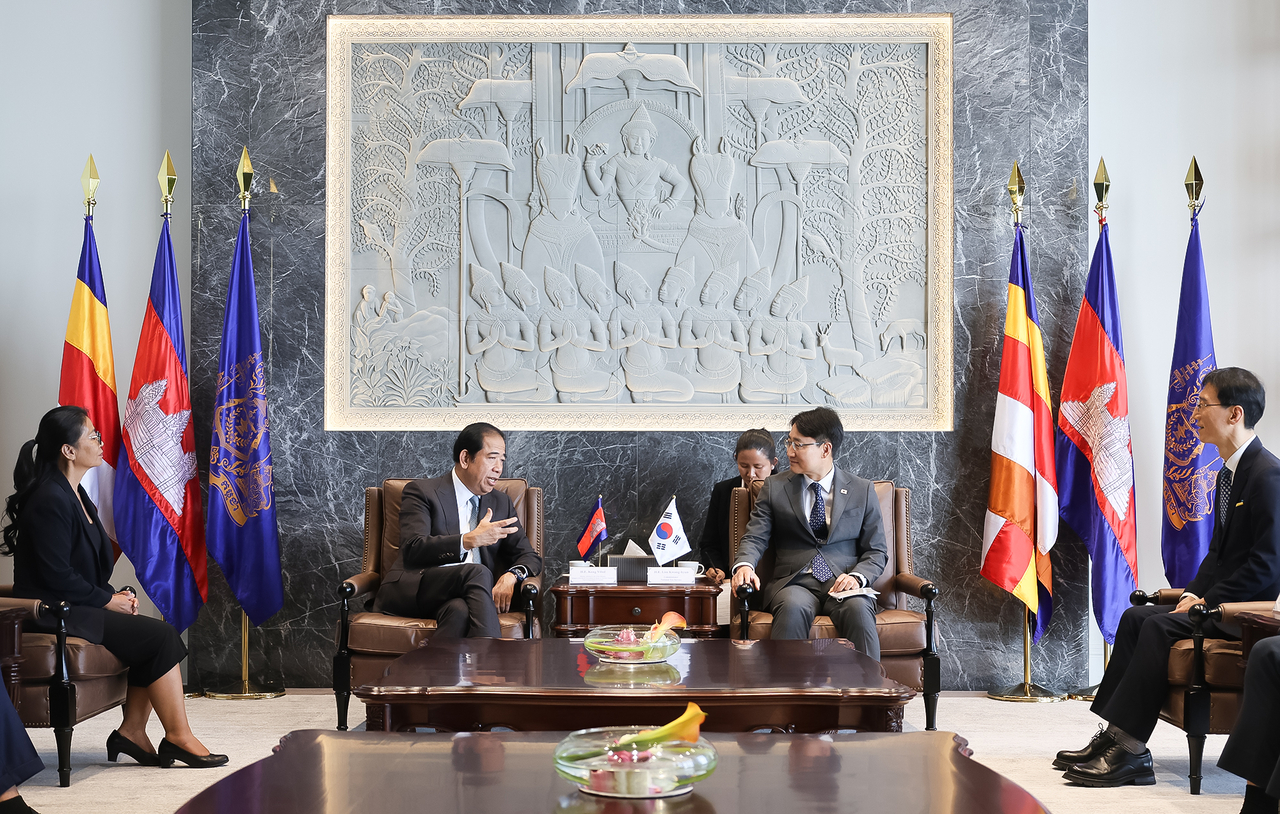
Labour Minister Heng Sour and Jonathan Ledger, a specialist with the UK Skills Partnership who is also linked to the United Kingdom’s Department for Business and Trade, signed the memorandum of understanding in Phnom Penh, with British Ambassador Dominic Williams witnessing the ceremony.
Cambodian officials said the partnership would support efforts to modernise the country’s TVET system and help prepare workers for emerging sectors as the economy gradually shifts beyond labour-intensive manufacturing.
“The MoU also covers mutually beneficial and financially sustainable cooperation,” the Ministry of Labour and Vocational Training said in a summary of the agreement, describing the initiative as part of broader efforts to strengthen human capital and workforce productivity.
The cooperation is expected to involve exchanges of expertise, joint development of training programmes and collaboration between Cambodian institutions and the UK’s vocational training ecosystem.
Officials linked the initiative to Cambodia’s long-term development strategy, which places human capital development at the centre of efforts to upgrade industry and move the country toward higher-income status in the coming decades.
Britain has increasingly sought to expand education and skills partnerships across Southeast Asia as part of wider economic engagement in the region, while Cambodia has been stepping up reforms of its vocational training sector to support economic diversification and prepare for the gradual loss of preferential trade treatment associated with its least-developed-country status.
While the agreement outlines broad areas of cooperation, public summaries of the document do not specify financing arrangements, delivery partners or detailed implementation mechanisms.
Diplomats and education specialists say such frameworks often serve as an initial platform for technical collaboration, policy exchanges and potential training partnerships before more specific programmes or institutional agreements are announced.
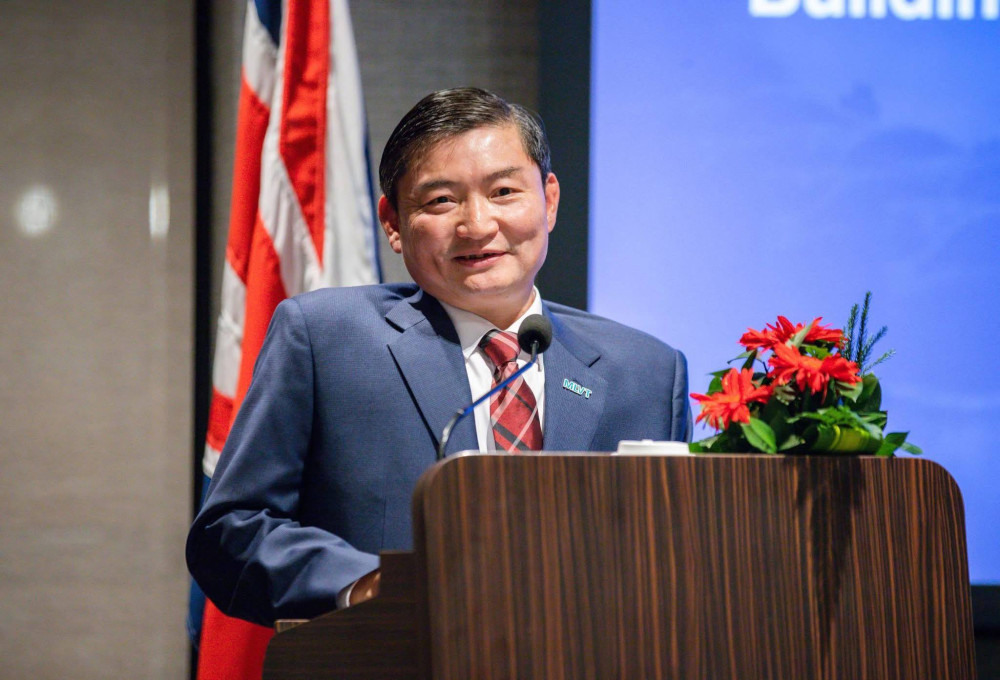
The Cambodia-UK Skills and TVET Forum held in Phnom Penh on March 10 brought together government officials, training institutions and industry representatives to discuss workforce development and future areas of cooperation.