
PHNOM PENH, March 5, 2026 – Cambodia exported 247,822 tonnes of milled rice in the first two months of 2026, generating $142.87 million in revenue, according to figures released by the Cambodia Rice Federation (CRF) and published by state news agency AKP.
The shipments were carried out by 55 exporting companies supplying 51 markets worldwide, reflecting Cambodia’s continued diversification of rice destinations across Asia, Europe, Africa and the Middle East.
By region, ASEAN member states received the largest share of exports by volume, importing 112,142 tonnes worth $41.89 million. Exports to European markets reached 64,134 tonnes valued at $46.22 million, while China imported 51,384 tonnes worth $36.31 million. A further 20,162 tonnes valued at $18.45 million were shipped to other markets, including countries in Africa and the Middle East.
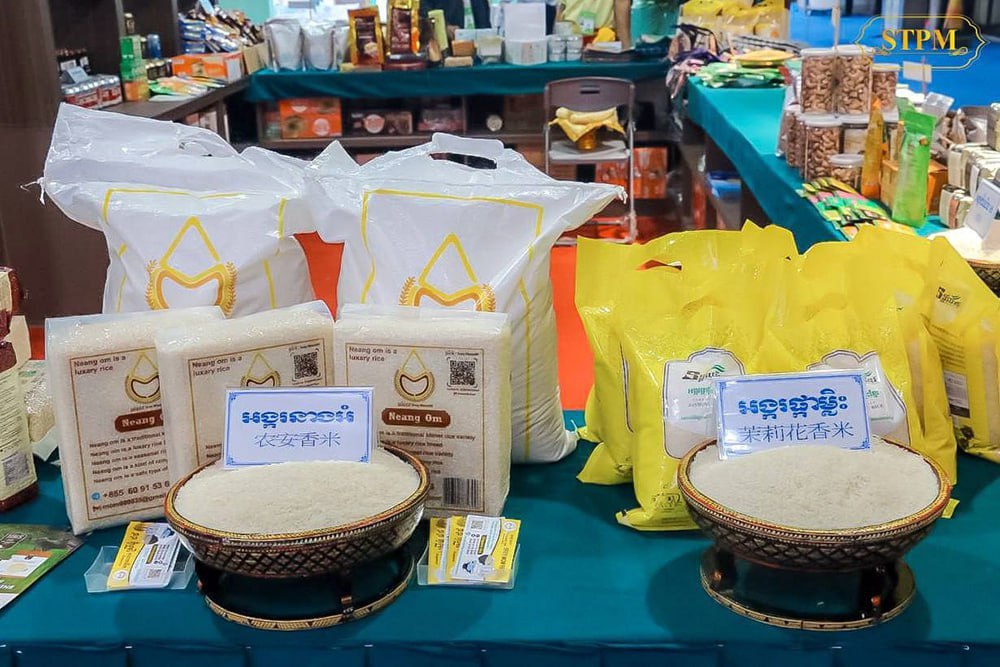
Fragrant rice remained Cambodia’s dominant export variety, accounting for 59.16% of total milled rice shipments, followed by broken rice at 27.68%. Other varieties included organic rice at 0.74%, parboiled rice at 1.18%, white rice at 0.06%, and other types at 11.18%.
In addition to milled rice exports, Cambodia shipped 873,880 tonnes of paddy rice during the two-month period, generating an estimated $196.62 million in revenue, according to the CRF report.
The early-year data indicates a notable expansion in Cambodia’s milled rice exports compared with the same period in previous years, suggesting continued progress in efforts to increase domestic rice processing and export higher-value products rather than relying primarily on the export of raw paddy.
At the same time, the distribution of export destinations highlights differences in market dynamics. Based on the reported figures, exports to Europe and China generated significantly higher unit values per tonne than shipments to ASEAN markets, indicating that premium varieties such as fragrant rice continue to command stronger prices in developed markets.
Regional ASEAN markets, by contrast, absorbed the largest share of shipments by volume but at lower average prices, reflecting their role as high-volume regional trading and consumption markets within Southeast Asia’s food supply system.
The data also shows that paddy exports remain substantial, underscoring the continued importance of cross-border agricultural trade networks within the Mekong region, even as Cambodia expands its domestic milling capacity and export infrastructure.
Rice remains one of Cambodia’s most important agricultural exports and a key source of income for rural communities. The combined revenue from milled rice and paddy exports in the first two months of 2026 totals more than $339 million, highlighting the sector’s continued contribution to the country’s agricultural economy and export earnings.
Looking ahead, Cambodia’s rice sector is expected to remain closely tied to global price movements and regional demand trends. Maintaining access to premium markets such as Europe and China while strengthening domestic processing capacity is likely to remain central to the country’s strategy for sustaining growth in its rice export industry.