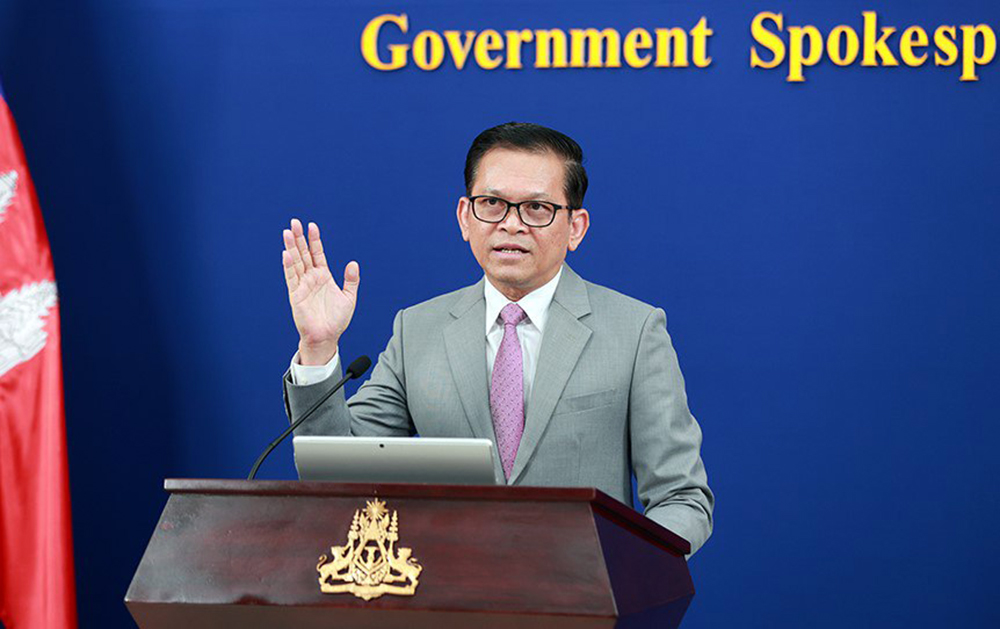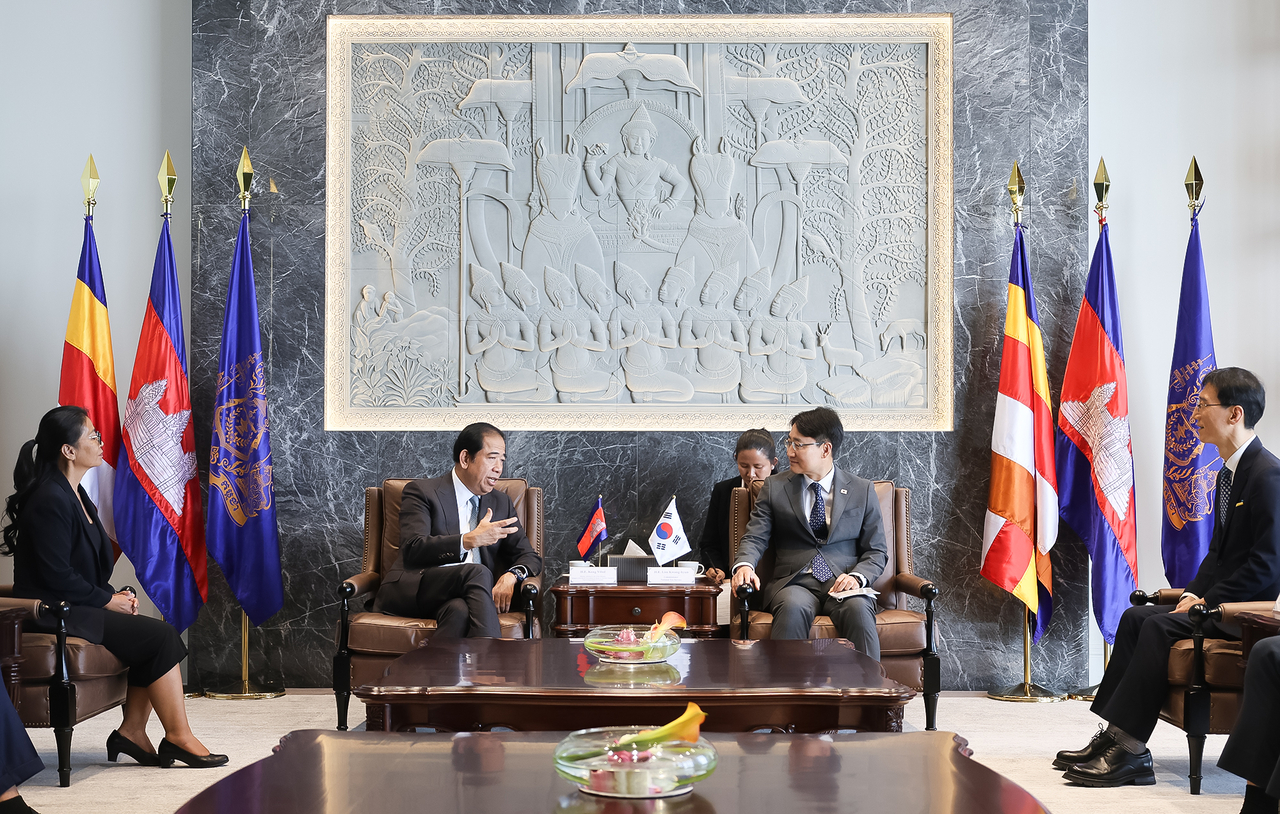
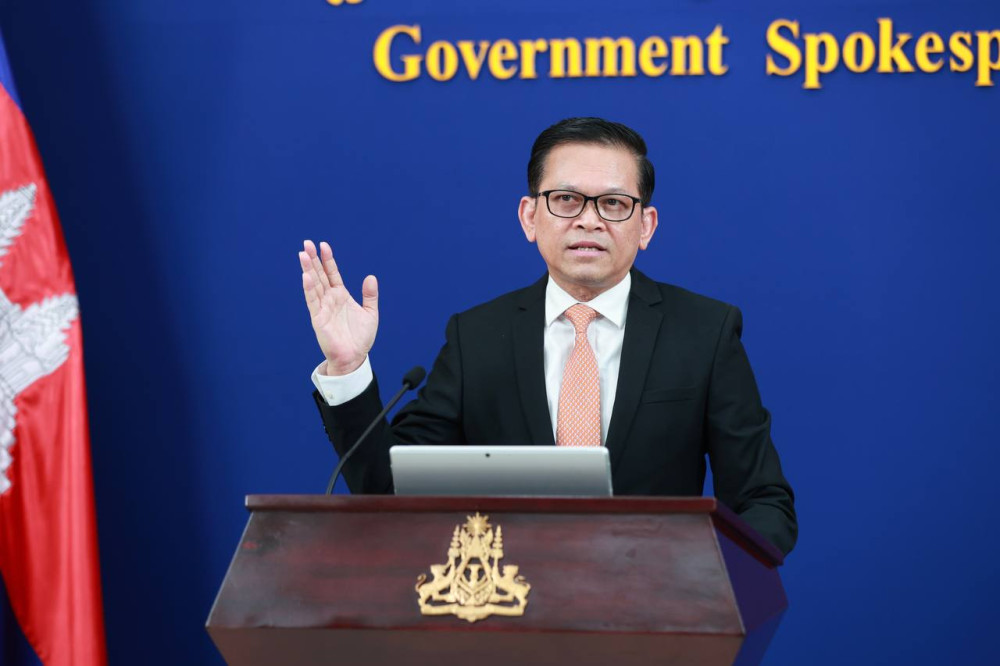
PHNOM PENH, March 9, 2026 – Cambodia said on Monday it would continue diplomatic and legal efforts to defend its sovereignty and protect civilians affected by tensions along the border with Thailand, while reaffirming its commitment to a peaceful resolution in line with international law.
Government spokesperson Pen Bona said safeguarding territorial integrity and citizens remained Phnom Penh’s top priority, as Cambodia intensified engagement at home and abroad over the aftermath of the late-2025 border fighting.
The dispute remains rooted in heavy clashes that led Cambodia and Thailand to agree to a ceasefire on December 27, 2025. The joint statement said the truce would take effect at midnight local time and that civilians in affected border areas could return once conditions stabilised.
Cambodian officials say obstacles remain. Phnom Penh has argued that some civilians still cannot return because of troop positions, physical barriers and damage in areas it considers Cambodian territory.
In January, Reuters reported Cambodian allegations that Thai forces remained in certain civilian areas and that barbed wire and shipping containers were hindering returns.
Thailand has rejected those allegations. Its foreign ministry said earlier this year that Thai troop deployments and security measures were consistent with the December ceasefire understanding and did not amount to occupation or annexation.
Cambodia has also raised the issue in multilateral forums. The 61st session of the United Nations Human Rights Council, which opened in Geneva on February 23, has provided a platform for Cambodian officials to present the humanitarian and legal dimensions of the border tensions.
Independent humanitarian reporting has supported the scale of the displacement crisis, even as return rates improved after the ceasefire. UN-linked reporting and aid assessments placed the peak number of displaced people on the Cambodian side at roughly 640,000 to 649,000, with later updates showing substantial returns but continued displacement, damaged homes and unexploded ordnance risks in some border areas.
Cambodia says it remains committed to the ceasefire and to resolving the dispute through peaceful mechanisms agreed by both sides. Its position continues to rest on colonial-era Franco-Siamese boundary instruments, related maps and demarcation records, as well as the principle that territorial disputes should be resolved through international law rather than force.
The dispute remains contested, but Cambodia’s public case is increasingly framed around ceasefire implementation, safe civilian return and adherence to recognised legal and diplomatic processes.