Cambodia lodged a formal diplomatic protest on March 13, 2026 and intensified regional diplomacy over alleged Thai construction and military reinforcement along the Cambodia–Thailand border, framing the dispute within international treaties and rulings by the International Court of Justice (ICJ).
Phnom Penh, March 15, 2026 – Cambodian officials said the protest followed reports that Thai forces conducted construction activities in areas Phnom Penh considers illegally occupied along parts of Banteay Meanchey, Preah Vihear, and Oddar Meanchey provinces.
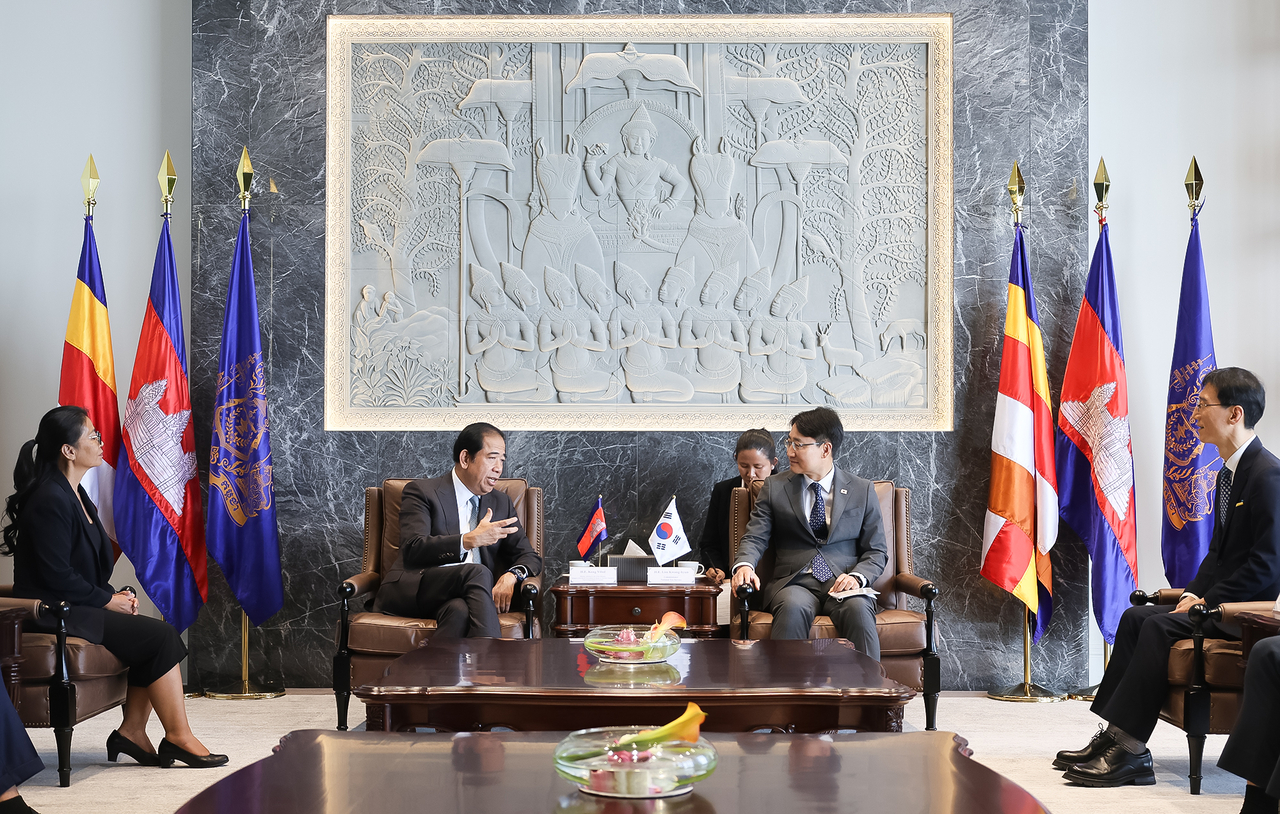
Foreign Minister Prak Sokhonn has raised the issue during diplomatic engagements in Singapore, New Zealand, and Australia, where he discussed border developments and regional stability with regional counterparts, according to Cambodian officials.
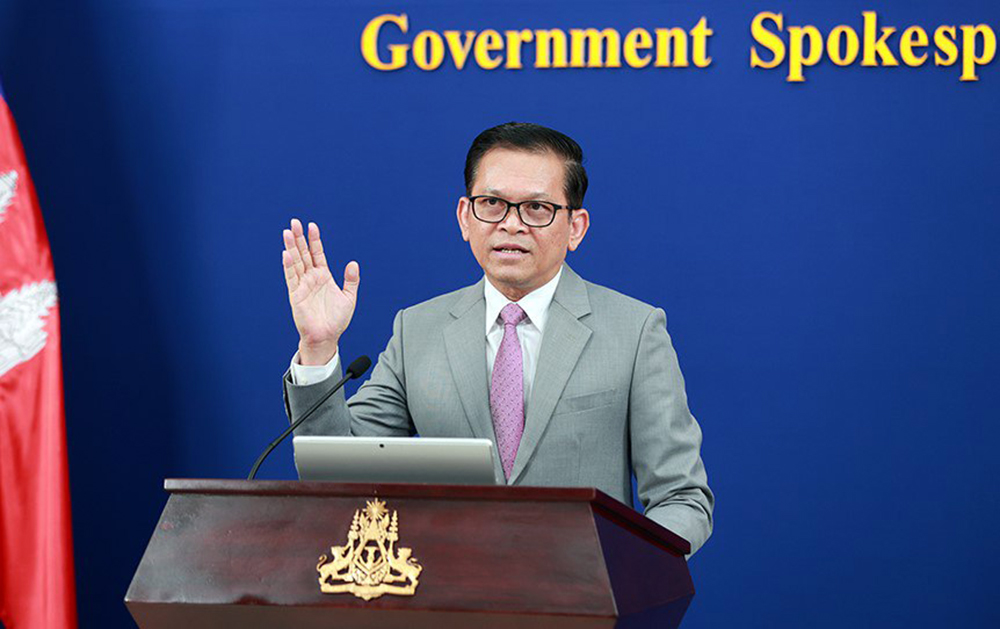
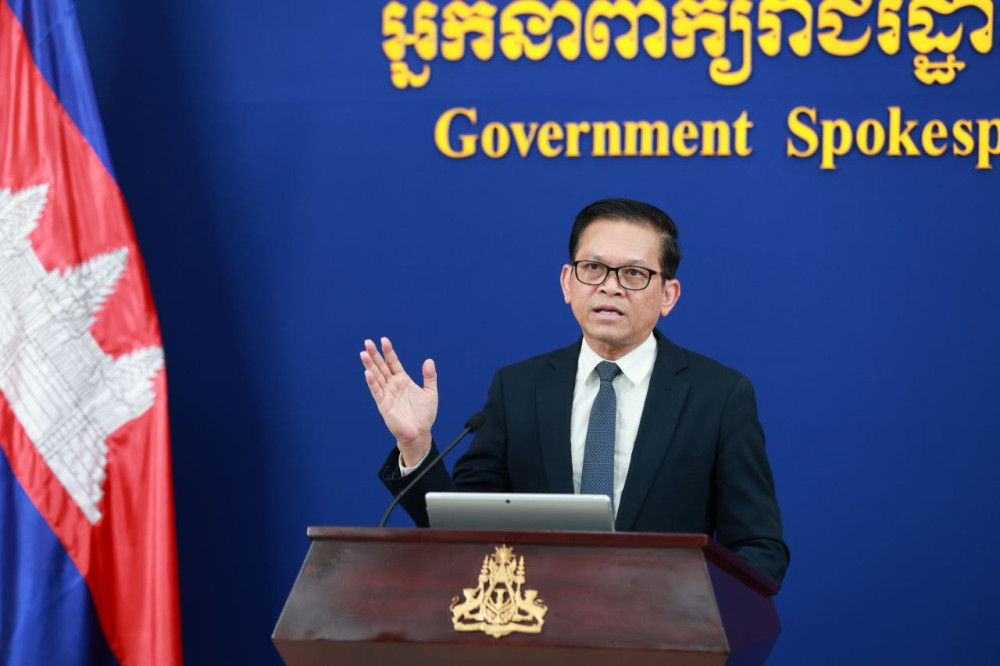
Government spokesman Pen Bona said Cambodia is pursuing diplomatic, legal, and political measures under international law to protect its territorial integrity.
Cambodia’s position rests on the Franco–Siamese Convention of 1904 and the Franco–Siamese Treaty of 1907, which established the legal framework defining the frontier between Siam and French Indochina.
The agreements created a Mixed Commission for border demarcation and confirmed the Dângrêk Mountains watershed as the boundary separating the two territories in the Preah Vihear region.
The commission produced 11 official maps in 1907, including the Annex I Map, which places the Temple of Preah Vihear inside Cambodian territory.
Cambodian officials say these maps form the primary documentary basis for the boundary line in the disputed sector.
The International Court of Justice (ICJ) ruled on June 15, 1962 that the Temple of Preah Vihear lies within Cambodian sovereignty, ordering Thailand to withdraw its forces from the area.
On Nov. 11, 2013, the ICJ clarified that the 1962 ruling applies to the entire promontory of Preah Vihear, confirming the authority of the Annex I map line in that sector.
Cambodian officials cite the rulings as the central legal reference for the Preah Vihear boundary area.
The current tensions unfold under a Dec. 27, 2025 joint statement between Cambodia and Thailand establishing a ceasefire framework.
The agreement includes an immediate ceasefire, a freeze on troop movements toward opposing positions, a ban on constructing new military fortifications beyond each side’s territory, and monitoring by an ASEAN Observer Team (AOT).
Cambodian officials say Thai construction activities violate both the ceasefire commitments and the 2000 Memorandum of Understanding on land boundary surveying and demarcation, which restricts actions that alter conditions along the frontier before demarcation is finalized.
Independent verification of the reported construction activities has not been publicly confirmed.
Thailand denies allegations of illegal occupation and has accused Cambodian forces of violating the same ceasefire framework.
Thai authorities have also alleged that Cambodian forces carried out a grenade attack in Si Sa Ket province in February 2026.
Both governments accuse the other of violating the Dec. 27 ceasefire agreement, and independent confirmation of which side initiated reported incidents remains unavailable.
Some border segments outside the Preah Vihear sector remain undemarcated.
Cambodia’s legal argument also relies on the principle of Uti Possidetis Juris, which holds that newly independent states inherit administrative boundaries established under colonial rule.
The International Court of Justice affirmed this principle in the 1986 Burkina Faso v. Mali case, treating colonial boundary documents as the primary legal reference in territorial disputes.
Cambodian officials say the principle supports resolving the Cambodia–Thailand boundary through existing treaties, official maps, and international court decisions.
Cambodian authorities say the government will continue addressing the border dispute through diplomatic engagement, legal mechanisms, and regional cooperation, while urging respect for international law, bilateral agreements, and ICJ rulings governing the frontier.