Asian governments moved to reassure markets and citizens over fuel availability after Iran’s Revolutionary Guards declared the Strait of Hormuz “closed” and warned they would attack ships attempting to cross the strategic waterway, according to state-media reports and international coverage.
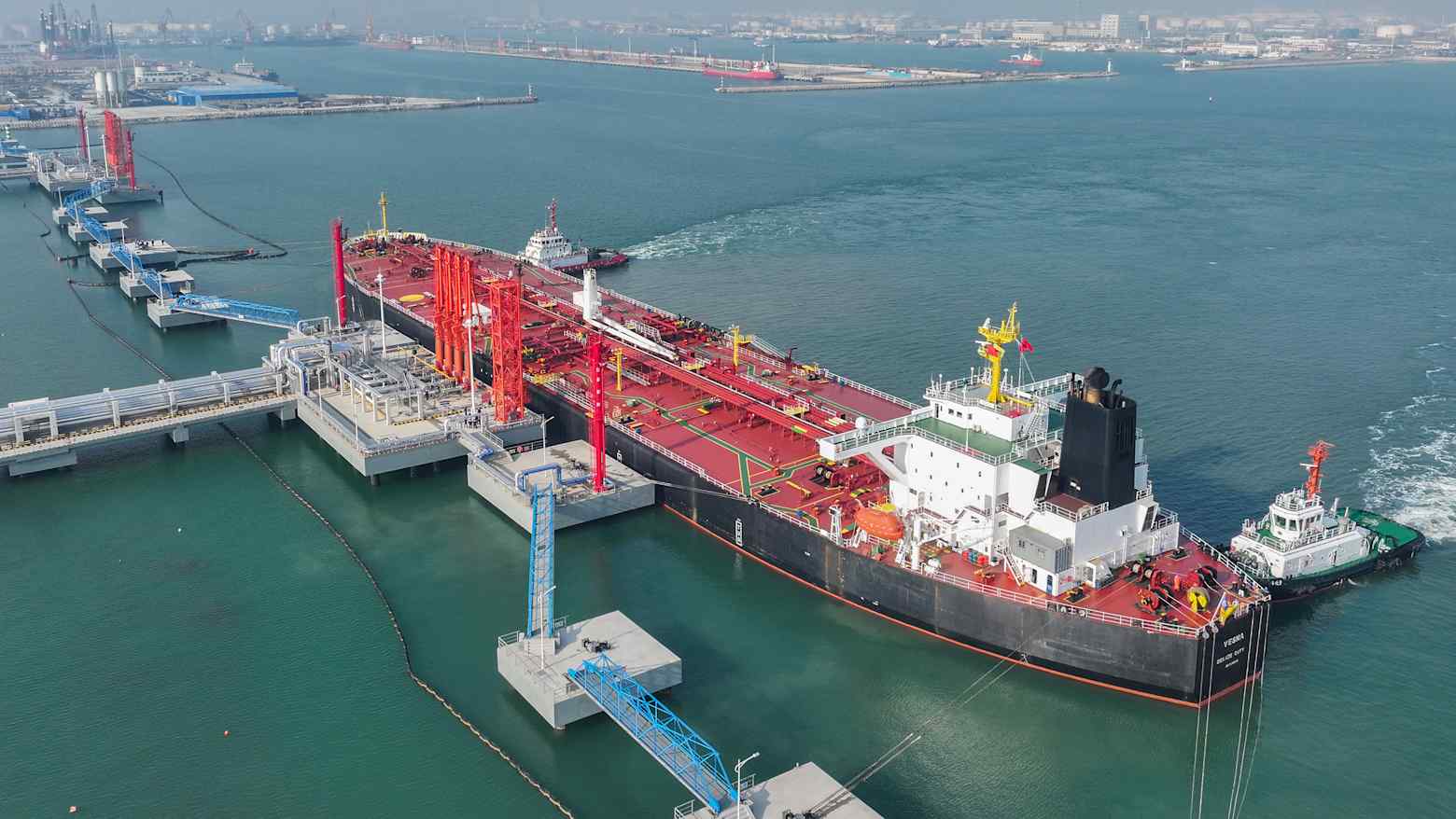
The strait is a critical chokepoint for global energy flows. The U.S. Energy Information Administration estimates oil flows through Hormuz averaged about 20 million barrels per day in 2024 roughly one-fifth of global petroleum liquids consumption with early 2025 flows broadly similar.
Oil prices extended gains on Tuesday as investors priced higher disruption risk. Brent crude rose to around $79 a barrel, Reuters reported, after a three-day rally linked to the widening U.S.-Israel-Iran confrontation and threats to shipping and regional energy infrastructure.
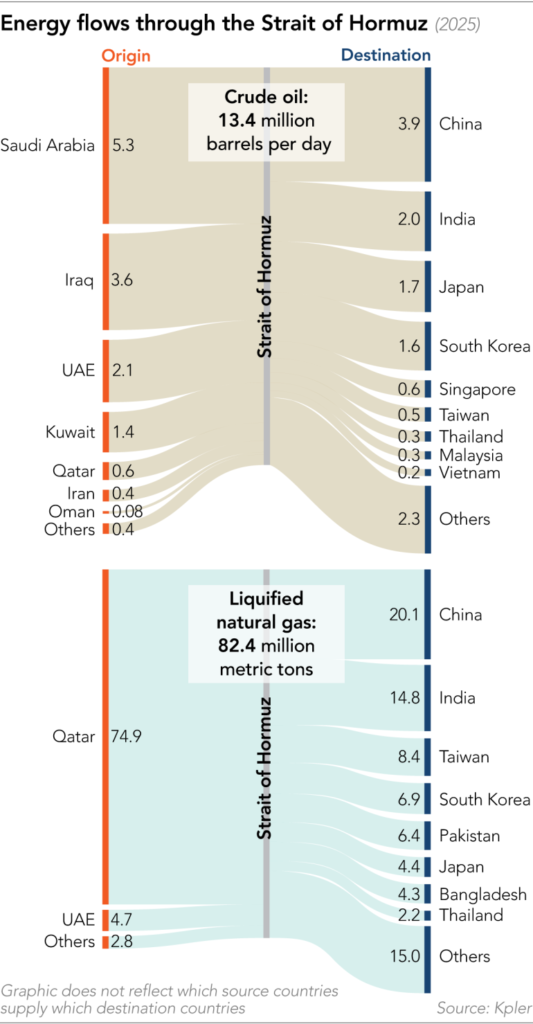
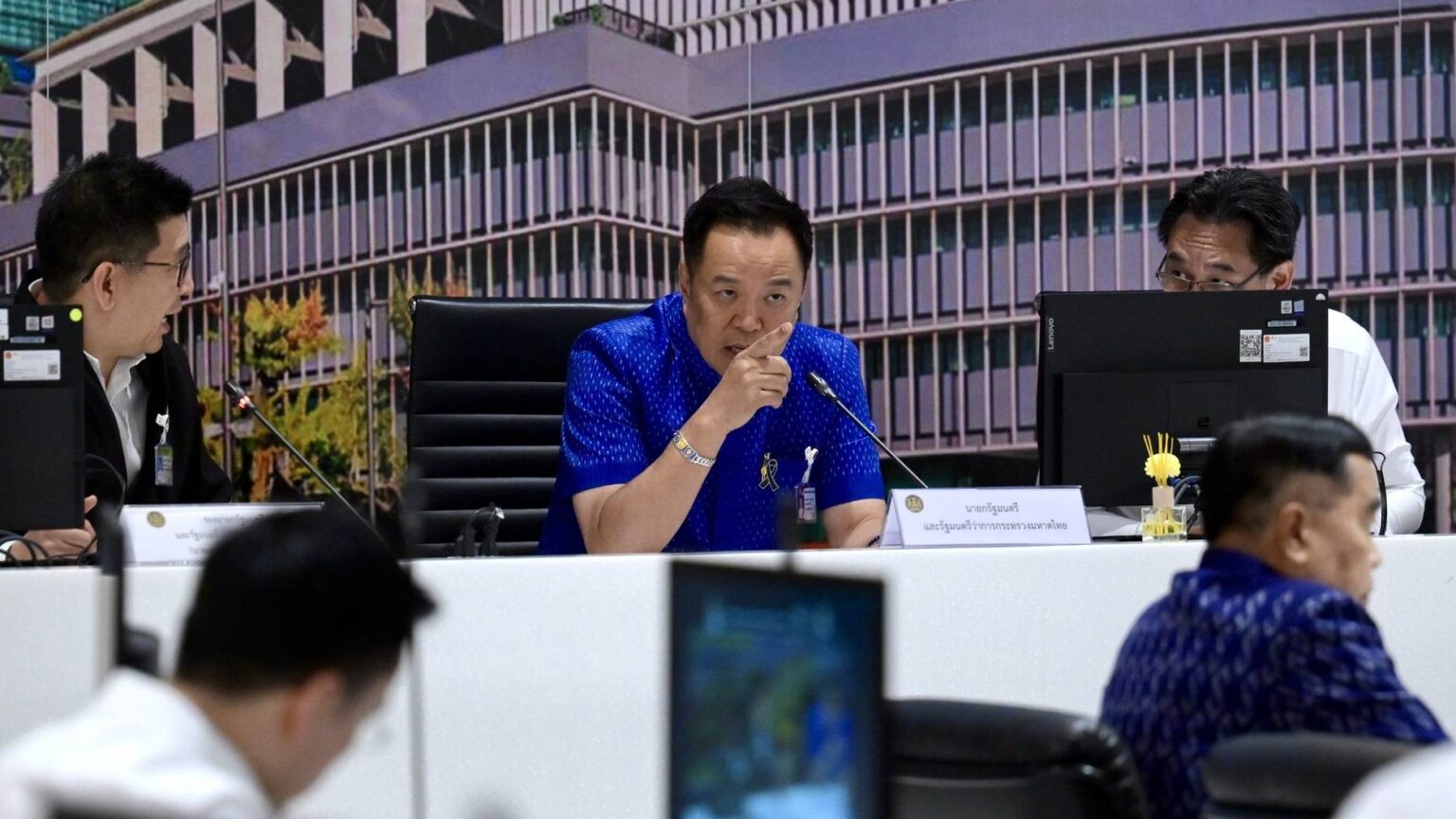
Japan’s Chief Cabinet Secretary Minoru Kihara said Japan holds oil stockpiles sufficient for about 254 days and that utilities have around three weeks of LNG inventory, with no immediate plan to release strategic reserves. Japan’s trade minister said Qatar’s halt in LNG production would not immediately affect Japan’s energy supply, citing Qatar as a small share of Japan’s total LNG imports and pointing to spot-market and inter-utility options if needed.
Across the region, the central risk is not only physical scarcity but also a rapid rise in the cost and feasibility of moving cargoes. Analysts have flagged that insurance withdrawals, higher freight rates, and security concerns can constrict supply even without a long-duration, fully enforced blockade.
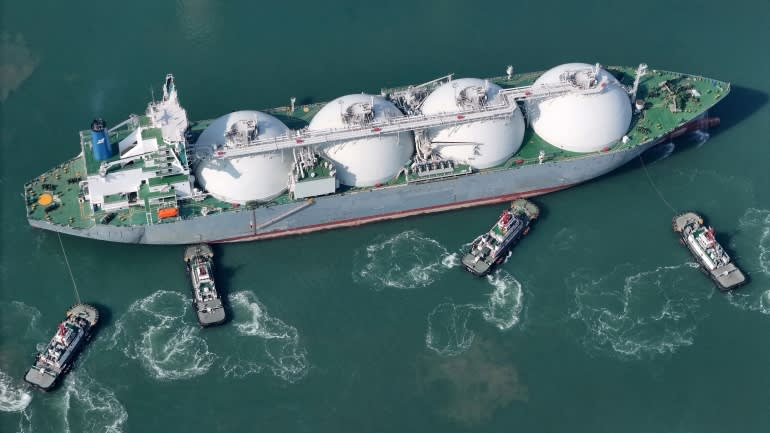
Separately, Reuters reported Qatar halted LNG production after attacks as Gulf-wide instability triggered precautionary shutdowns across parts of the region’s oil and gas system an acute concern for LNG-import dependent Asian economies given Qatar’s outsized role in global seaborne gas.
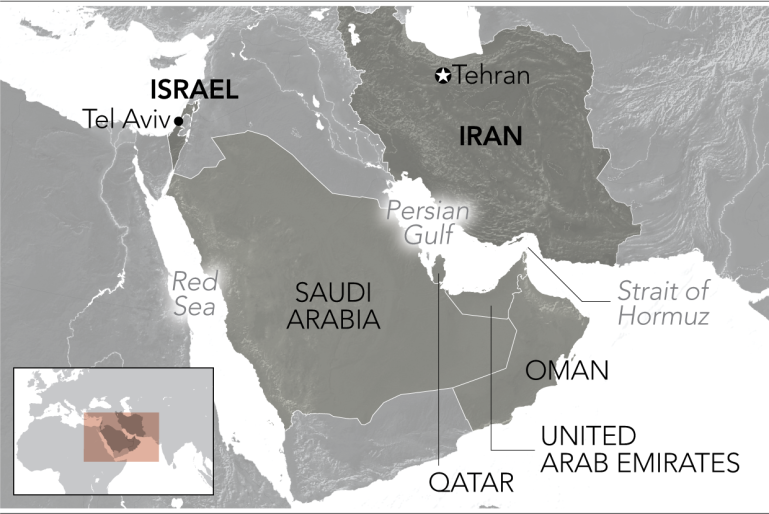
Iranian Revolutionary Guards also said a fuel tanker was set ablaze after a drone strike in the strait, a claim that could not be fully verified independently at the time; vessel-tracking data showed the named ship in the area.